
Beautiful Stranger
1954
No user ratings available yet
Representation score: 1.5 out of 10
Representation Score
Fair
1949
ApprovedDirector
Max Ophüls
Runtime
88 minutes
Average Rating
No ratings yetNew Showbiz Analysis
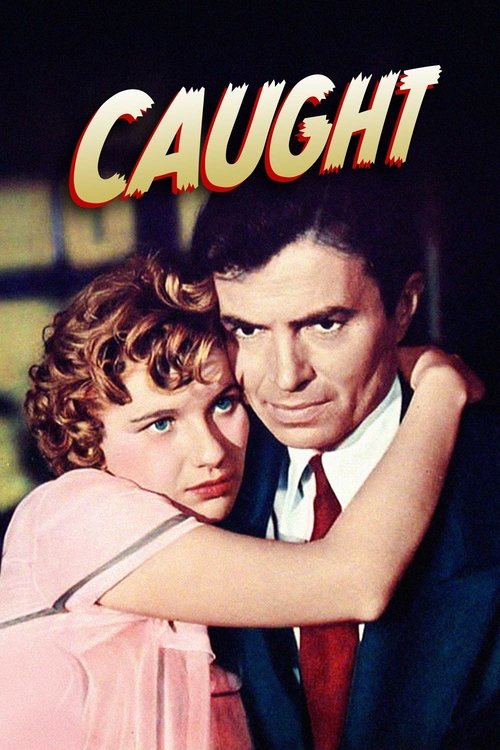
Max Ophüls’ *Caught* is a sophisticated critique of mid-century social structures. While the film lacks demographic diversity, its narrative structure is progressive for its time, particularly in its critique of patriarchal authority and its emphasis on women's ability to drive the story. The film centers the protagonist's emotional autonomy against rigid social institutions. By portraying the wealthy social order as a source of entrapment, it offers a nuanced study of individual choice versus systemic pressure. However, the film remains limited by the casting norms of 1949. It lacks racial diversity and LGBTQ+ representation, focusing instead on a homogeneous, upper-middle-class European setting.
Category Breakdown
The film adheres to traditional assumptions that everyone is straight or cisgender. There are no clear depictions of non-straight or non-cisgender identities or same-sex relationships.
Leonora challenges traditional gender roles by driving the plot through her pursuit of emotional truth. The film portrays the male lead as an obsessive, manic figure rather than a stable patriarch, breaking away from conventional standards.
Reflecting 1949 casting norms, the film features a largely homogeneous cast focused on the European upper-middle class without significant racial diversity.
The narrative critiques Western institutions by prioritizing emotional authenticity over formal etiquette. It frames the protagonist's deviations from social norms as a search for personal freedom.
Psychological instability is explored through Ohlrig to establish his role as an antagonist. Characters with disabilities lack independent ability to act outside of the central conflict.
Present on Screen
Limited or Absent
Official Synopsis
Wide-eyed and poor young Leonora weds an obsessive millionaire named Ohlrig, but the marriage is loveless. Even worse, Ohlrig seems to have manic, violent tendencies. Eventually, young Leonora escapes her unhappy life and begins working with New York City doctor Larry Quinada, who she soon falls for. Unfortunately, Ohlrig refuses to grant his wife a divorce, and things get even darker for Leonora when she realizes she's pregnant with his child.
1954
1946
1991
1952

1951

1945
1949
1954
No reviews yet. Be the first to share your thoughts on this movie!
Use the rating form above to leave a star rating and optional review.