
The Erotic Twin
1980
No user ratings available yet
Representation score: 4.3 out of 10
Representation Score
Fair
1962
Director
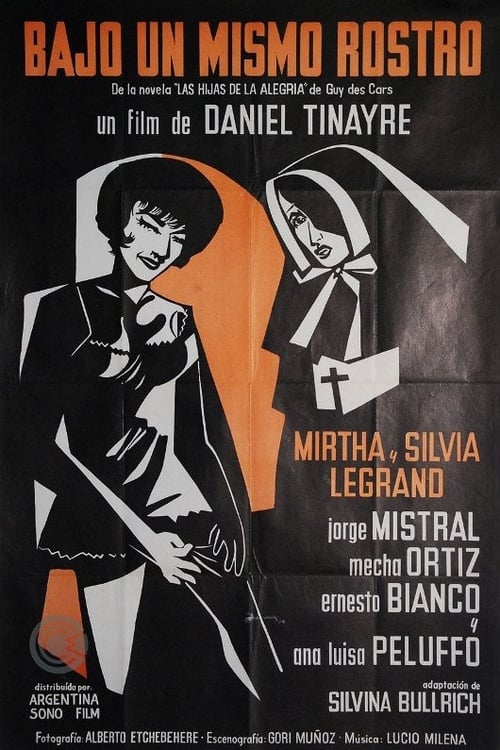
Daniel Tinayre
Runtime
125 minutes
Average Rating
No ratings yetNew Showbiz Analysis
Daniel Tinayre’s drama uses the device of twin sisters to explore fragmented identities and the spectrum of human experience. By focusing on the dichotomy between emotional and physical intimacy, the film moves away from singular depictions of femininity common in the early 1960s. While the narrative prioritizes female perspectives and psychological complexity, it lacks verifiable evidence regarding the overlapping aspects of identity. The focus remains largely on the internal moralities of the protagonists rather than broader systemic representation. Ultimately, the film serves as a character study of desire, though it provides little insight into racial or LGBTQ+ diversity within its social landscape.
Category Breakdown
The film hints at non-traditional romantic dynamics but does not explicitly confirm any queer identities or significant roles for LGBTQ+ individuals.
The story focuses entirely on female protagonists, providing a platform for female-centric storytelling. It portrays a complex view of womanhood through the dualistic depiction of desire.
There is no evidence of a diverse or non-Anglo-centric cast. The ensemble follows typical regional casting for 1962 Argentina.
The tension between profound and carnal love suggests a degree of moral relativism, challenging rigid social frameworks around human connections.
There is no indication of characters with visible or invisible disabilities.
Present on Screen
Limited or Absent
Official Synopsis
Two twin sisters have completely different ways of loving: to one love is profound, to the other is carnal.
1980
1987
1992
2019
1951

1972
1969
1965
No reviews yet. Be the first to share your thoughts on this movie!
Use the rating form above to leave a star rating and optional review.