The End
2007
No user ratings available yet
Diversity score: 4.6 out of 10
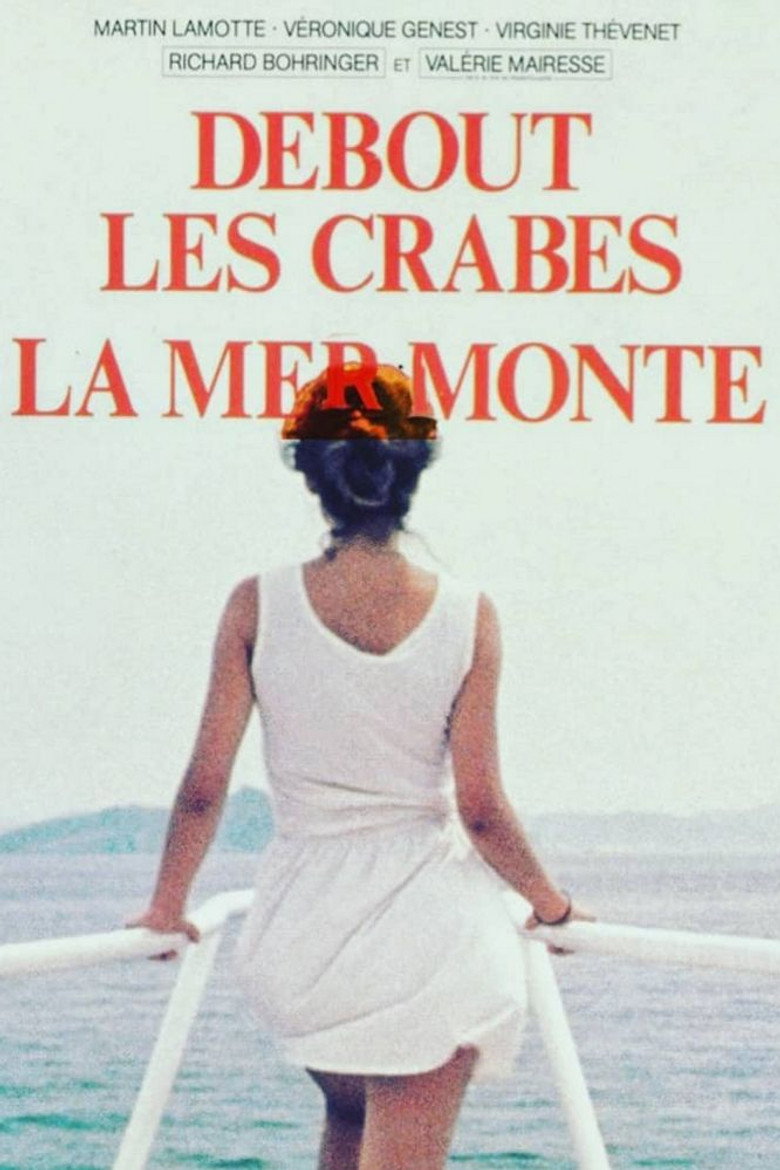
1983
Director
Jean-Jacques Grand-Jouan
Runtime
85 minutes
Average Rating
No ratings yetSynopsis
Barely out of prison, where she spent five long years, a pretty prostitute sows disorder in the life of a hitherto peaceful couple.
Overall Score
Limited
Category Breakdown
LGBTQ+ Representation
The film lacks explicit evidence of LGBTQ+ characters or non-heteronormative narratives. The plot centers on a traditional relational structure involving a peaceful couple and a disruptor.
Gender Representation
A female protagonist drives the plot, but her agency is tied to her role as a prostitute. This framing risks relying on traditional femme fatale tropes rather than subverting gender hierarchies.
Racial & Ethnic Diversity
The production appears to focus on localized French social dynamics within a conventional demographic framework. There is no indication of a diverse or non-white cast.
Religious & Cultural Diversity
The narrative disrupts idealized family units by centering a former prisoner and sex worker. This approach offers a moderate critique of traditional morality and domestic stability.
Disability Representation
There is no evidence regarding the inclusion of characters with visible or invisible disabilities in the provided information.
Strengths
Areas for Improvement
AI Analysis
This 1983 French comedy relies on situational disruption rather than systemic deconstruction of identity. While the protagonist challenges social norms by being a marginalized outsider, the film lacks intersectional depth. The narrative focuses on a character-driven conflict that prioritizes comedic disorder over demographic breadth. It operates within the traditional genre tropes of its era, offering limited representation across most categories. Ultimately, the film functions as a localized social comedy. It avoids rigid domesticity but fails to engage with broader diversity or complex identity-based power dynamics.
2007
1972
1992
1971
1956
1974

2008
1993
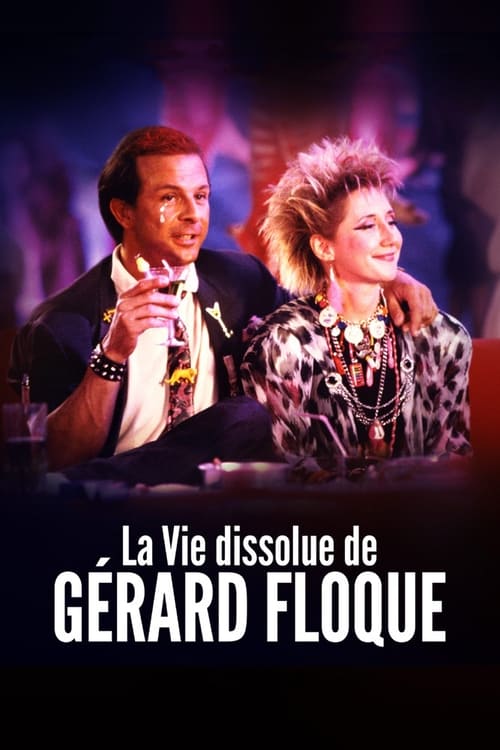
1987

1971
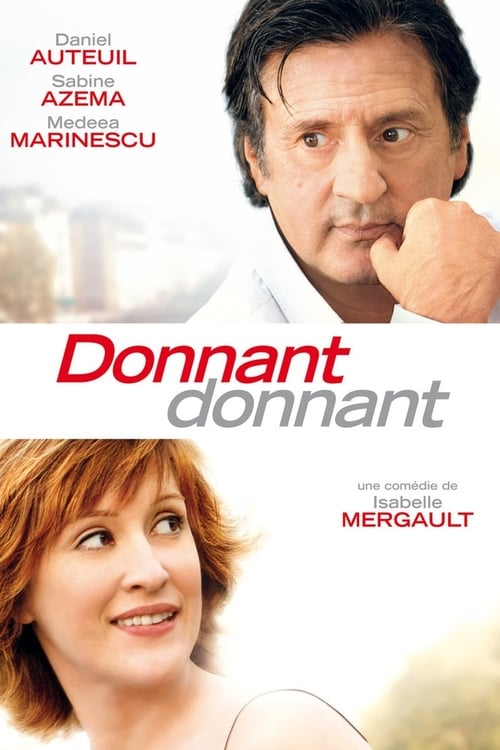
2010
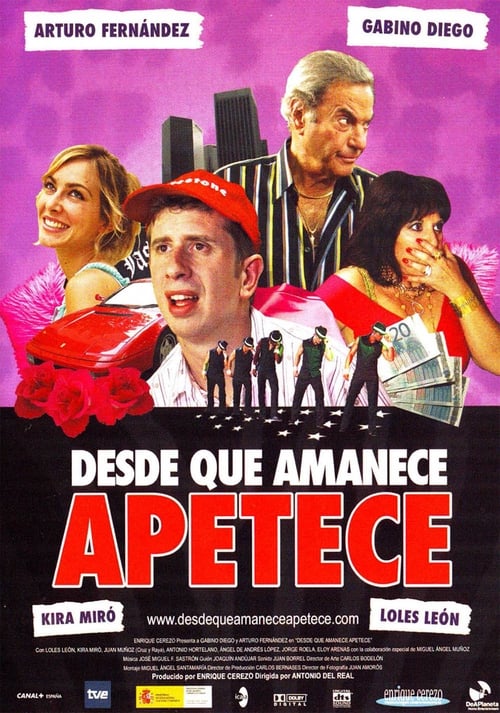
2006
No reviews yet. Be the first to share your thoughts on this movie!
Use the rating form above to leave a star rating and optional review.