
A Daughter of the Gods
1916
No user ratings available yet
Representation score: 2.0 out of 10
Representation Score
Minimal
1924
PassedDirector
Cecil B. DeMille
Runtime
100 minutes
Average Rating
No ratings yetNew Showbiz Analysis
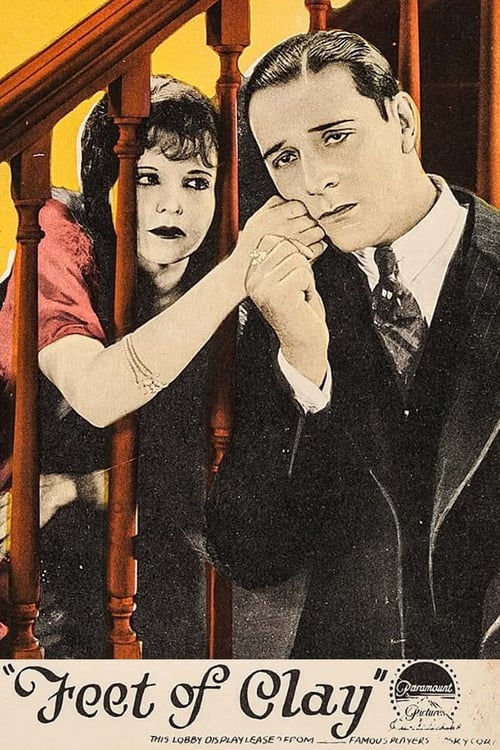
Feet of Clay is a traditional melodrama that upholds classical moral values and straight-centered family structures. The narrative reinforces established social hierarchies and the sanctity of marriage through a lens of spiritual consequence. While there is a shift in economic roles due to the protagonist's injury, the film remains tied to early 20th-century social norms, lacking any effort to challenge conventional clichés or provide diverse representation.
Category Breakdown
The film focuses solely on heterosexual relationships and traditional marriages, with no representation of non-straight or non-cisgender identities.
Amy's role as a fashion model is secondary to her position as a devoted wife. The power dynamics reflect early 20th-century views on feminine loyalty and social standing.
The cast is predominantly white, with no indication of color-blind casting or non-white majority representation.
The story emphasizes the sanctity of marriage and traditional morality, without exploring secular or diverse cultural perspectives.
Kerry Harlan’s injury from a shark attack serves primarily as a plot device to create melodrama, rather than a nuanced exploration of her experiences.
Present on Screen
Limited or Absent
Official Synopsis
Kerry Harlan (La Rocque) is unable to work because he was injured in a battle with a shark, so his youthful wife Amy (Reynolds) becomes a fashion model. While she is away from home, Bertha, the wife of his surgeon, is trying to force her attentions on Kerry and is accidentally killed in an attempt to evade her husband. After the scandal Amy is courted by Tony Channing, but she returns to her husband and finds him near death from gas fumes. Because they both attempted to make suicide, their spirits are rejected by "the other side," and learning the truth from Bertha's spirit they fight their way back to life. This film is presumed lost.
1916
1950
1925
1921
1910
1937
1911
1941
No reviews yet. Be the first to share your thoughts on this movie!
Use the rating form above to leave a star rating and optional review.