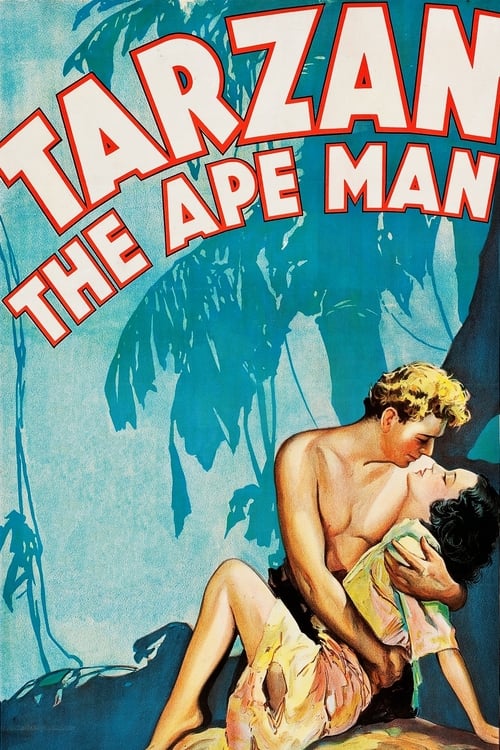
Tarzan the Ape Man
1932
No user ratings available yet
Representation score: 0.3 out of 10
Representation Score
Minimal
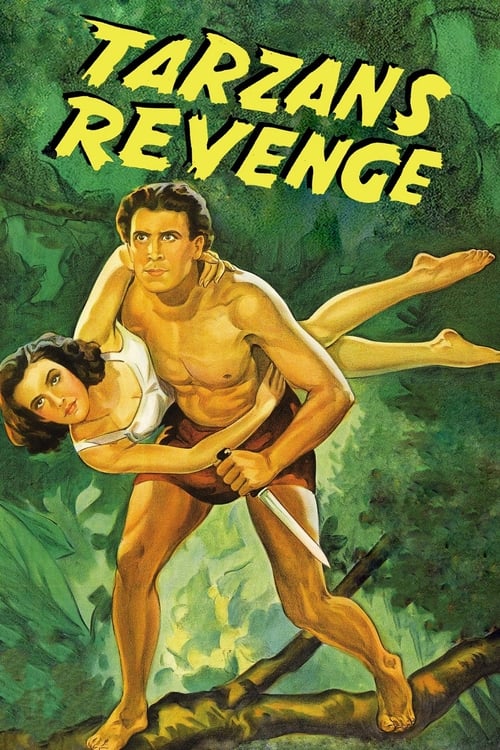
1938
ApprovedDirector
D. Ross Lederman
Runtime
70 minutes
Average Rating
No ratings yetNew Showbiz Analysis
Tarzan's Revenge adheres to the established cinematic frameworks of the late 1930s. It relies heavily on colonial-era clichés and conventional heroism, reinforcing the social status quo. The film upholds existing social and racial hierarchies without challenging them. Its narrative structure supports the era's standard expectations regarding gender, race, and cultural authority. Overall, the film lacks intentionality in representing diverse identities and perspectives, focusing instead on Western and patriarchal viewpoints.
Category Breakdown
The film does not include any LGBTQ+ characters or narratives. Romantic relationships follow traditional heterosexual norms.
Female characters such as Eleanor and Jane play secondary roles, often serving as companions or figures needing protection from male protagonists.
The film casts white actors in lead roles, depicting Indigenous African characters through stereotypical jungle adventure clichés.
It emphasizes Western values of adventure and physical strength, reinforcing moral binaries between heroes and villains without questioning traditional institutions.
There are no notable depictions of visible or invisible disabilities. No characters have arcs centered around neurodivergence or physical impairments.
Present on Screen
Limited or Absent
Official Synopsis
Eleanor and her parents are hunting big game, acompanied by her wimpish fiance.
1932
1934
1936
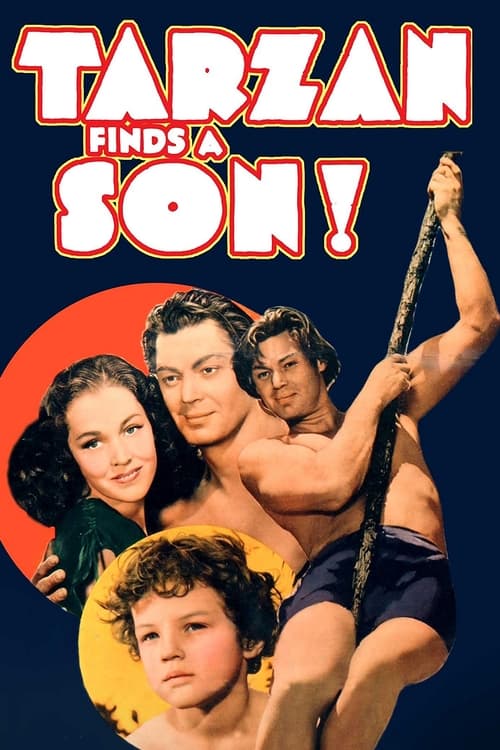
1939
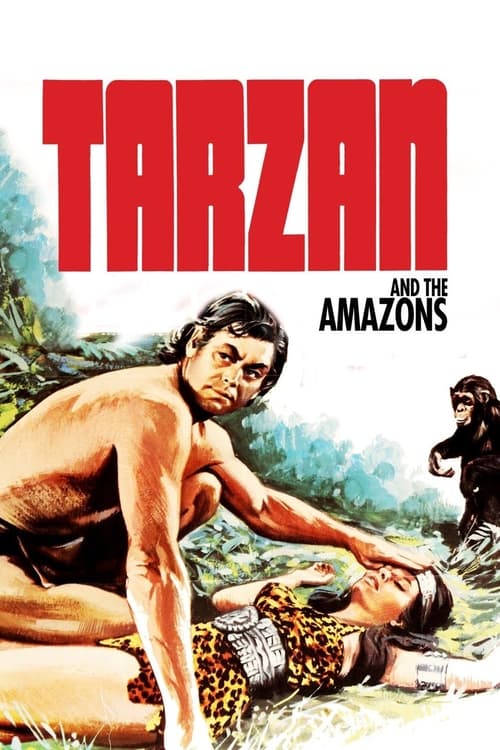
1945
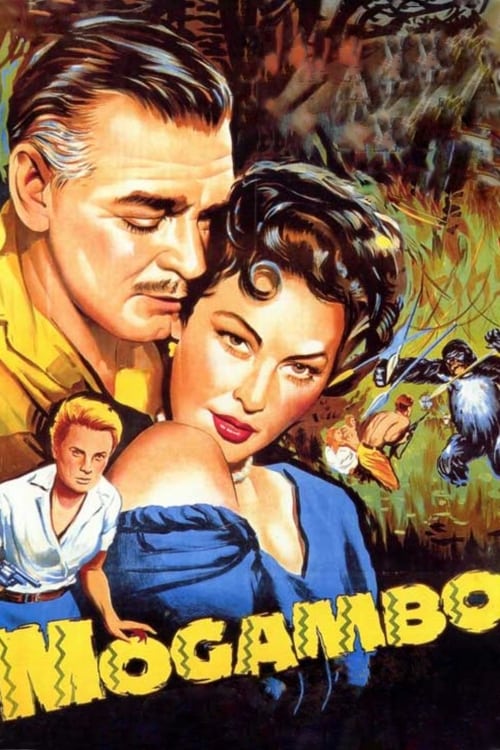
1953
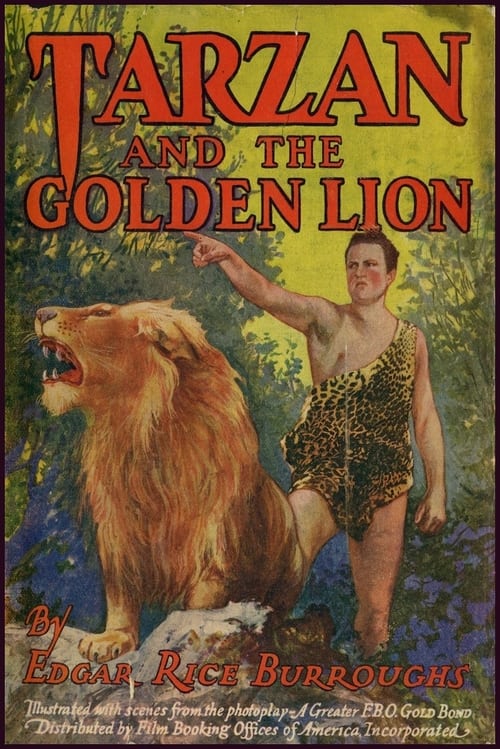
1927
1938
No reviews yet. Be the first to share your thoughts on this movie!
Use the rating form above to leave a star rating and optional review.