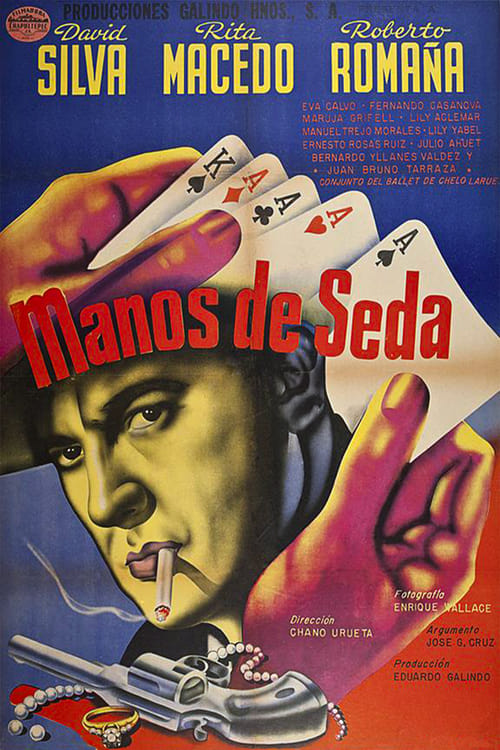
Manos de seda
1951
No user ratings available yet
Representation score: 1.5 out of 10
Representation Score
Limited
1949
Director
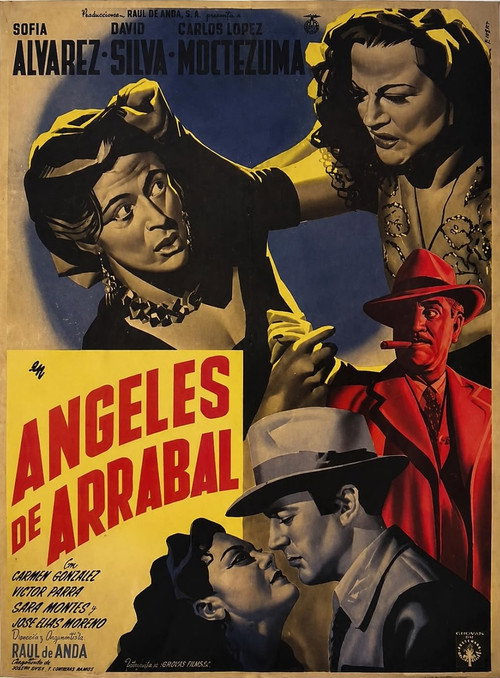
Raúl de Anda
Runtime
103 minutes
Average Rating
No ratings yetNew Showbiz Analysis
Ángeles de arrabal offers a unique cultural perspective on the Mexican urban working class. By focusing on the lives of small-time criminals and underrepresented individuals, it diverges from Western-centric cinematic traditions. However, the film adheres to the social norms of its time. Women are central but often confined to traditional roles that emphasize emotional endurance rather than challenging patriarchal structures. Overall, the film authentically represents Mexican urban life but remains tied to the moral and gender conventions of mid-20th century Mexican melodrama.
Category Breakdown
The film doesn't show any non-traditional gender identities or same-sex relationships. It follows the traditional family structures common in 1940s Mexican melodrama.
Women play key roles as bargirls and mothers, but their influence is often limited to emotional endurance within male-dominated crime stories.
The story focuses on a Mexican neighborhood, highlighting local and mestizo identities. This shifts the focus away from a white-centric perspective to the experiences of underrepresented communities.
The film looks at economic struggles and life outside formal capitalist systems. It likely balances portrayals of poverty with traditional religious morals and social order.
There are no characters with disabilities shown with any real ability to act. No physical impairments are mentioned in this crime drama.
Present on Screen
Limited or Absent
Official Synopsis
A thief commits several misdeeds and, to mislead the police, keeps jewelry in the house of his fiancée, whom he seduces to prevent her from discovering the theft.
1951

1949
1950
1959

1951
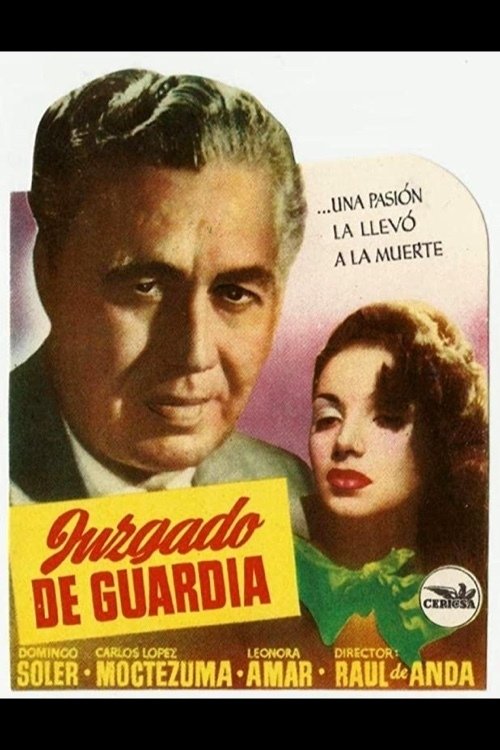
1949
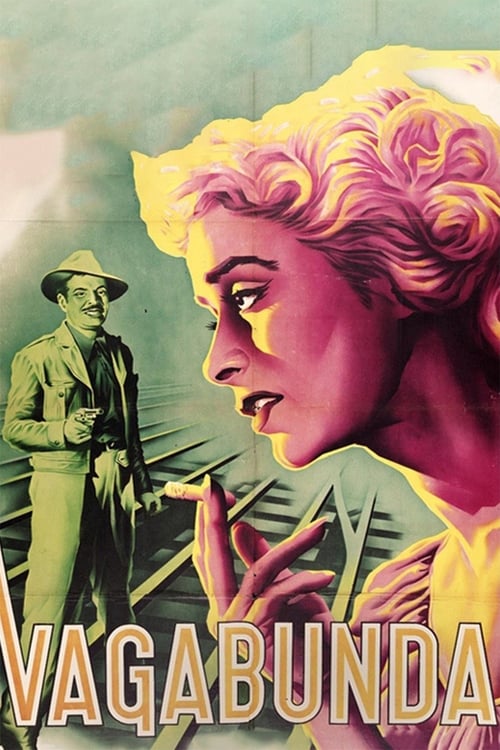
1950
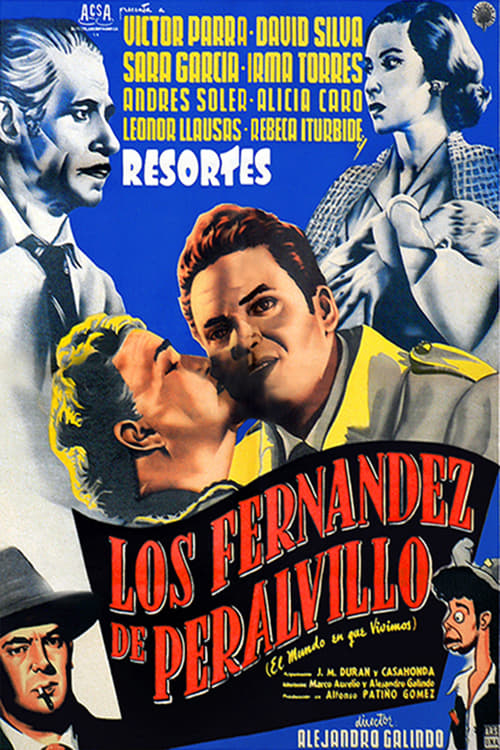
1954
No reviews yet. Be the first to share your thoughts on this movie!
Use the rating form above to leave a star rating and optional review.