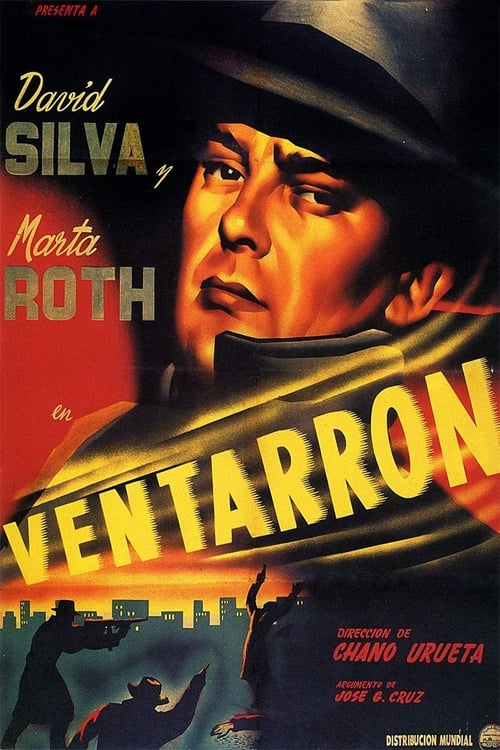
Ventarrón
1949
No user ratings available yet
Representation score: 1.9 out of 10
Representation Score
Limited
1949
Director
Raúl de Anda
Runtime
98 minutes
Average Rating
No ratings yetNew Showbiz Analysis
Comisario en turno is a conventional crime procedural from the Golden Age of Mexican cinema. It focuses on maintaining social stability through the operations of a police headquarters. The film adheres to the rigid social and genre frameworks of 1949, prioritizing the preservation of the status quo over exploring diverse identities or subverting institutional power. While it offers a non-Western perspective, the representation remains limited by the era's traditional values and the structural requirements of the police procedural genre.
Category Breakdown
The film does not include any visible LGBTQ+ narratives or non-straight identities. It follows the assumption that everyone is straight or cisgender, which is typical of mid-century crime dramas.
Women appear mainly as victims, witnesses, or domestic figures. They lack independent roles in driving the story, as the narrative centers on male-led legal and criminal proceedings.
The cast includes a non-Western perspective as a Mexican production. However, it reflects the social hierarchies of the time without blending different aspects of diversity.
The story emphasizes restoring social order through state institutions. It reinforces traditional views on law and authority without challenging the existing power structure.
There is no evidence of physical or neurodivergent characters within the film's narrative context.
Present on Screen
Limited or Absent
Official Synopsis
Night shift at police headquarters; criminals and victims of all sorts pass through to get their cases sorted out.
1949
1951
1949
1949
1969
1948
1957
1957
No reviews yet. Be the first to share your thoughts on this movie!
Use the rating form above to leave a star rating and optional review.