
El Angel
2018
No user ratings available yet
Representation score: 6.6 out of 10
No Poster Available
Representation Score
Fair
1973
TV-MADirector
Mario David
Runtime
90 minutes
Average Rating
No ratings yetNew Showbiz Analysis
Paño verde serves as a powerful piece of socio-political cinema that prioritizes class struggle over individual identity politics. By centering the Venezuelan peasantry, the film successfully deconstructs state power and challenges dominant social hierarchies. However, the film's focus on revolutionary mobilization results in a lack of representation for LGBTQ+ identities and neurodivergent characters. The narrative architecture is built around systemic oppression and armed insurgency rather than diverse personal identities. Ultimately, the film's strength lies in its cultural authenticity and its commitment to an anti-establishment framework, even if it lacks breadth in other demographic categories.
Category Breakdown
The film does not include evidence of non-traditional gender identities or same-sex relationships. The narrative emphasizes class struggle and revolution rather than LGBTQ+ identity politics.
While the revolutionary setting may move beyond traditional femininity, the specific roles and influence of female characters remain undefined. The story prioritizes the collective struggle of the peasantry.
The film achieves high ethnic authenticity by focusing on the Venezuelan rural population. It disrupts cinematic hierarchies by highlighting underrepresented, non-white, and localized identities.
The narrative is deeply rooted in anti-capitalist frameworks. It portrays state and military structures as oppressive forces, framing the peasantry's rebellion as a critique of systemic corruption.
There is no evidence to suggest that disability plays a central role in the character arcs or plot mechanics.
Present on Screen
Limited or Absent
Official Synopsis
Set in Buenos Aires in the 1940s, it showed the formation, rise and fall of a criminal gang.
2018
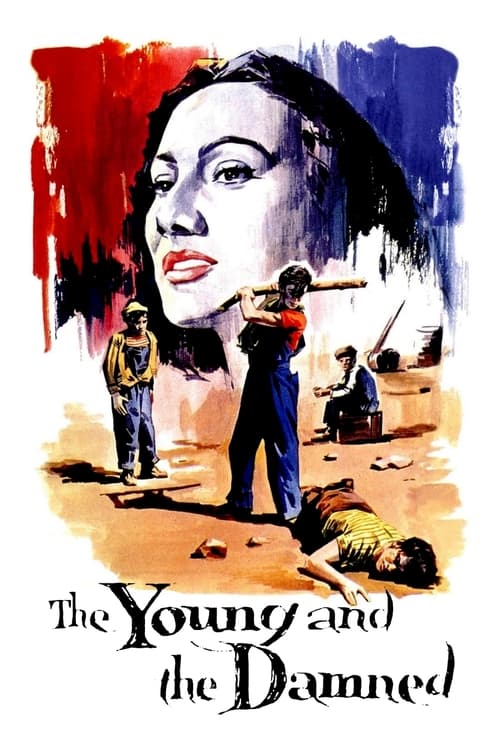
1950
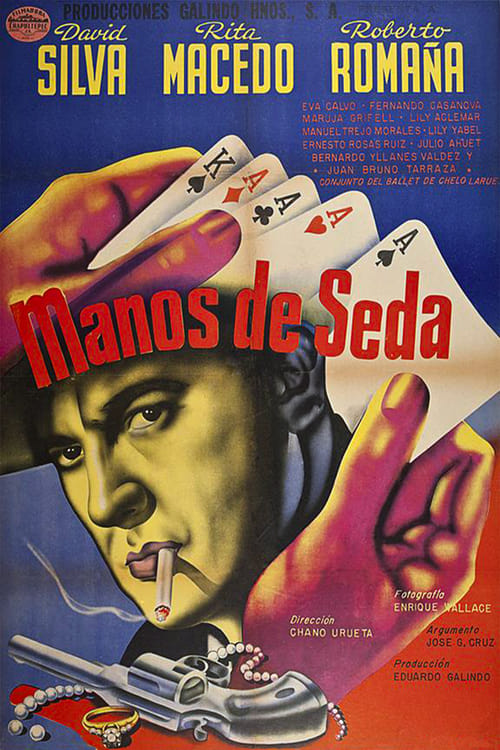
1951

1990
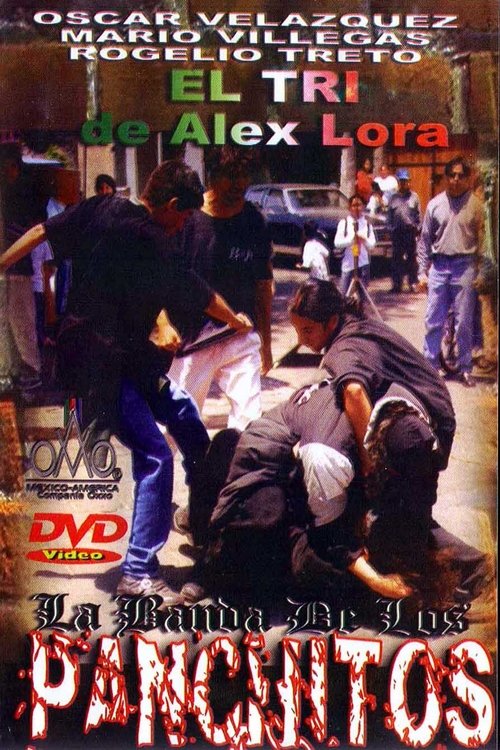
1987
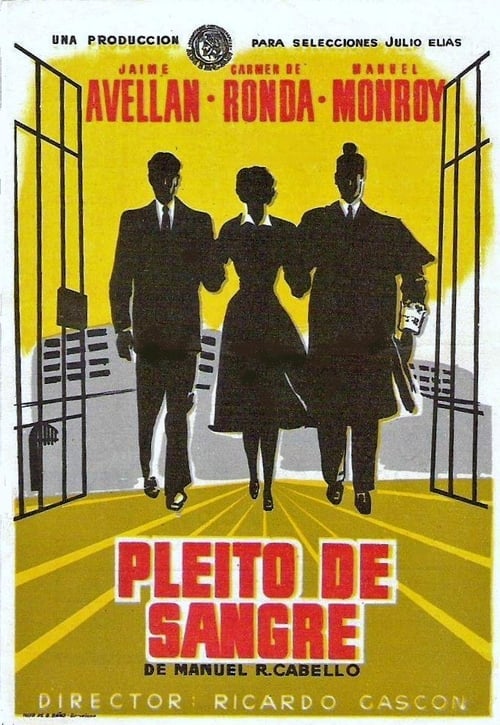
1956
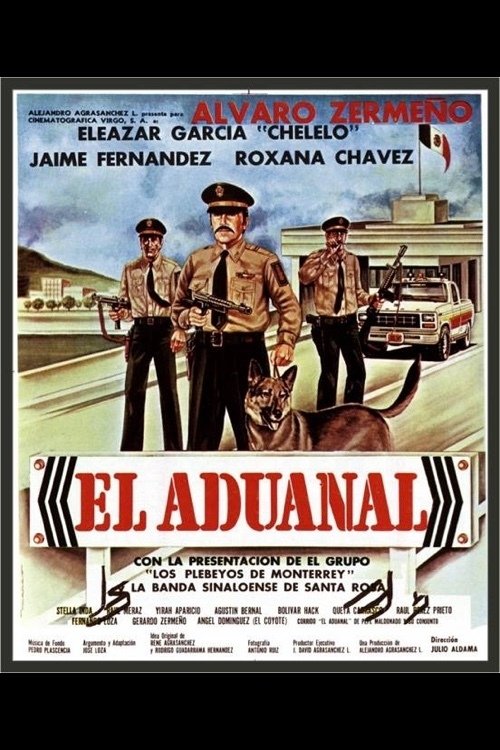
1987
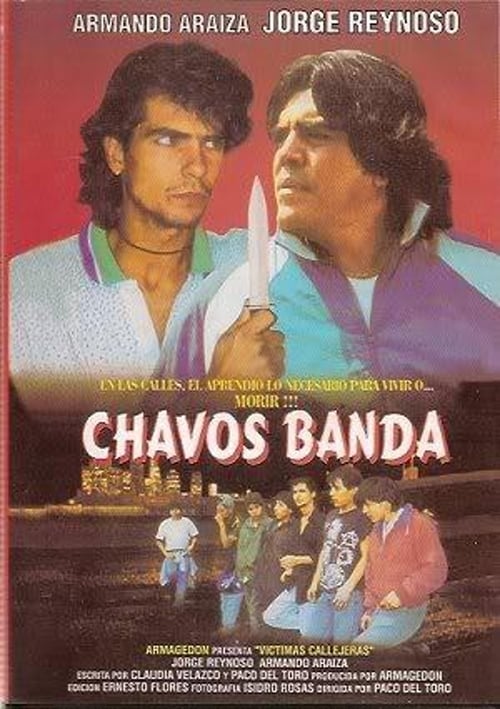
1995
No reviews yet. Be the first to share your thoughts on this movie!
Use the rating form above to leave a star rating and optional review.