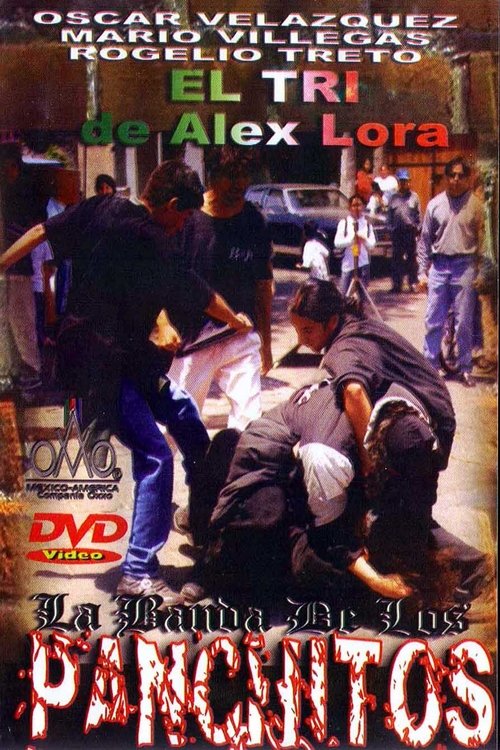
La banda de los panchitos
1987
No user ratings available yet
Representation score: 3.0 out of 10
Representation Score
Fair
1995
Director
Paco del Toro
Runtime
0 minutes
Average Rating
No ratings yetNew Showbiz Analysis
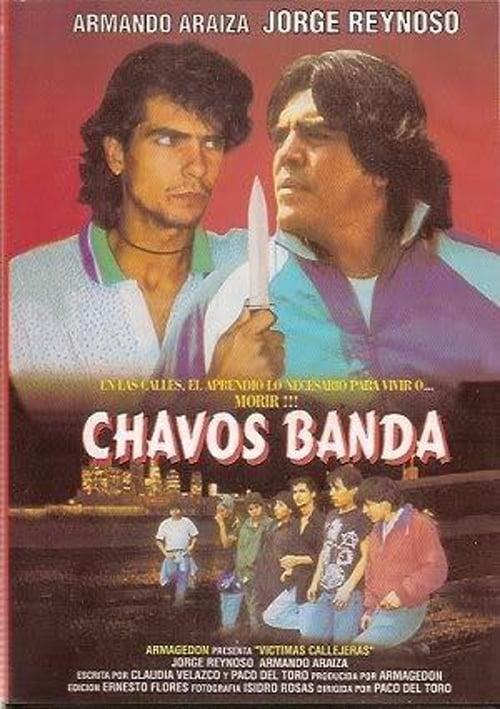
Chavos Banda (Víctimas Callejeras) functions as a gritty, localized crime drama that prioritizes socio-economic realism over identity-based subversion. Its strength lies in its cultural authenticity and its focus on the struggles of underrepresented urban populations. However, the film remains tethered to the era's genre constraints, particularly regarding gender and LGBTQ+ representation. It relies on traditional masculine hierarchies and lacks explicit queer narratives. Ultimately, the film offers a moderate level of diversity by centering regional identities and systemic critiques, even if it lacks deep multi-layered character development.
Category Breakdown
The film does not include explicit narratives or characters that challenge the assumption that everyone is straight or cisgender. Any themes related to non-cisgender identities seem to be absent or subtly hinted at.
The narrative likely follows traditional masculine hierarchies common to 1990s crime dramas. Female characters do not exercise high ability to act or challenge conventional gender roles.
The production likely centers on localized ethnic identities and regional socio-economic realities. It features a non-Anglo-Saxon majority cast consistent with its Latin American origins.
The story engages with themes of social exclusion and urban survival. It critiques systemic institutions by focusing on the friction between individuals and state structures.
There is no verifiable evidence of characters with visible or invisible disabilities within the film.
Present on Screen
Limited or Absent
1987

2019
1987
1950
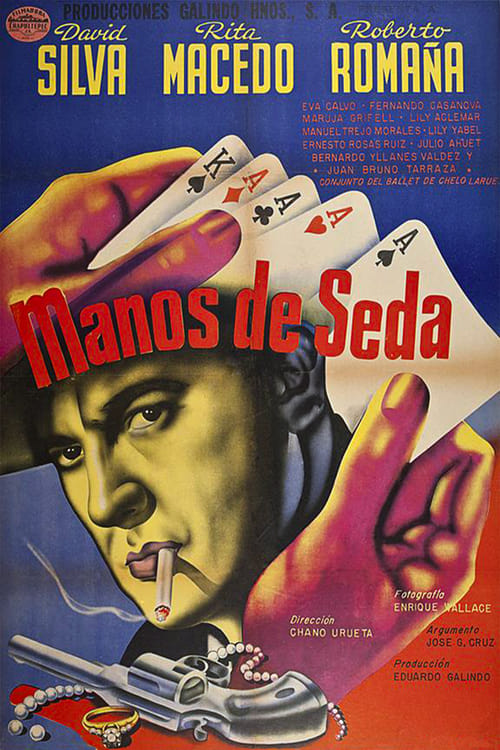
1951
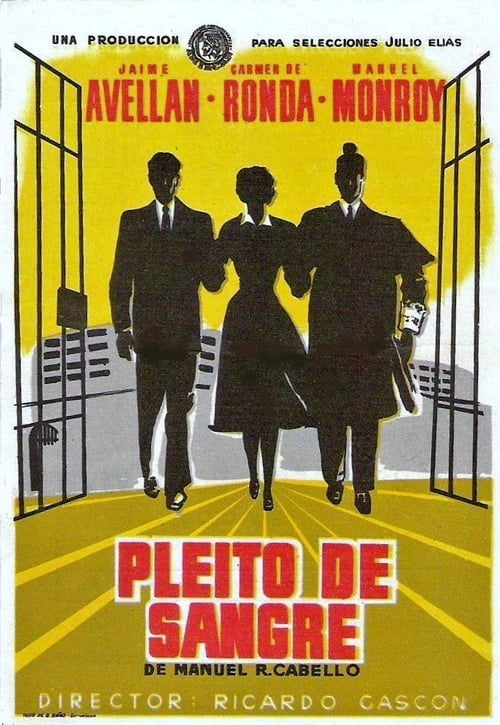
1956
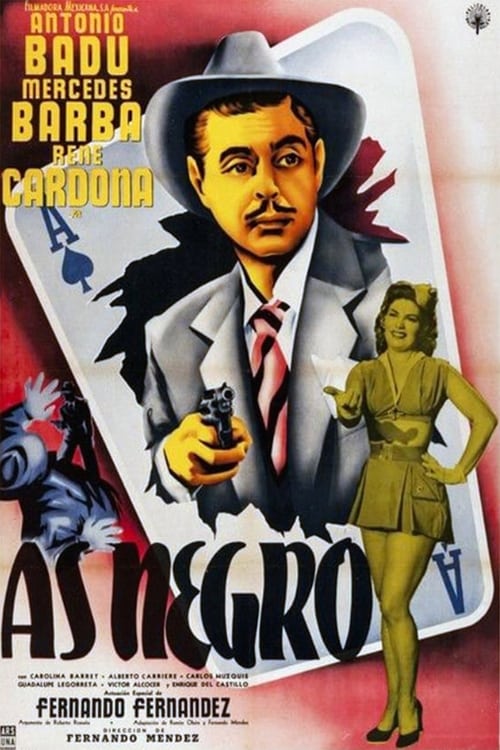
1954
1973
No reviews yet. Be the first to share your thoughts on this movie!
Use the rating form above to leave a star rating and optional review.