Céline and Julie Go Boating
1974
No user ratings available yet
Representation score: 7.5 out of 10
Representation Score
Excellent
1991
RDirector
Krzysztof Kieślowski
Runtime
98 minutes
Average Rating
No ratings yetNew Showbiz Analysis
Kieślowski’s work excels by placing female subjectivity and artistic ambition at the center of the story. The protagonists drive the plot through their own existential inquiries rather than serving as mere romantic foils. However, the film remains limited by its narrow demographic scope. The cast is largely homogeneous, and the romantic structures follow conventional patterns. Ultimately, the film's strength lies in its intellectual depth and its rejection of institutional morality in favor of individual experience.
Category Breakdown
The film follows a traditional romantic storyline between Véronique and Alexandre Fabbri, focusing on heterosexual relationships. It explores the idea of a 'double' but does not include explicit representations of LGBTQ+ identities.
The narrative emphasizes the ability to act and subjectivity of women, prioritizing their internal lives and artistic ambitions. This approach challenges the tendency to sideline female characters to secondary roles.
The cast remains predominantly white within a Western European context. Although the film shifts between France and Poland, it does not feature a diverse, multi-ethnic cast.
The film focuses on metaphysical truth and individual intuition, rejecting traditional religious dogma. This secular, existentialist perspective challenges the reliance on institutional frameworks to explain human experiences.
There are no explicit depictions of physical or neurodivergent disabilities. The film examines psychological fragmentation and spiritual dissonance without using disability as a plot device.
Present on Screen
Limited or Absent
Official Synopsis
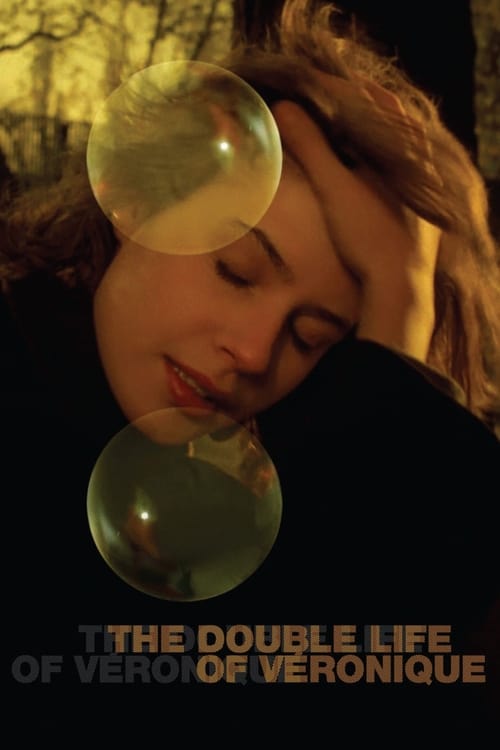
Véronique is a beautiful young French woman who aspires to be a renowned singer; Weronika lives in Poland, has a similar career goal and looks identical to Véronique, though the two are not related. The film follows both women as they contend with the ups and downs of their individual lives, with Véronique embarking on an unusual romance with Alexandre Fabbri, a puppeteer who may be able to help her with her existential issues.
1974

1993
1987
1948

1987
1991
2000

1998
No reviews yet. Be the first to share your thoughts on this movie!
Use the rating form above to leave a star rating and optional review.