Faraway, So Close!
1993
No user ratings available yet
Representation score: 8.0 out of 10
Representation Score
Excellent
1987
PG-13Director
Wim Wenders
Runtime
128 minutes
Average Rating
No ratings yetNew Showbiz Analysis
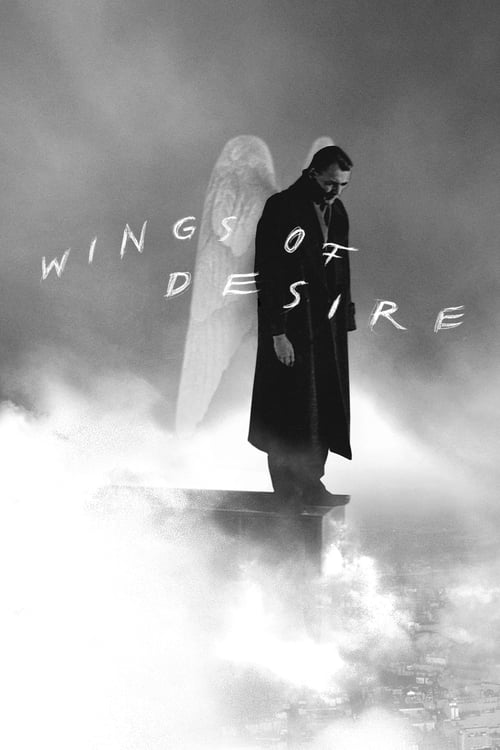
Wim Wenders' masterpiece excels at challenging institutional authority and traditional divinity. By reimagining angels as empathetic observers, the film moves away from rigid moral hierarchies toward a more secular, humanistic perspective. While the film lacks overt demographic diversity or explicit LGBTQ+ themes, it finds depth in the 'existential disability' of its celestial protagonists. The narrative uses their sensory deprivation to explore the profound beauty of the mundane human experience. Ultimately, the film's strength lies in its ability to challenge traditional gender roles and religious structures, offering a nuanced meditation on connection within a fragmented urban landscape.
Category Breakdown
The film centers on a romantic relationship between an angel and a human trapeze artist, which is oriented toward straight relationships. It does not focus on queer identities or non-cisgender structures.
Female characters play a significant role in driving the story through their emotional ability to act and act as catalysts for the protagonist's transformation. The film challenges rigid masculine clichés by emphasizing vulnerability over detached strength.
The cast reflects the demographic realities of 1980s Europe. It showcases a range of socioeconomic backgrounds without focusing on specific racialized conflicts.
Wenders reimagines angels as empathetic observers rather than agents of divine authority. This deconstructs traditional religious hierarchies in favor of a secular, existentialist perspective.
The film uses the angels' inability to touch or feel as a metaphor for sensory deprivation. This explores a state of existential disability and liminality.
Present on Screen
Limited or Absent
Official Synopsis
Two angels, Damiel and Cassiel, glide through the streets of Berlin, observing the bustling population, providing invisible rays of hope to the distressed but never interacting with them. When Damiel falls in love with lonely trapeze artist Marion, the angel longs to experience life in the physical world, and finds — with some words of wisdom from actor Peter Falk — that it might be possible for him to take human form.
1993
1976
1999

1967
1995
1946
2014
1997
No reviews yet. Be the first to share your thoughts on this movie!
Use the rating form above to leave a star rating and optional review.