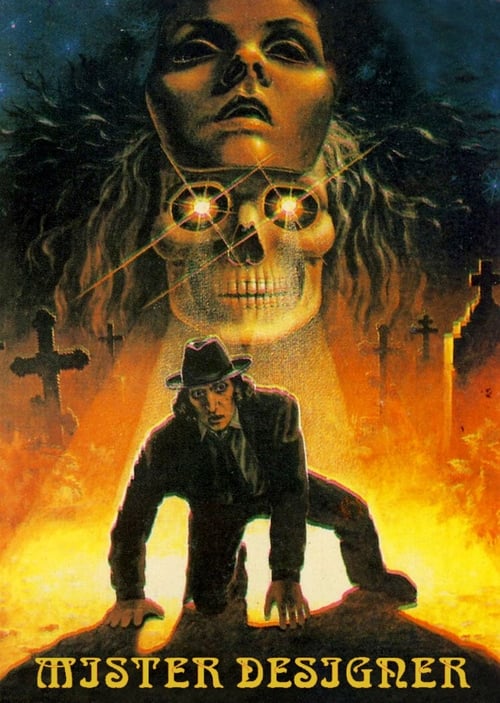
Mister Designer
1988
No user ratings available yet
Representation score: 2.8 out of 10
Representation Score
Fair
1998
Director
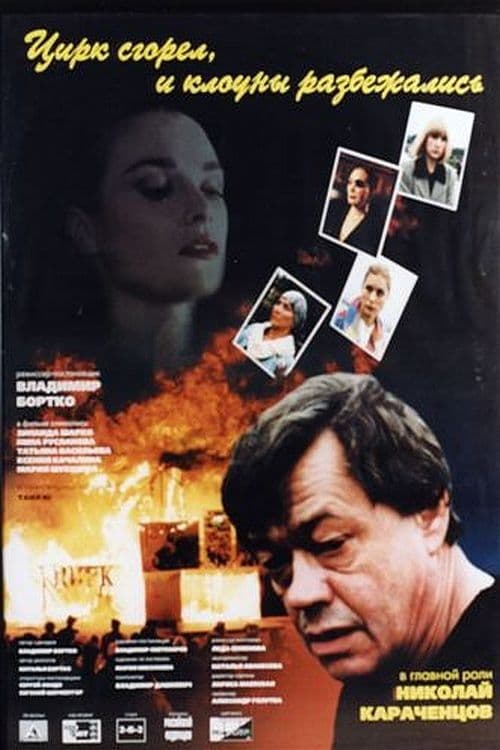
Vladimir Bortko
Runtime
114 minutes
Average Rating
No ratings yetNew Showbiz Analysis
The film is a deeply localized existentialist character study that prioritizes psychological depth over diverse identity representation. It succeeds in deconstructing social and religious certainties through its nihilistic themes, yet it remains narrow in its demographic scope. While the personification of Death offers a non-traditional female presence, the core narrative structure remains tied to traditional patriarchal and familial roles. The lack of ethnic or LGBTQ+ diversity keeps the overall score modest. Ultimately, the work finds its strength in thematic disruption rather than social representation, offering a subjective worldview that challenges standard institutional stability.
Category Breakdown
The film does not explicitly depict LGBTQ+ identities or relationships outside of traditional heterosexual norms. The narrative focuses on the protagonist's past marriages and his relationship with his mother.
The story centers on a male protagonist navigating mid-life crises. While Death is personified as a powerful female figure, the interpersonal dynamics largely revolve around traditional patriarchal structures.
This localized Russian production features a homogeneous cast. The focus remains on the internal psychological state of a single director within a specific cultural context.
The film disrupts conventional religious optimism by exploring the vanity of the world. It prioritizes psychological realism and moral relativism over traditional ideals of family sanctity.
The inclusion of an insane mother introduces mental health conditions into the story. However, it is unclear if this character has a significant role in driving the story or is simply a narrative backdrop.
Present on Screen
Limited or Absent
Official Synopsis
A film director Nikolai Khudokormov is on the brink of his 50th anniversary. He has the whole life rich in events under his belt: creative quests, several marriages and children. Now he has to live with an old insane Mother and seems to be indifferent to what is going on around. But at the same time he is obsessed by the idea to make a film which will be his best one. Nikolai makes every effort to raise the money for this project. And all the time he is followed by a mysterious stranger. She is a beautiful young creature who speaks to him about the vanity of the world and the meaningless of a human life. Finally, Nikolai realizes that he is speaking to the Death herself.
1988
1960
2018
1973
2023
2018

1955
1995
No reviews yet. Be the first to share your thoughts on this movie!
Use the rating form above to leave a star rating and optional review.