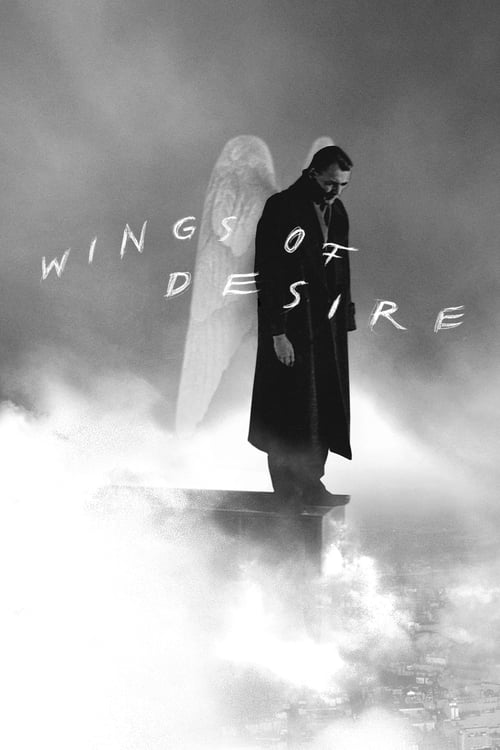
Wings of Desire
1987
No user ratings available yet
Representation score: 8.0 out of 10

Representation Score
Excellent
1993
PG-13Director
Wim Wenders
Runtime
147 minutes
Average Rating
No ratings yetNew Showbiz Analysis
Wim Wenders' film is a postmodern reflection on the erosion of spirituality within a globalizing urban landscape. By following an angel's descent into a gritty, post-reunification Berlin, the story critiques the materialist shifts of the late 20th century. The film excels in its cultural commentary, particularly regarding the commercialization of European spaces. However, it remains focused on existential themes rather than specific identity-based or communal narratives. While the film avoids traditional male clichés, it lacks explicit representation for LGBTQ+ and disabled characters, focusing instead on ontological and metaphorical themes.
Category Breakdown
The film does not include explicit LGBTQ+ stories or characters who explore non-traditional gender identities. Instead, it focuses on exploring human intimacy and identity fluidity through existential struggles.
The film challenges traditional masculine dominance by showing the male protagonist's journey from an angel to a human, emphasizing his vulnerability and disorientation rather than strength.
Set in a reunified Berlin, the film captures a diverse urban landscape shaped by significant socioeconomic changes and demographic shifts. The cast reflects a mix of different backgrounds and ethnicities.
The film provides a nuanced critique of Americanization and capitalist expansion in Europe. It highlights the tension between spiritual depth and the superficial influence of globalized consumerism.
The film does not depict central characters with physical or neurodivergent disabilities. Instead, it uses the metaphor of a 'disabled' soul to represent existence in a material world.
Present on Screen
Limited or Absent
Official Synopsis
A group of angels look longingly upon the life of humans. Berlin now is a very different place: unified in name but overrun with crime, corruption, and—in what turns out to be a key theme here—Americans.
1987
1991

1995
1997

2014
1995

1999
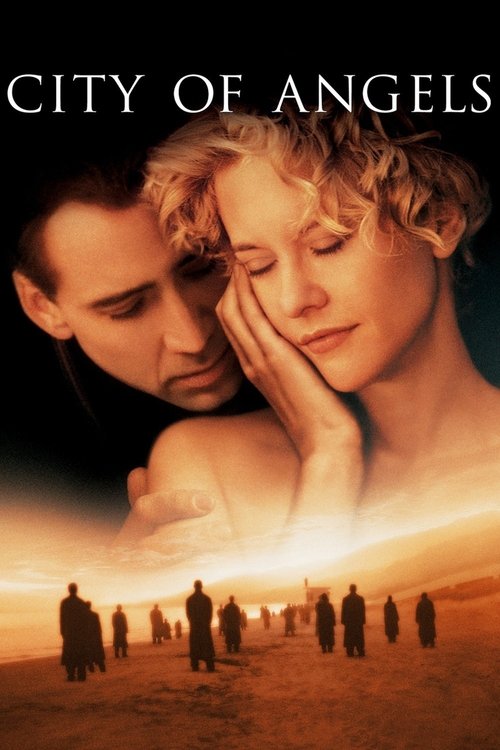
1998
No reviews yet. Be the first to share your thoughts on this movie!
Use the rating form above to leave a star rating and optional review.