
The Child
2005
No user ratings available yet
Diversity score: 5.1 out of 10
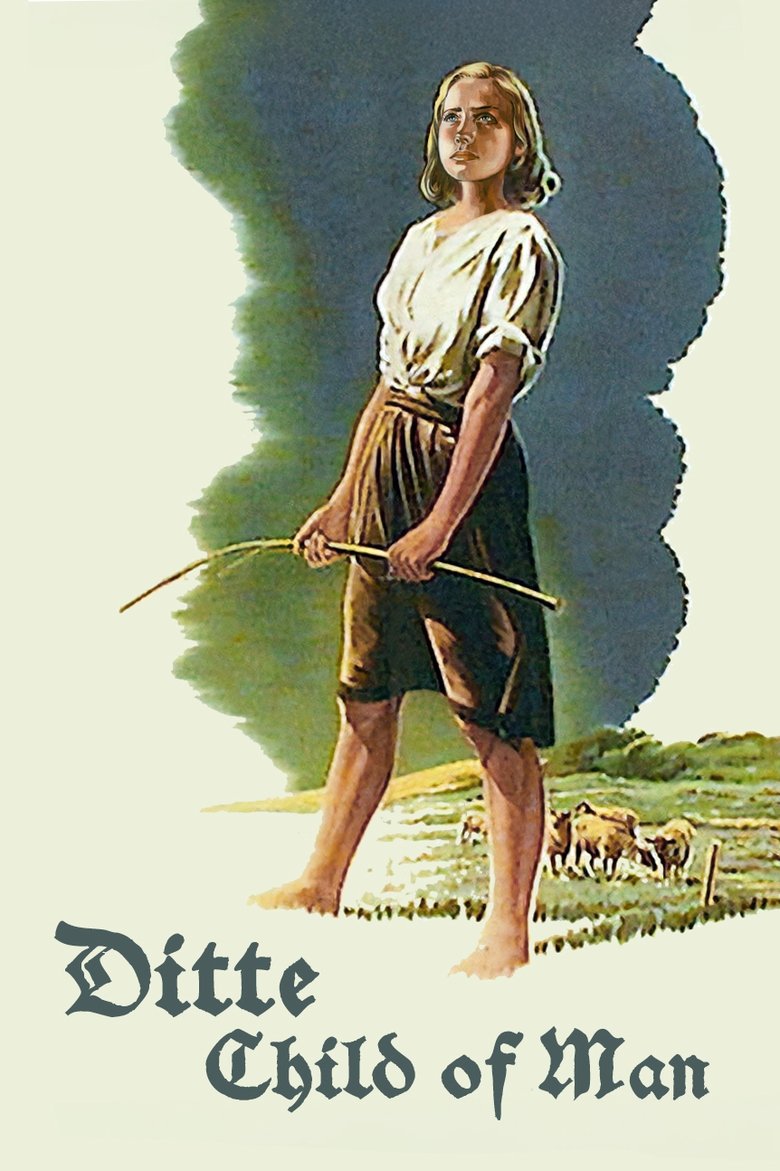
1946
Director
Bjarne Henning-Jensen
Runtime
99 minutes
Average Rating
No ratings yetSynopsis
Ditte is born out of wedlock and lives as a young girl with her old beloved grandmother. As an illegitimate child she is teased in school and more than anything in the world she wants a father. When steady - utterly reliable - herring dealer Lars Petter shows up and tells her that he is marrying Ditte's mother, the little girl is very happy. Now Ditte must take care of three new sisters and brothers but gets nothing but complaints from her ungrateful, selfish mother. But the little girl finds consolation and support in both her sisters and brothers and Lars Petter.
Overall Score
Fair
Category Breakdown
LGBTQ+ Representation
The film adheres to the heteronormative social structures of its mid-20th-century rural setting. There are no depictions of queer narratives or non-cisnormative identities.
Gender Representation
The narrative centers on the female experience and the heavy burden of womanhood. Ditte maintains agency while navigating the exhausting, unrewarded nature of female labor and motherhood.
Racial & Ethnic Diversity
Set in 1940s rural Denmark, the film depicts a homogeneous population. It does not utilize non-white casting to challenge the period's demographic reality.
Religious & Cultural Diversity
The film critiques socioeconomic structures and the exploitation within traditional institutions. It specifically challenges the moral rigidity surrounding the status of illegitimate children.
Disability Representation
No characters are defined by specific physical or neurodivergent disabilities. The film instead captures the physical toll of malnutrition and exhaustion caused by systemic poverty.
Strengths
Areas for Improvement
AI Analysis
Ditte, Child of Man is a foundational work of Danish social realism that prioritizes the perspective of the marginalized working class. It succeeds in deconstructing class hierarchies and critiquing systemic oppression through a lens of empathy. However, the film is limited by its historical context, lacking modern intersectional markers. The narrative is homogeneous, focusing on a specific era and geography that excludes LGBTQ+ and racial diversity. Ultimately, the film's strength lies in its progressive focus on the struggle against institutional indifference, even if it remains rooted in the social constraints of the 1940s.
2005
2020
2001

2011
2010
1953
1913
1957
1963

2004

2004
1958
No reviews yet. Be the first to share your thoughts on this movie!
Use the rating form above to leave a star rating and optional review.