The Kreutzer Sonata
1956
No user ratings available yet
Representation score: 1.7 out of 10
Representation Score
Minimal
1999
Director
Vicente Aranda
Runtime
105 minutes
Average Rating
No ratings yetNew Showbiz Analysis
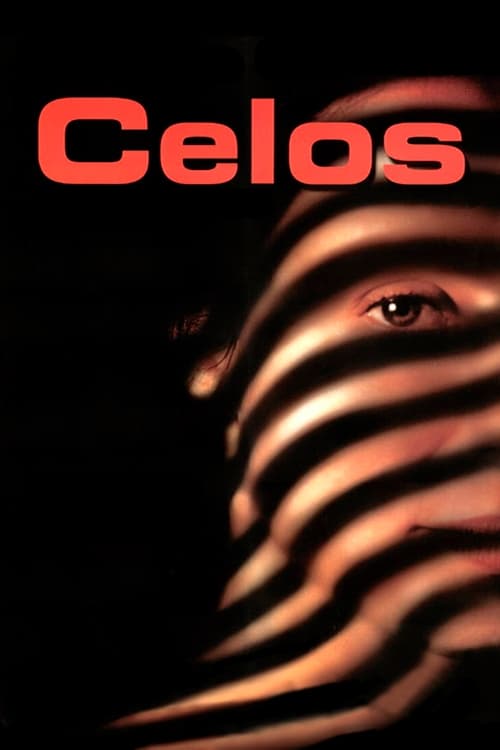
Vicente Aranda’s *Jealousy* is a period drama that emphasizes psychological realism over social diversity. Rooted in the specific historical and demographic context of early 20th-century Andalusia, the film lacks characters who reflect more than one aspect of diversity. While the film explores gendered power dynamics and women's ability to drive the story within a patriarchal structure, it does not challenge the systemic patriarchal structures of its time. The narrative focuses on the breakdown of individual relationships rather than broader social hierarchies. Overall, the production reflects the homogeneity of its setting, lacking LGBTQ+ representation, racial diversity, or disability inclusion, and instead functions as a focused study of obsession within a traditional social framework.
Category Breakdown
The film does not include any LGBTQ+ characters or narratives. The central conflict revolves around a heterosexual relationship, reflecting the social norms of the 1910s setting.
Carmen attempts to manage her volatile marriage through emotional manipulation, demonstrating a degree of ability to act. However, the narrative is firmly grounded in traditional Mediterranean gender roles and patriarchal dynamics.
The cast is ethnically uniform, mirroring the demographic makeup of provincial Andalusia in the early 20th century. There is no indication of intentional racial diversity.
The story frames destructive behaviors as human frailty rather than religious failings, using moral relativism to critique the stability of traditional social contracts through individual passion.
No visible or invisible disabilities are portrayed as central to the character arcs or the film's narrative development.
Present on Screen
Limited or Absent
Official Synopsis
A month before he's to marry Carmen, Antonio finds a photograph of a man with his arm on her shoulder. The photograph triggers jealousy: he questions Carmen, Carman's friend Cinta, and his friend Luis who introduced him to Carmen. Cinta tells Antonio the man's first name. Carmen tells him that the man meant nothing to her, and that the photograph was taken before she met Antonio. She loves Antonio and sets out to wipe the photograph from his mind through exuberant sex, but her ploy backfires and Antonio remains fixated. Slowly he finds out about the man, and about Carmen's past. Will jealousy consume this couple or can they find a way to kill the green-eyed monster?
1956
1991

1936
1950

1953
1976
1934

1945
No reviews yet. Be the first to share your thoughts on this movie!
Use the rating form above to leave a star rating and optional review.