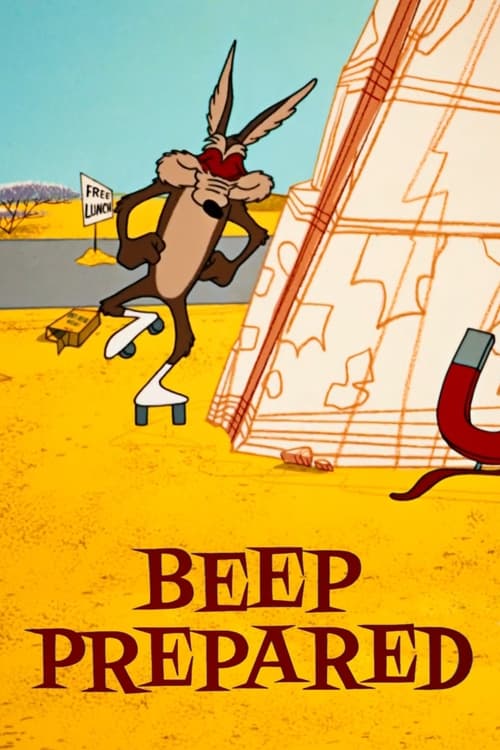
Beep Prepared
1961
No user ratings available yet
Representation score: 1.6 out of 10
Representation Score
Minimal
1959
Director
Chuck Jones
Runtime
7 minutes
Average Rating
No ratings yetNew Showbiz Analysis
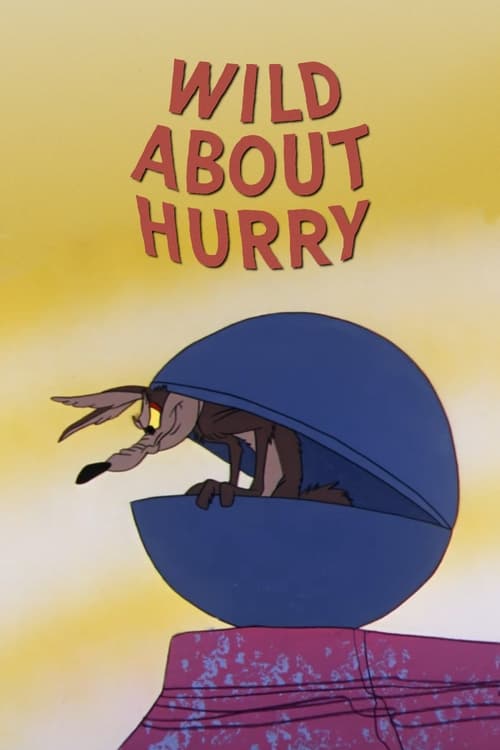
Wild About Hurry is a pure comedic exercise that prioritizes physical humor and situational irony over social or cultural representation. The narrative revolves around a cycle of pursuit and failure, leaving no room for multi-layered identities. Given that the characters are non-human archetypes, the film lacks the context to address gender, race, or cultural identity. It functions as a product of its time, emphasizing the mechanics of slapstick rather than systemic commentary. Ultimately, the work is a specialized piece of animation that avoids social hierarchies, focusing instead on the inevitability of the protagonist's failures.
Category Breakdown
The film includes no LGBTQ+ characters or exploration of romantic relationships. It operates within a strictly heterosexual and gender-conforming framework typical of mid-century animation.
Since the characters are animals, there is no gender representation. The narrative neither reinforces nor subverts gender roles.
The desert setting and anthropomorphic characters prevent racial or ethnic diversity. The work presents a uniform, non-human environment without considering multiple aspects of identity.
The short focuses on physical humor rather than religious or ideological messages. It exists in a social vacuum where the main concern is the laws of physics.
Physical injuries are used solely as a comedic device for the protagonist. These struggles serve as slapstick elements rather than meaningful representations of disability or neurodivergence.
Present on Screen
Limited or Absent
Official Synopsis
Wile E. Coyote tries to catch the Road Runner by enclosing himself inside an indestructible steel ball.
1961
1962
1957

1958

1956
1961
1957
1961
No reviews yet. Be the first to share your thoughts on this movie!
Use the rating form above to leave a star rating and optional review.