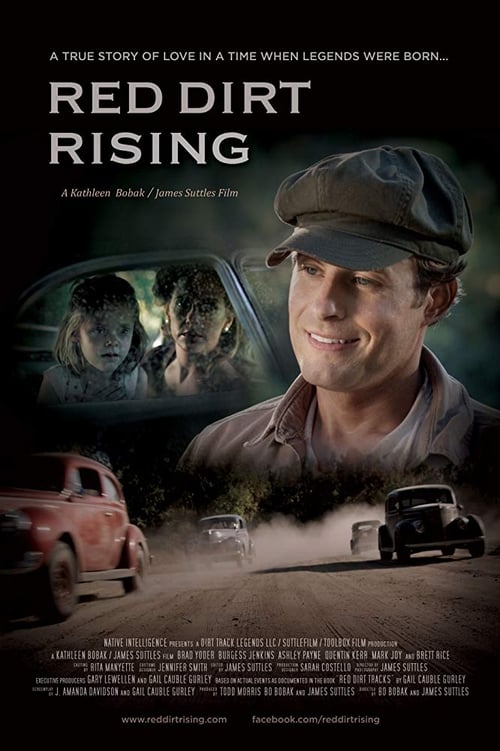
Red Dirt Rising
2014
No user ratings available yet
No diversity score available

1947
ApprovedDirector
Phil Karlson
Runtime
85 minutes
Average Rating
No ratings yetSynopsis
The life story of Jimmie Davis, from his humble beginnings as the son of a sharecropper through his career as a country songwriter/singer and onward to become the governor of Louisiana.
Overall Score
Limited
Category Breakdown
LGBTQ+ Representation
The film follows a traditional biographical arc centered on a public figure. There is no evidence of non-cisnormative identities or narratives that challenge heteronormativity.
Gender Representation
The story focuses on the singular ascent of a male protagonist. Leadership and agency are centered in the male experience, reflecting a traditional hierarchy.
Racial & Ethnic Diversity
The setting involves the socio-economic landscape of the American South. While it explores class through a sharecropper's son, it does not confirm a diverse cast or the subversion of racial hierarchies.
Religious & Cultural Diversity
The narrative emphasizes a conventional American Dream through individual merit and social mobility. It reinforces traditional ideals of institutional power rather than critiquing them.
Disability Representation
The film provides no evidence of characters with physical or neurodivergent disabilities.
Strengths
Areas for Improvement
AI Analysis
Louisiana (1947) is a conventional biographical drama that follows a classic rags-to-riches trajectory. The narrative focuses on the individual upward mobility of Jimmie Davis, moving from a sharecropper's son to a governor. The film reflects the social paradigms of the post-war era, prioritizing traditional success stories and institutional stability. It lacks the intersectional complexity or the disruption of social hierarchies necessary for a more diverse representation. Ultimately, the film functions as a standard period piece that adheres to the era's prevailing social structures and narrative tropes.
2014

2000

1963

1973

1947
1939

2010

2016
1991

2000

2015

2017
No reviews yet. Be the first to share your thoughts on this movie!
Use the rating form above to leave a star rating and optional review.