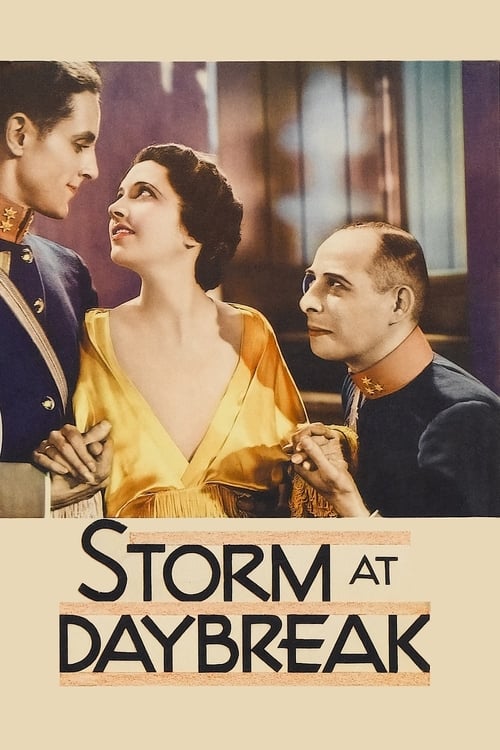
Storm at Daybreak
1933
No user ratings available yet
Representation score: 2.8 out of 10
Representation Score
Limited
1918
Director
Paul Leni
Runtime
82 minutes
Average Rating
No ratings yetNew Showbiz Analysis
The film functions as a traditional historical drama that upholds the social hierarchies of the early 20th century. While it avoids a singular Anglo-centric focus by featuring various European nationalities, the narrative remains firmly grounded in period-specific gender roles and nationalistic conflicts. Diversity is limited by the film's focus on diplomatic and military structures. Characters primarily advance the plot through war and romantic competition, rather than exploring multi-layered identities. Overall, the work reflects the era's emphasis on traditional state institutions and conventional social dynamics.
Category Breakdown
The film focuses on a romantic rivalry between Dr. Hart and Count Bronislaw. There are no representations of LGBTQ+ identities or same-sex relationships.
The story is dominated by male-driven geopolitical events and warfare. Female characters such as Jadwiga mainly serve as romantic interests for the male protagonists.
The film includes a mix of Polish, French, and Russian characters, creating a multi-ethnic setting within a European context. However, the narrative remains rooted in established continental hierarchies.
The plot adheres to early 20th-century nationalist and military traditions. It does not challenge or deconstruct traditional state or family structures.
A character's battlefield injury serves as a plot device connecting the protagonist and antagonist. The disability is not explored in depth or nuance.
Present on Screen
Limited or Absent
Official Synopsis
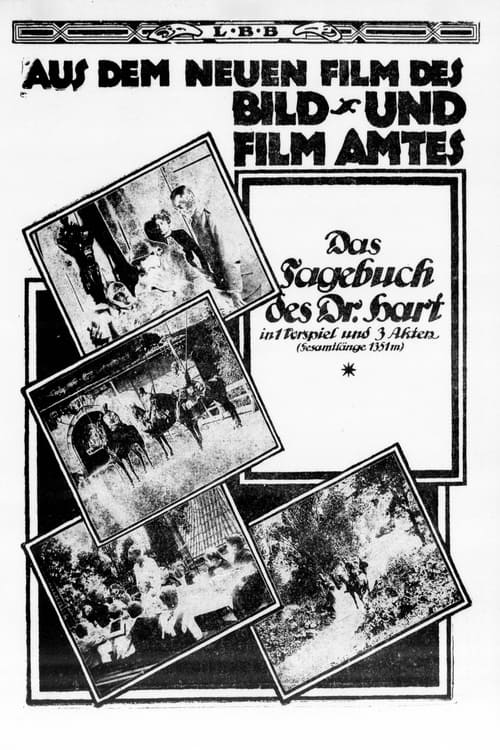
Dr. Robert Hart visits his friend Ursula von Hohenau in Saxony in July 1914. There he hears about the Austrian ultimatum to Serbia. He immediately returns to his home town where, just before mobilisation, he meets the Polish count Bransky and his daughter Jadwiga, the French Vicomte Latour and the Russian counsellor of embassy count Bronislaw Krascinsky. Bronislaw is madly in love with Jadwiga and jealous of Dr. Hart. After the outbreak of the war Dr. Hart works close to the Polish frontlines. Bronislaw leads the Russian troops in this area. When Bronislaw is wounded during a battle with the Germans Dr. Hart finds him and takes care of his wounds.
1933
1925
1956
2017
1934

1915
1929
2009
No reviews yet. Be the first to share your thoughts on this movie!
Use the rating form above to leave a star rating and optional review.