Poverty, Inc.
2015
No user ratings available yet
Representation score: 4.4 out of 10
Representation Score
Limited
2008
Not RatedDirector
Philippe Diaz
Runtime
106 minutes
Average Rating
No ratings yetNew Showbiz Analysis
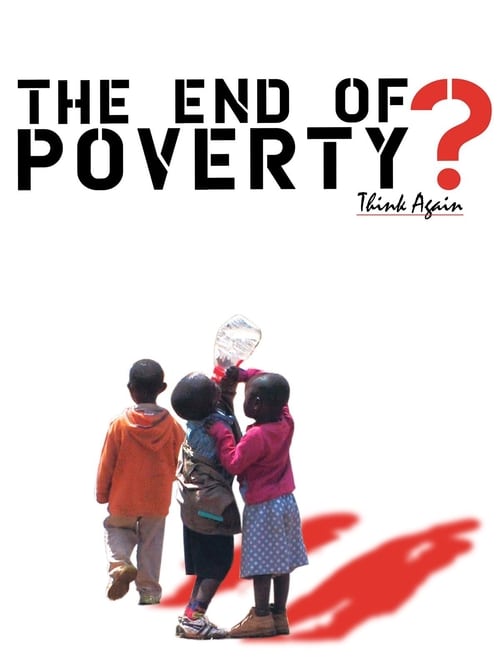
Philippe Diaz’s documentary offers a critical look at global economic structures using a post-colonial framework. It shifts the focus from individual misfortune to systemic issues, framing poverty as a result of historical institutional policies. The film's primary strength lies in its radical critique of Western economic dominance. By centering the Global South and featuring diverse intellectuals, it challenges the traditional Western-centric view of economic discourse. However, the film's narrow focus on macro-economics leads to a lack of representation for LGBTQ+ and disability identities. It also fails to explore how poverty specifically impacts different genders.
Category Breakdown
The documentary focuses on macro-economic and geopolitical structures. There is no specific focus on LGBTQ+ identities or non-traditional gender expressions.
The film's main focus is on socioeconomic issues rather than gender-specific topics. It does not deeply examine how poverty affects different genders.
The film highlights the impact of colonial history on modern economic conditions by focusing on the Global South. It centers voices from developing nations and uses a post-colonial perspective.
The narrative challenges Western-led institutions like the IMF and World Bank. It frames the struggle for economic justice through a critique of Western dominance and capitalist structures.
The film does not address neurodivergence, physical disabilities, or chronic illnesses in its analysis of economic structures.
Present on Screen
Limited or Absent
Official Synopsis
The End of Poverty? asks if the true causes of poverty today stem from a deliberate orchestration since colonial times which has evolved into our modern system whereby wealthy nations exploit the poor. People living and fighting against poverty answer condemning colonialism and its consequences; land grab, exploitation of natural resources, debt, free markets, demand for corporate profits and the evolution of an economic system in in which 25% of the world's population consumes 85% of its wealth. Featuring Nobel Prize winner Amartya Sen and Joseph Stiglitz, authors/activist Susan George, Eric Toussaint, Bolivian Vice President Alvaro Garcia Linera and more.
2015

2018
2009

2000

2003
2015
2019
2013
No reviews yet. Be the first to share your thoughts on this movie!
Use the rating form above to leave a star rating and optional review.