The Cook in Trouble
1904
No user ratings available yet
Representation score: 1.6 out of 10
Representation Score
Good
1900
Not RatedDirector
Georges Méliès
Runtime
1 minutes
Average Rating
No ratings yetNew Showbiz Analysis
Georges Méliès employs surrealism to disrupt physical reality and conventional logic. The film's strength lies in its early subversion of social and physical stability through fantasy. However, the work lacks complexity in reflecting multiple aspects of identity. It operates within the limited sociopolitical frameworks of 1900s France, resulting in a lack of visible racial or LGBTQ+ diversity. Ultimately, the film is a foundational experiment in cinematic disruption rather than a diverse character study.
Category Breakdown
The film does not include any explicit representations of LGBTQ+ identities or dynamics that challenge the assumption that everyone is straight or cisgender. The plot revolves around a supernatural comedic conflict.
The main conflict involves a cook and a proprietor. While their genders are not explicitly stated, the film uses bodily transformations to challenge traditional social roles.
There is no indication of a diverse or non-white cast. The film reflects the homogeneous visual style typical of early European silent cinema.
The story critiques social hierarchies by showing a worker using chaotic actions against an authority figure. This disrupts established systemic order through a fantastical lens.
The decapitated protagonist presents a radical physical alteration that challenges the normative human form. It remains unclear if this alteration serves as a meaningful exploration of lived experiences.
Present on Screen
Limited or Absent
Official Synopsis
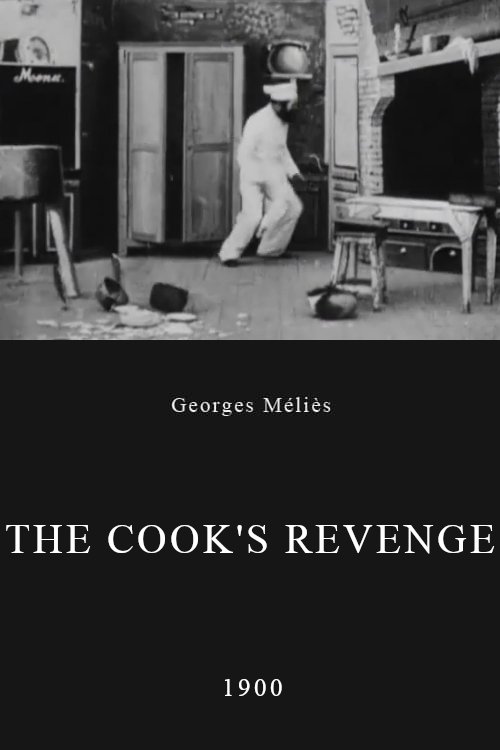
A decapitated cook wreaks havoc on the restaurant proprietor.
1904
1900

1901
1905
1904
1906
1898
1897
No reviews yet. Be the first to share your thoughts on this movie!
Use the rating form above to leave a star rating and optional review.