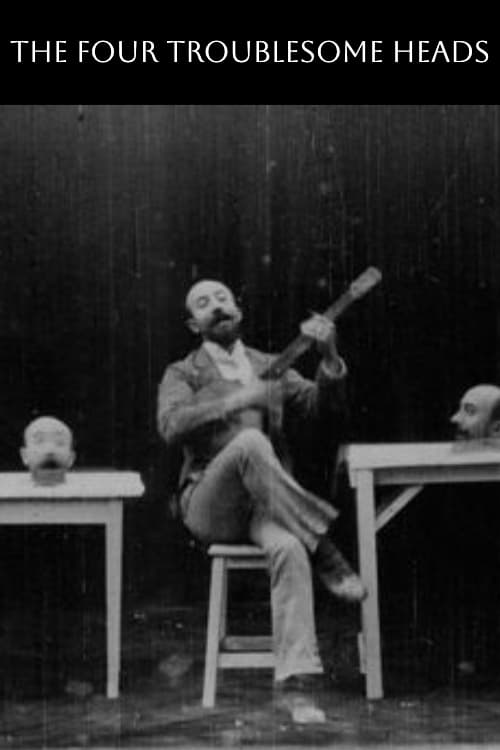
The Four Troublesome Heads
1898
No user ratings available yet
Diversity score: 3.9 out of 10
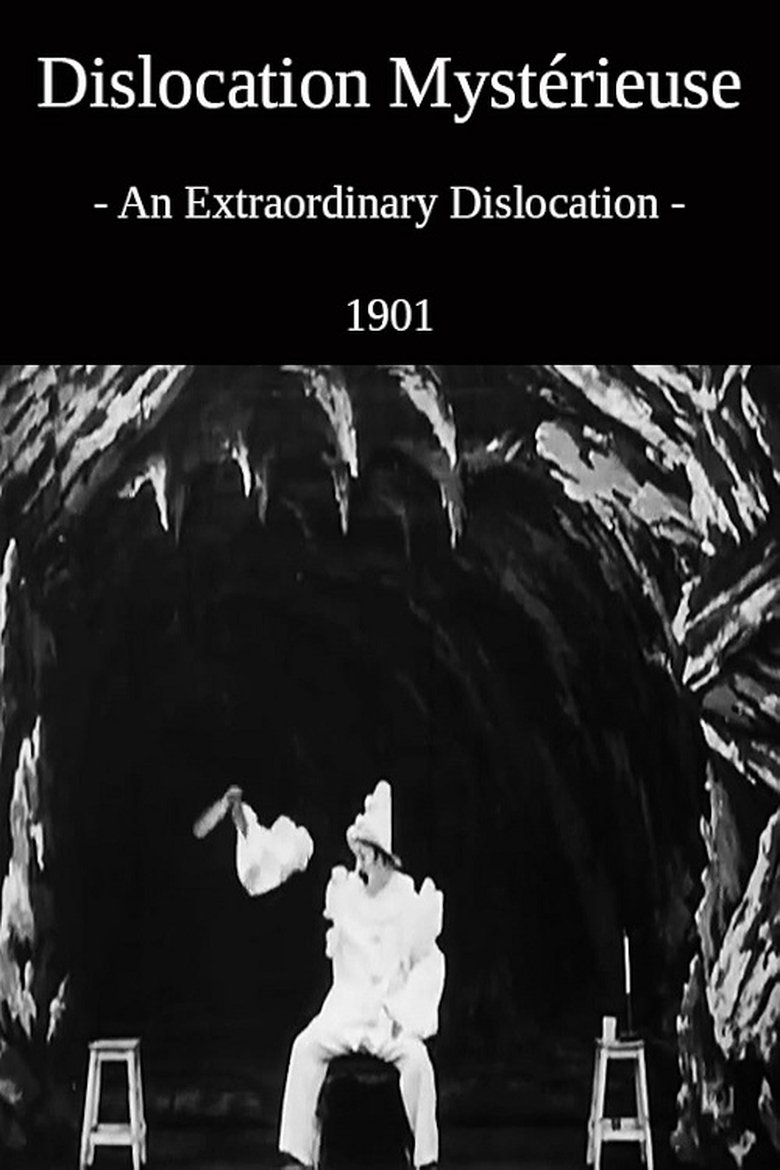
1901
Director
Georges Méliès
Runtime
2 minutes
Average Rating
No ratings yetSynopsis
A clown performs various feats of magic based on his ability to detach and reattach different parts of his body.
Overall Score
Fair
Category Breakdown
LGBTQ+ Representation
The film lacks explicit character identities or romantic pairings. The focus remains on the mechanics of the illusion rather than interpersonal dynamics or non-cisnormative identities.
Gender Representation
The narrative centers on a singular male performer. While it avoids reinforcing hierarchies through a female cast, it fails to provide a platform for diverse gender roles.
Racial & Ethnic Diversity
The film features a homogeneous cast typical of early 20th-century European cinema. There is no evidence of racial blending or diverse ethnic metaphors within this short.
Religious & Cultural Diversity
The work leans toward secular escapism by prioritizing magic over predictable reality. However, it lacks explicit anti-institutional or anti-capitalist themes.
Disability Representation
The clown's ability to detach body parts functions as a metaphor for bodily fluidity. The performance focuses on skill mastery rather than 'inspiration porn.'
Strengths
Areas for Improvement
AI Analysis
Georges Méliès uses early cinematic trickery to challenge perceptions of bodily integrity. The film's strength lies in its surrealist approach to physical reality, which disrupts traditional biological norms through comedic spectacle. However, the production is limited by the historical homogeneity of the era. The lack of intersectional character depth and the absence of a diverse cast result in a narrow narrative scope. Ultimately, while the film's technical innovation subverts the 'natural order' of the human form, it remains a product of its time, prioritizing illusion over social representation.
1898
1900
1897
1905
1909
1901
1903
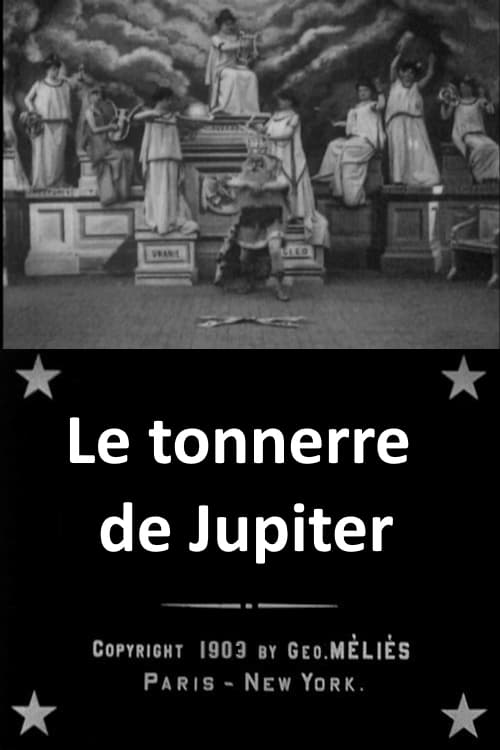
1903
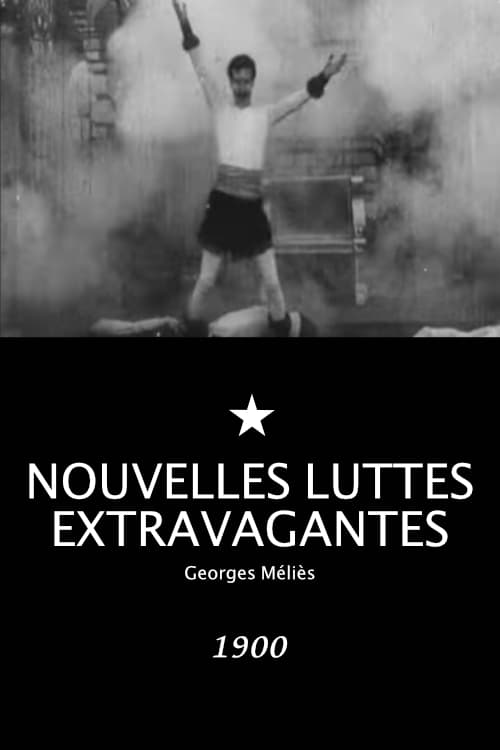
1900
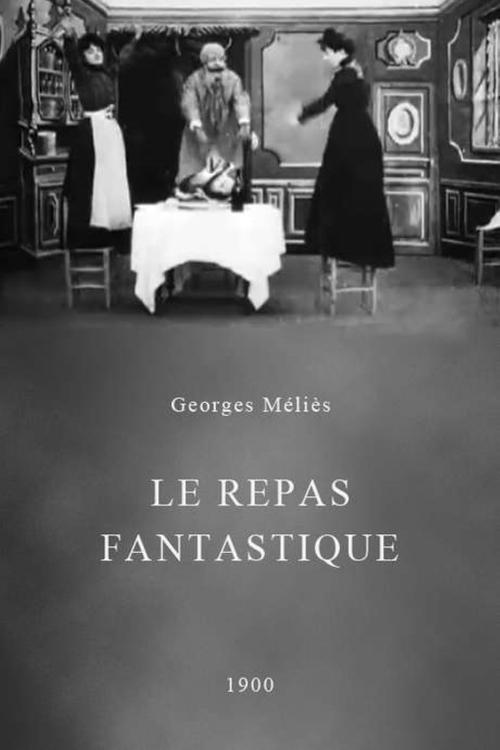
1900
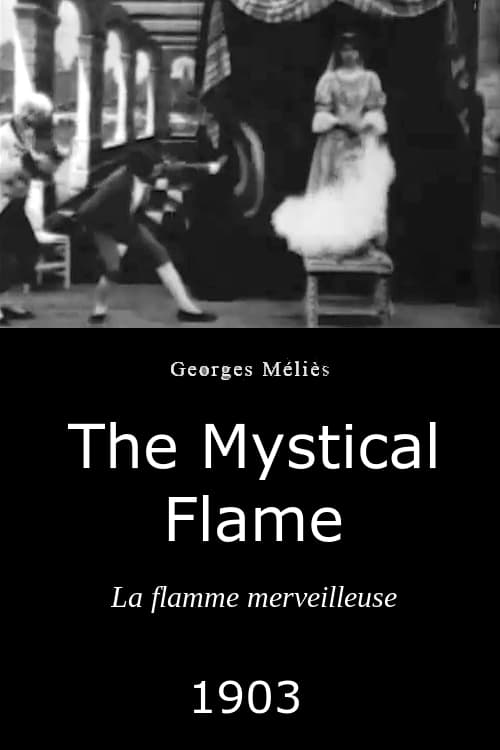
1903
1898
No reviews yet. Be the first to share your thoughts on this movie!
Use the rating form above to leave a star rating and optional review.