
Star Boys
2017
No user ratings available yet
Representation score: 5.7 out of 10
Representation Score
Excellent
1995
Director
Darezhan Omirbayev
Runtime
76 minutes
Average Rating
No ratings yetNew Showbiz Analysis
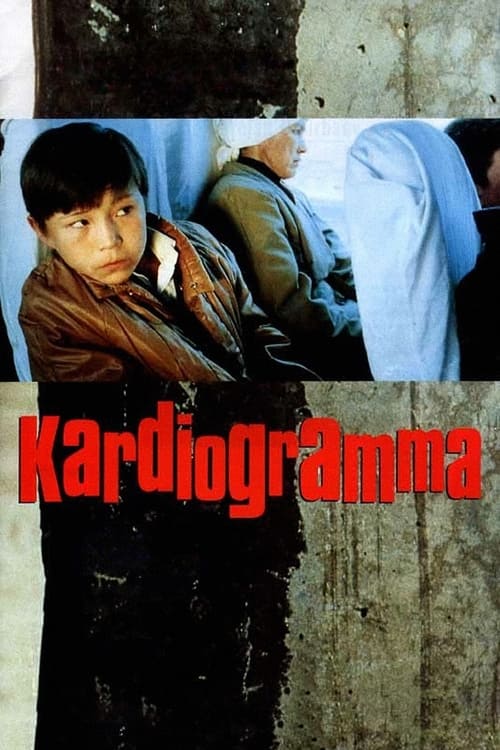
Cardiogram is a nuanced coming-of-age drama that explores post-colonial identity. By focusing on a Kazakh boy navigating a Russian-speaking institution, the film highlights the tension between indigenous culture and systemic cultural dominance. The film's strength lies in its realistic portrayal of physical vulnerability and emotional development. It avoids common clichés by integrating the protagonist's medical condition and intense emotional fixations into his identity formation. While the film offers a strong critique of social and linguistic exclusion, it remains somewhat limited in its explicit representation of diverse identities beyond the central ethnic and gender dynamics.
Category Breakdown
The film captures the intensity of a first crush and the experience of sexual awakening. It avoids overly sanitized portrayals of adolescence without confirming specific LGBTQ+ identities.
The story centers around a young boy's emotional journey. The nurse serves as a complex influence rather than a passive or submissive character.
The film highlights the struggles of a Kazakh boy facing linguistic exclusion in a Russian-speaking environment. It offers a sophisticated look at cultural dominance within educational settings.
The movie portrays the clinic as a place of social isolation. It focuses on the protagonist's search for belonging amid dominant cultural influences.
A heart condition drives the protagonist's journey into the wider world. The narrative integrates physical health issues into his psychological growth, avoiding simplistic pity.
Present on Screen
Limited or Absent
Official Synopsis
A 12-year-old boy from the isolated steppes in Kazakhstan has first encounter with the outside world when he is sent to a children's clinic with a treatable heart condition. It is here that he gets his first taste of the pain and pleasure of love when he falls for a kindly young nurse. His crush becomes a bit of an obsession, he spies on her frequently and experiences his first moments of sexual awakening. Also at the institution everyone speaks Russian and soon Jasulan will face exclusion in his own country.
2017

2014
2014
2013
2008
1996

1999

1975
No reviews yet. Be the first to share your thoughts on this movie!
Use the rating form above to leave a star rating and optional review.