
I Hate My Best Friends' Kids
2007
No user ratings available yet
Diversity score: 3.8 out of 10
2018
Director
François Desagnat
Runtime
100 minutes
Average Rating
No ratings yetSynopsis
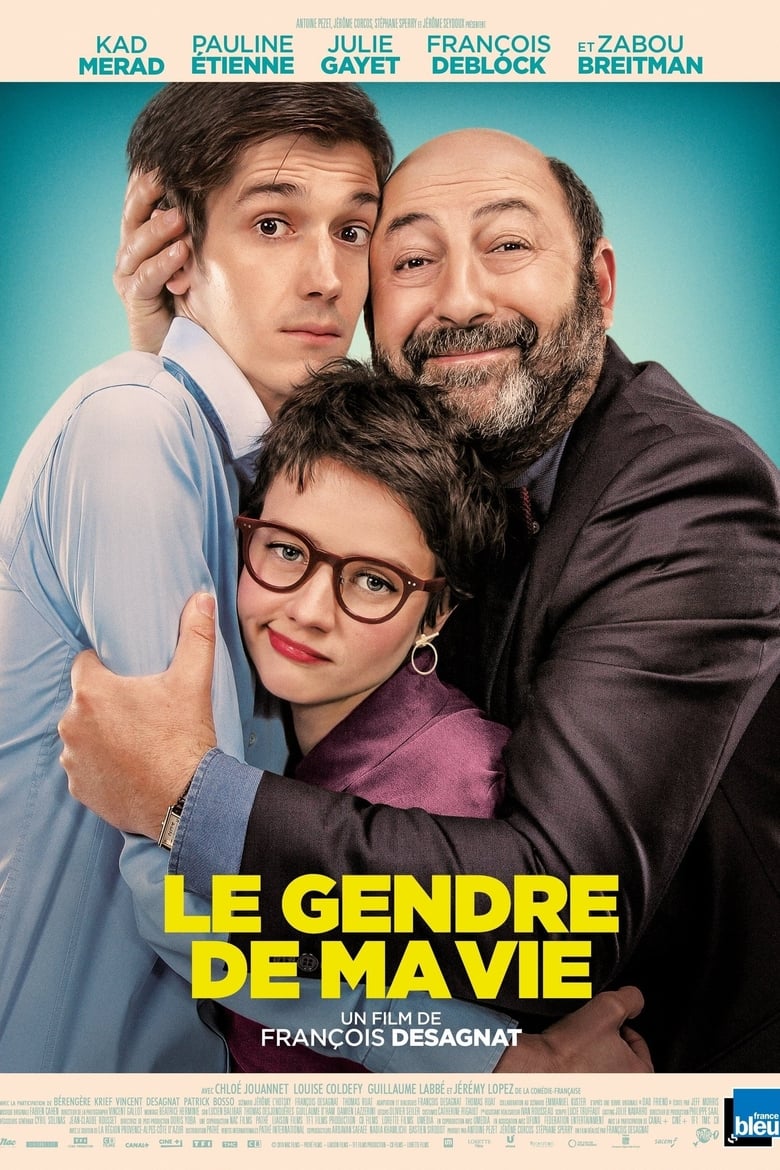
Stéphane defers his frustration at not having had a son on his sons-in-law. So when her younger daughter decides to leave a rugby player than the idolatrous father for a doctor he can not stand, he will do everything to get his son-in-law back. His daughter will not let it go.
Overall Score
Limited
Category Breakdown
LGBTQ+ Representation
The film focuses on heteronormative family dynamics and patriarchal expectations. There is no evidence of queer romantic arcs or non-cisnormative identities within the narrative.
Gender Representation
A daughter acts as a primary agent of resistance against her father's control. However, the framework remains anchored in traditional gendered roles regarding lineage and marriage.
Racial & Ethnic Diversity
The story centers on specific social archetypes within a localized domestic setting. It appears to follow a conventional, homogeneous casting model typical of the genre.
Religious & Cultural Diversity
The plot explores tensions between generational authority and individual choice. It operates within the framework of the nuclear family rather than critiquing Western institutions.
Disability Representation
The narrative provides no information regarding characters with physical, neurodivergent, or mental health conditions.
Strengths
Areas for Improvement
AI Analysis
Dad Friend operates as a traditional domestic comedy that prioritizes character-driven conflict over social subversion. The plot centers on a father's struggle with his daughter's marital choices, reinforcing conventional family structures. While the female lead demonstrates agency by asserting her autonomy against paternalistic pressure, the film lacks intersectional depth. It relies on established social archetypes, such as the athlete versus the professional, to drive its humor. Ultimately, the film adheres to standard genre conventions. It does not attempt to deconstruct systemic hierarchies or provide diverse representation across racial, queer, or disability-focused spectrums.
2007

2016
1984
2019

2012

2016

2016
2017

2019
2020
2016

2015
No reviews yet. Be the first to share your thoughts on this movie!
Use the rating form above to leave a star rating and optional review.