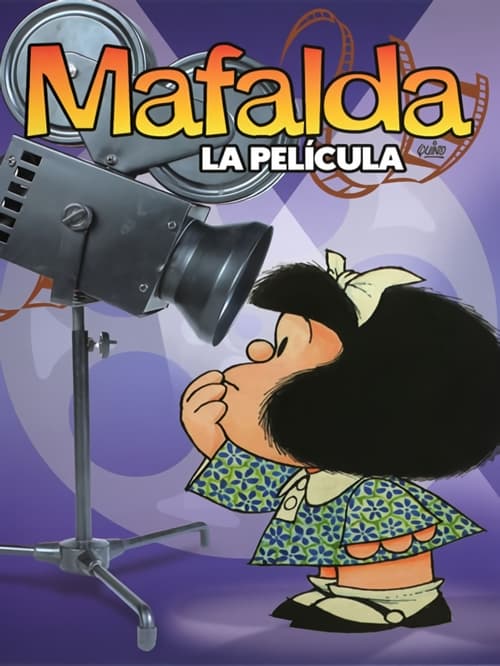
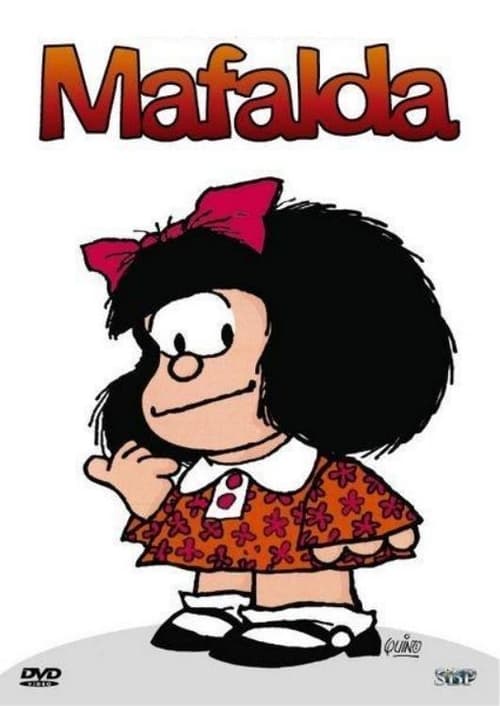
Mafalda: The Movie
1982
No user ratings available yet
Representation score: 6.7 out of 10
Representation Score
Excellent
1993
Director
Juan Padrón
Runtime
78 minutes
Average Rating
No ratings yetNew Showbiz Analysis
Juan Padrón’s adaptation of Quino’s work serves as a sophisticated critique of mid-20th-century social structures. By focusing on the skeptical viewpoint of a child, the film dismantles traditional hierarchies of age and authority. The film’s strength lies in its progressive narrative structure, which subverts gendered expectations and deconstructs systemic power dynamics. It offers a unique South American perspective that resists standardized Western depictions of childhood. However, the film lacks explicit representation of LGBTQ+ identities and disability. While it avoids harmful stereotypes, these areas remain underrepresented within the existing character dynamics.
Category Breakdown
The film does not focus on LGBTQ+ identities or non-cisgender expressions. However, it avoids traditional romantic hierarchies by emphasizing the intellectual lives of children.
Mafalda challenges conventional gender roles by being the main intellectual force in the story. Her social awareness and critical thinking often surpass those of the adults around her.
The film highlights regional identity and social class rather than racial uniformity. This offers a detailed look at South American social structures that contrasts with Anglo-centric narratives.
The narrative stands out by criticizing traditional Western institutions such as religion and capitalism. It promotes a secular, questioning attitude that values critical thinking over blind obedience.
The film does not include characters with visible or invisible disabilities. The narrative focuses on the socio-political and philosophical insights of the main characters.
Present on Screen
Limited or Absent
Official Synopsis
Second feature film based on the famous characters of the Argentine cartoonist Joaquín Lavado, better known as Quino.
1982
2011
1993
1980
2008
2014
1998

2014
No reviews yet. Be the first to share your thoughts on this movie!
Use the rating form above to leave a star rating and optional review.