Yes-People
2020
No user ratings available yet
Representation score: 4.8 out of 10
Representation Score
Good
2002
Director
Stepan Koval
Runtime
10 minutes
Average Rating
No ratings yetNew Showbiz Analysis
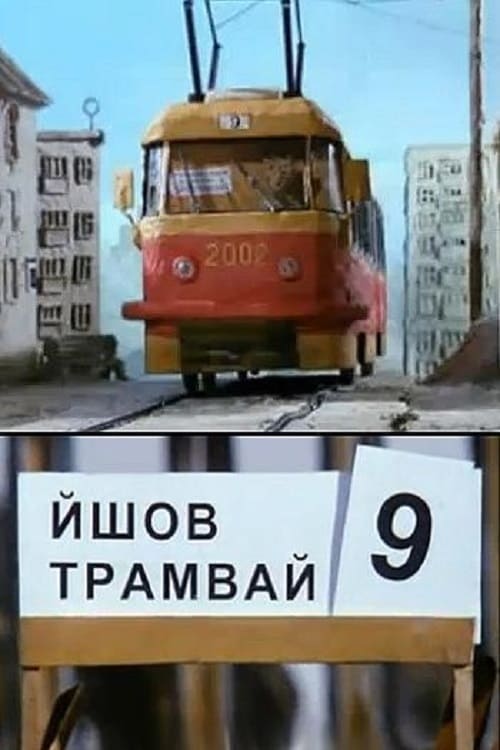
Stepan Koval’s claymation film serves as a micro-sociological study of urban life. By using a crowded tram as a confined setting, the film replaces a traditional hero's journey with a collective ensemble of diverse, interconnected characters. The work excels at capturing localized cultural identity and the unvarnished complexities of communal life. It trades sanitized storytelling for a vivid, witty look at the friction inherent in everyday human experiences. While the film lacks explicit evidence of multi-layered identity politics or specific LGBTQ+ narratives, its strength lies in its commitment to social realism and regional specificity.
Category Breakdown
The film focuses on universal human struggles and interpersonal conflicts without explicitly mentioning non-straight relationships or same-sex intimacy.
Characters navigate messy social dynamics, such as troubles with children and personal traumas. This avoids idealized gender roles in favor of unpolished, realistic social interactions.
The animation centers on the lived experiences of common Ukrainians, providing high cultural specificity and avoiding the homogenized perspectives often found in globalized media.
The narrative prioritizes social realism and the chaos of the human condition. It explores shared, messy realities through discussions of TV series and public disputes.
It is unclear if neurodivergence or physical disabilities are central to the story. However, the claymation medium allows for exaggerated portrayals of emotional and physical states.
Present on Screen
Limited or Absent
Official Synopsis
A morning tram over-occupied with passengers, but more and more people are trying to get in there. Inside, the life fountains. Someone talks about their troubles with children, somebody experiences a personal trauma, others can not stand up to quarrel, neighbors discuss a TV-series... All the events where usually, at least in the days this cartoon was created, common Ukrainians are involved in on their way to job-places is shown in this curious, vivid and witty claymation.
2020
1999
1986

1999

2019

2020
2012
2004
No reviews yet. Be the first to share your thoughts on this movie!
Use the rating form above to leave a star rating and optional review.