ゆるゆり、
2019
No user ratings available yet
Representation score: 6.3 out of 10
Representation Score
Fair
1996
NOT RATEDAverage Rating
No ratings yetNew Showbiz Analysis
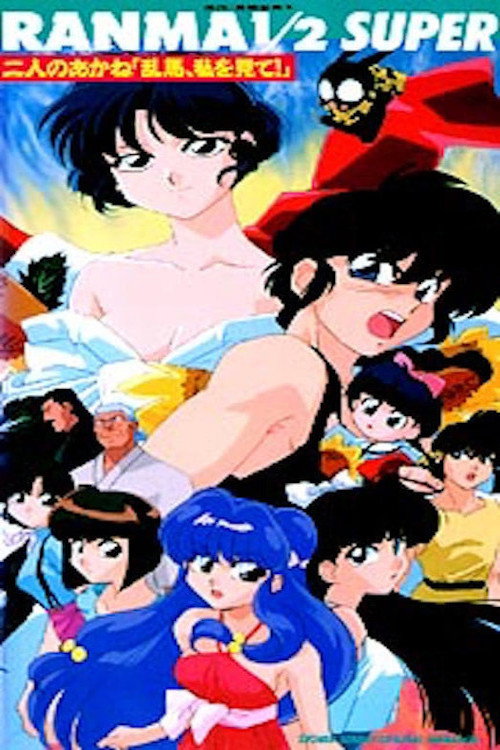
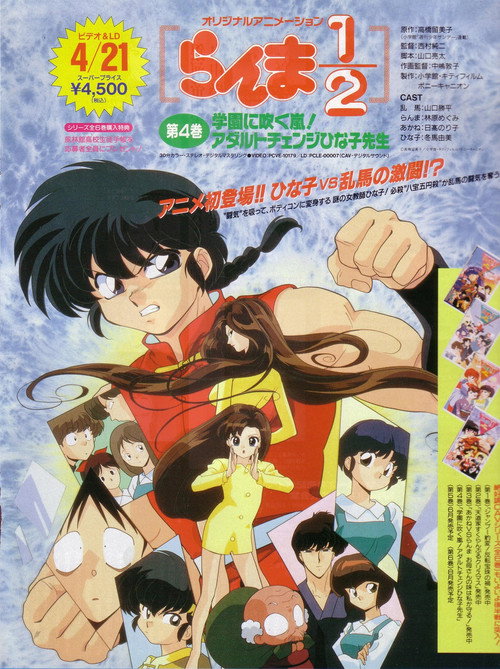
This OVA within the Ranma ½ franchise stands out for its subversion of traditional gender norms. Through its central premise of physical transformation and the portrayal of male characters in vulnerable roles, it challenges conventional masculinity. Female characters are given significant combat ability to act and intellectual autonomy, further disrupting traditional gender hierarchies. However, the production is limited by its cultural and racial homogeneity. Reflecting its Japanese origins, the show lacks significant ethnic diversity among its characters. Additionally, there is no representation of characters with disabilities. Overall, the work offers a sophisticated exploration of gender fluidity and social subversion, though it remains culturally localized.
Category Breakdown
The main character experiences frequent changes between male and female presentations, which are often used for comedic effect. These shifts introduce a consistent theme of gender fluidity that challenges rigid views of gender.
The series challenges traditional gender roles by showing male characters in vulnerable situations and female characters with strong combat skills and intellectual independence, often surpassing their male counterparts.
The cast predominantly features characters from a similar ethnic background, reflecting the show's Japanese origins. There is limited diversity in the ethnic representation of the characters.
The narrative undermines conventional social norms by emphasizing individualistic pursuits and using dysfunctional interpersonal relationships as a source of comedic relief.
There is no evidence of characters navigating visible or invisible disabilities. No specific instances of disability are used as a narrative device in this context.
Present on Screen
Limited or Absent
2019

2022
1994

2014
1995
1993
1988
1994
No reviews yet. Be the first to share your thoughts on this movie!
Use the rating form above to leave a star rating and optional review.