
King Lavra
1951
No user ratings available yet
Representation score: 1.4 out of 10
Representation Score
Fair
1971
Director
Jannik Hastrup, Flemming Quist Møller
Runtime
41 minutes
Average Rating
No ratings yetNew Showbiz Analysis
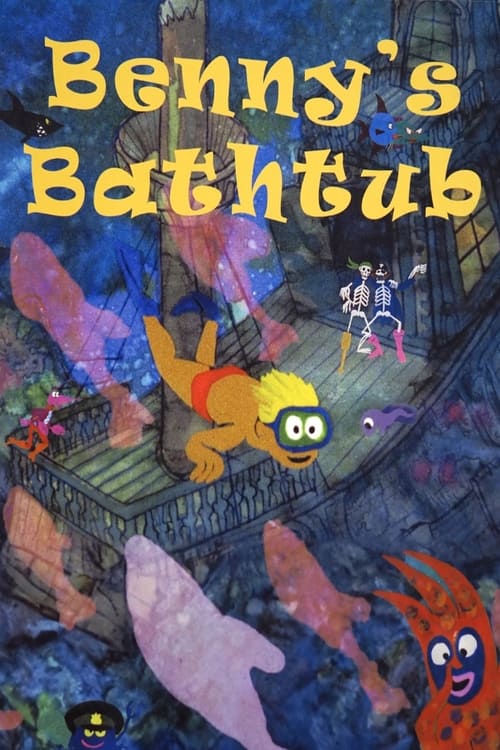
Benny's Bathtub uses animation to critique the rigidity of adult societal structures. It celebrates individual ability to act against a standardized, institutionalized world. However, the film lacks specific representation regarding race, sexual orientation, or disability. Its strength lies in its thematic subversion of authority rather than demographic breadth.
Category Breakdown
The film does not include explicit LGBTQ+ characters or non-straight relationships. The focus is on a child's imaginative world rather than identity-driven themes.
The story centers on a young boy's perspective, presenting the adult world as a uniform entity. This approach subtly challenges traditional male-dominated hierarchies and strict social rules.
The setting reflects a relatively homogeneous social landscape typical of mid-century Europe. There is no indication of multi-ethnic casting or the use of racial metaphors.
The film contrasts vibrant imagination against a sterile, organized society, prioritizing personal experience and individual empowerment over institutional norms.
There are no characters portrayed with visible or invisible disabilities. The narrative does not use disability as a storytelling device.
Present on Screen
Limited or Absent
Official Synopsis
A boy explores the hidden depths of his bathtub in a grey world dominated by boring adults.
1951
1991

1961

2010
1983

2001
1960

1948
No reviews yet. Be the first to share your thoughts on this movie!
Use the rating form above to leave a star rating and optional review.