Aurora
2015
No user ratings available yet
Representation score: 1.4 out of 10
Representation Score
Minimal
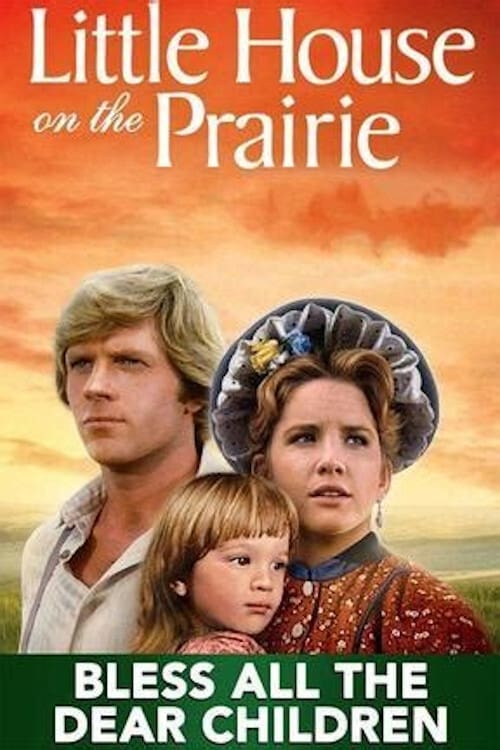
1983
TV-PGDirector
Victor French
Runtime
90 minutes
Average Rating
No ratings yetNew Showbiz Analysis
This production upholds traditional Western values, emphasizing social stability and cohesion. It prioritizes established social, religious, and familial norms over diverse representation. The film adheres to mid-20th-century moral standards, focusing on community resilience and social harmony. This results in a homogeneous cast and a story reinforcing existing social norms. Overall, the work minimally disrupts traditional storylines, reinforcing the ideal of the frontier family unit and its cultural traditions.
Category Breakdown
The film does not include any LGBTQ+ characters or non-straight relationships. It focuses solely on traditional nuclear families and heterosexual relationships.
The story emphasizes 19th-century gender roles, highlighting male providers and female homemakers. Women have little influence over the story's direction.
The cast is mostly white, reflecting the historical demographics of the American frontier. There are no significant minority characters who drive the plot.
Christianity provides the moral foundation for the community. The story highlights stable family structures and social unity through shared faith.
The film does not prominently feature characters with disabilities or neurodivergence. Emotional struggles related to losing a child serve as plot devices.
Present on Screen
Limited or Absent
Official Synopsis
During preparation for Christmas baby Rose Wilder is kidnapped by the woman who recently lost her child. Looking for her Laura, Almanzo and Mr Edwards meet lonely orphan boy, who finally stays with that woman.
2015
1937

2012
1985
1936

1946
1945
1982
No reviews yet. Be the first to share your thoughts on this movie!
Use the rating form above to leave a star rating and optional review.