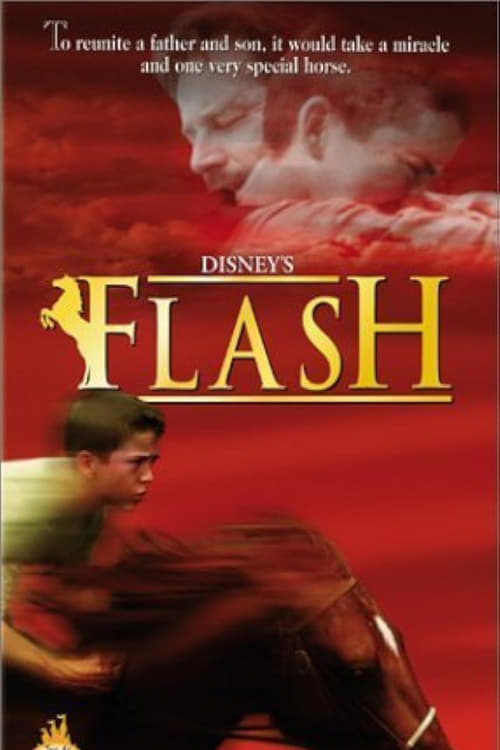
Flash
1997
No user ratings available yet
Representation score: 2.0 out of 10
Representation Score
Minimal
1959
ApprovedDirector
James B. Clark
Runtime
77 minutes
Average Rating
No ratings yetNew Showbiz Analysis
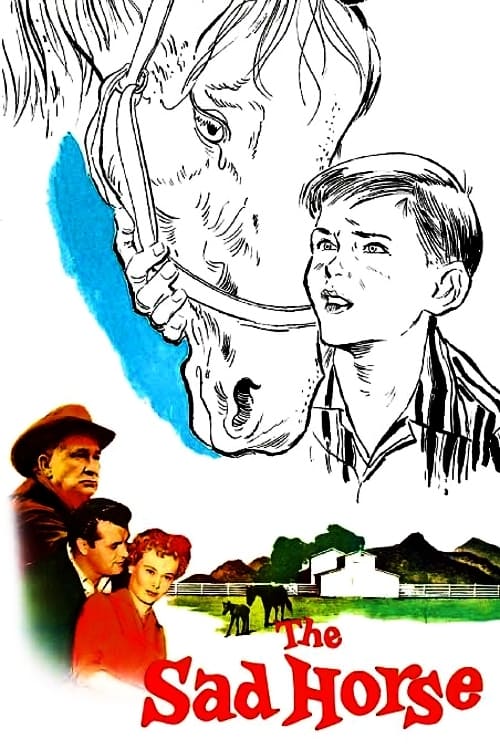
The Sad Horse is a conventional mid-century family drama that emphasizes traditional narrative structures. Its focus on the emotional bond between a child and an animal keeps the scope narrow and centered on individual experience rather than systemic exploration. Produced in 1959, the film reflects the era's social norms. The storytelling reinforces existing cultural hierarchies and adheres to the standard, homogeneous casting and gendered clichés of the period. Ultimately, the film serves as a sentimental period piece. It lacks the complexity needed to address the overlapping aspects of identity or challenge the social norms of its time.
Category Breakdown
The film does not include any non-straight relationships or same-sex intimacy, sticking to the assumption that everyone is straight. It follows the typical family-friendly standards of the 1950s.
The story focuses on a lonely boy and his traditional masculine development. There are no indications of strong female roles or challenges to gender hierarchies.
The film lacks significant ethnic diversity or casting actors from diverse backgrounds. It seems to follow the homogeneous casting patterns common in mid-century family dramas.
The narrative follows a sentimentalist arc that upholds conventional social stability. It does not critique Western institutions, capitalism, or religious morality.
There is no evidence of characters with visible or invisible disabilities. The synopsis does not suggest any representation in this category.
Present on Screen
Limited or Absent
Official Synopsis
A lonely boy finds companionship with a horse.
1997
1945
2013
1946
2015
1957
2015
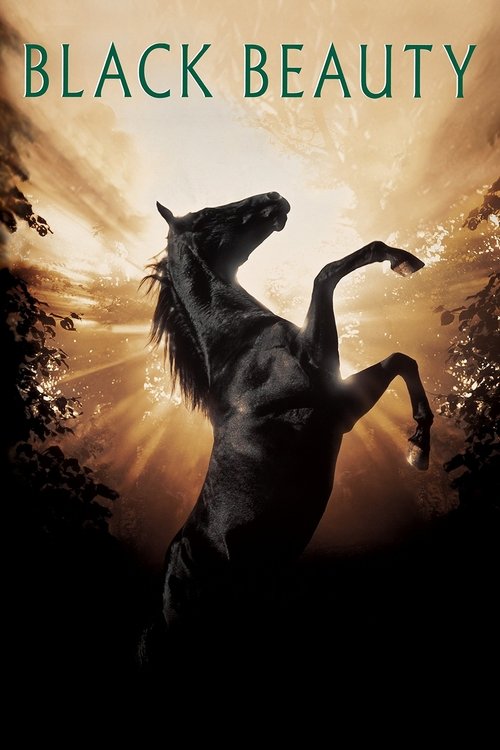
1994
No reviews yet. Be the first to share your thoughts on this movie!
Use the rating form above to leave a star rating and optional review.