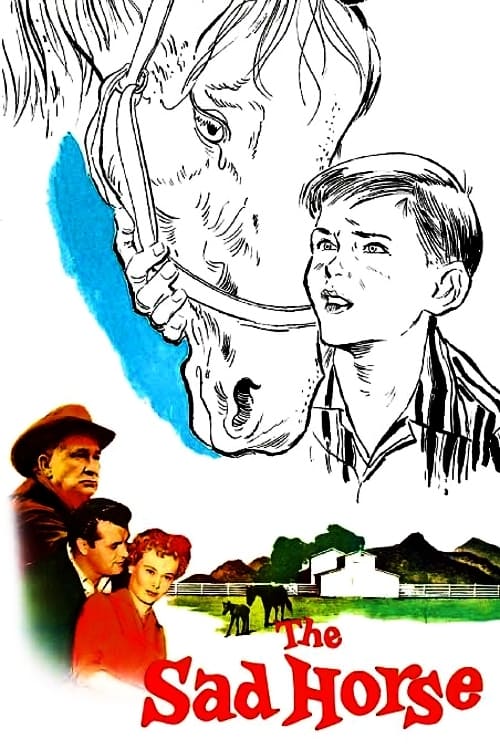
The Sad Horse
1959
No user ratings available yet
Representation score: 0.5 out of 10
Representation Score
Minimal
1956
NRDirector
Irving Rapper
Runtime
100 minutes
Average Rating
No ratings yetNew Showbiz Analysis
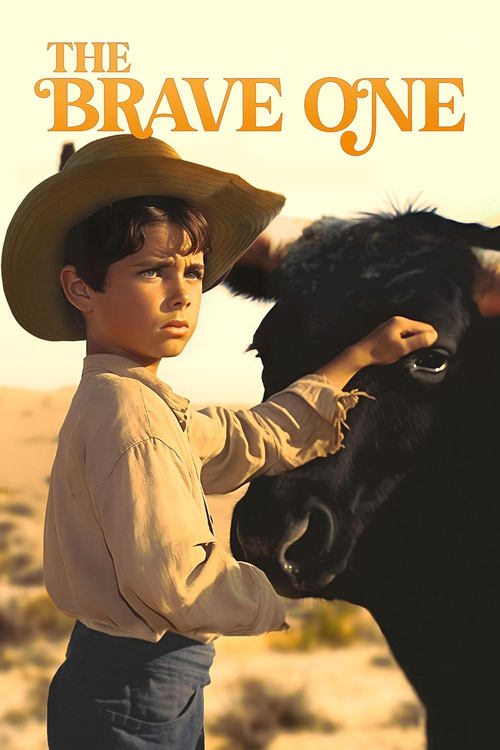
The Brave One is a traditional mid-century social drama that adheres closely to the norms of its time. The narrative centers on the moral complexities of justice and vigilantism within a standard Western framework, without challenging broader societal structures. While the film includes a Mexican boy as a central character, the overall scope remains focused on a homogeneous community. This lack of multi-layered depth, coupled with a strong emphasis on masculine authority, results in a narrow social perspective. Ultimately, the film reinforces rather than disrupts the social, gender, and racial norms of 1956.
Category Breakdown
The film does not feature any LGBTQ+ characters or expressions that go beyond the assumption that everyone is straight or cisgender.
Male characters dominate leadership roles and drive the main plot. Female characters play supporting roles within the community but do not have significant control over their own destinies.
The cast is primarily white, reflecting the demographics of the 1950s. Although a Mexican boy is central to the plot, the overall narrative lacks multi-layered depth.
The story examines the tension between legal systems and communal traditions. It highlights the fragility of established order through the lens of community stability.
The film does not include any characters with visible or invisible disabilities, nor does it use these identities as plot devices.
Present on Screen
Limited or Absent
Official Synopsis
A young Mexican boy tirelessly tries to save his pet bull from death at the hands of a celebrated matador.
1959
1946
1972
1945
2013
1962
1997
2005
No reviews yet. Be the first to share your thoughts on this movie!
Use the rating form above to leave a star rating and optional review.