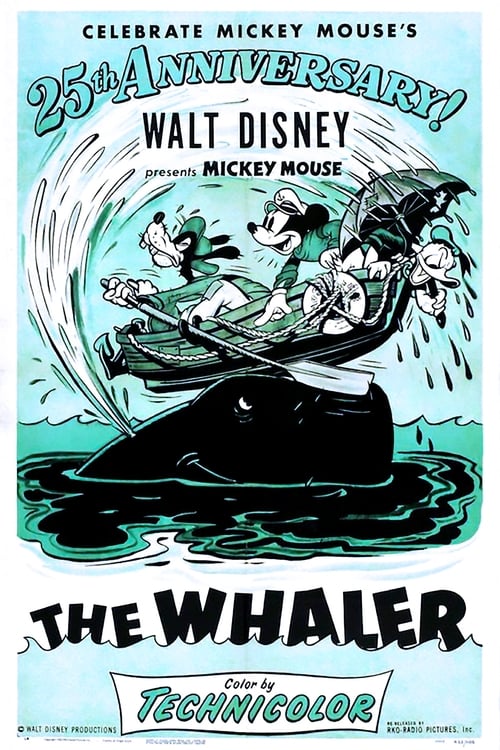
The Whalers
1938
No user ratings available yet
Diversity score: 1.9 out of 10
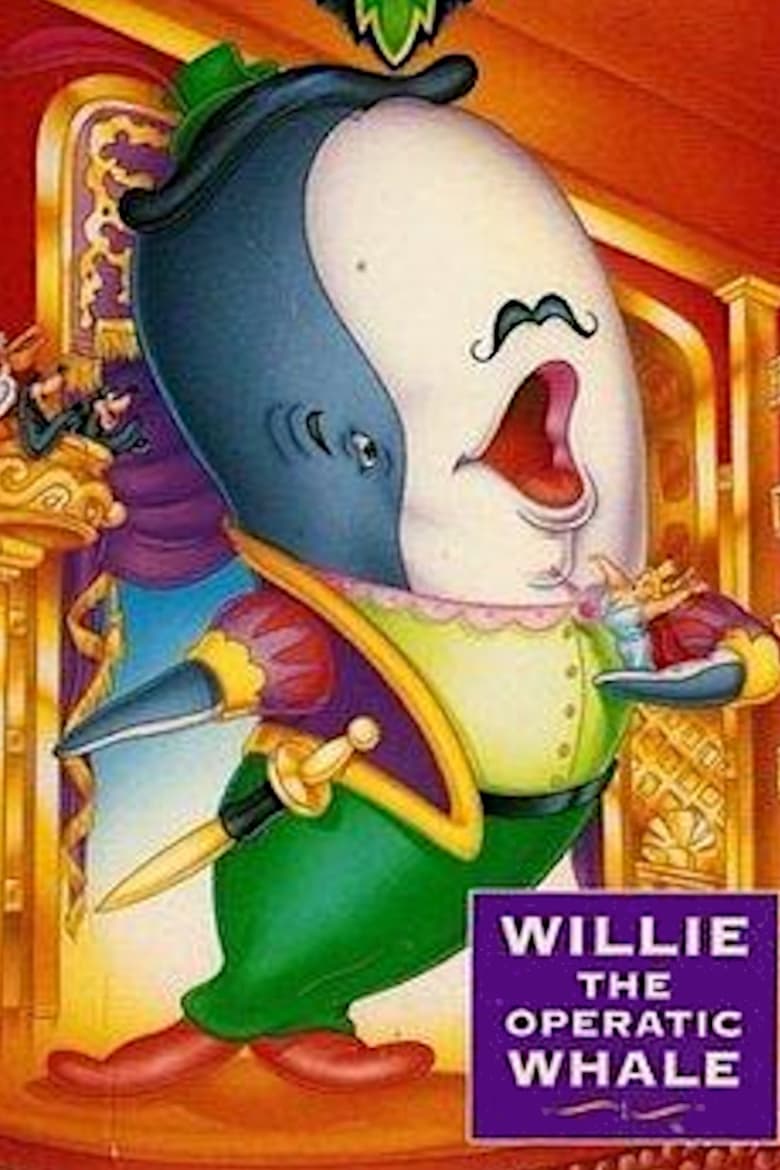
1946
NRDirector
Hamilton Luske, Clyde Geronimi
Runtime
15 minutes
Average Rating
No ratings yetSynopsis
The Metropolitan Opera is looking for the sea monster reported in newspaper headlines, because this monster sings beautifully! The "monster" is actually Willie, a whale who can sing in several voices simultaneously. A friend of his, a gull called Whitey, tells him about the searching ship, and Willie goes to audition, as it's been his ambition to perform on stage. Unfortunately, Professor Tetti Tatti from the Opera believes that one or more singers have been swallowed by the whale, and need to be rescued.
Overall Score
Limited
Category Breakdown
LGBTQ+ Representation
The film lacks any evidence of LGBTQ+ characters or non-cisnormative identities. The story focuses entirely on Willie's musical talent and the misunderstanding of his nature.
Gender Representation
The narrative centers on a male whale and his male gull companion. There is no evidence of female characters or the subversion of gender hierarchies.
Racial & Ethnic Diversity
As an animated work featuring anthropomorphic animals, the film does not engage with human racial or ethnic diversity. Characters function as biological metaphors rather than social ones.
Religious & Cultural Diversity
The film engages with the Metropolitan Opera, placing a sea creature within a Western classical music framework. It adheres to standard mid-century Western institutional norms.
Disability Representation
There is no explicit mention of neurodivergence or physical disability. Willie's ability to sing multiple voices is framed as a specialized talent rather than a disability.
Strengths
Areas for Improvement
AI Analysis
Willie the Operatic Whale functions as a traditional mid-century animated fable. It successfully subverts the 'monster' archetype by granting a predator artistic agency and sophisticated aspirations. However, the narrative lacks demographic breadth and intersectional complexity. The story relies on classic character tropes common to the 1946 era. While it explores the tension between systemic perception and individual identity, it does so within a very narrow social framework. Ultimately, the film is a character-driven piece about misunderstood nature rather than a work that engages with diverse human social identities.
1938
1948
1957
1948
1938
1945
1962
1975
1938

1953
1944
1937
No reviews yet. Be the first to share your thoughts on this movie!
Use the rating form above to leave a star rating and optional review.