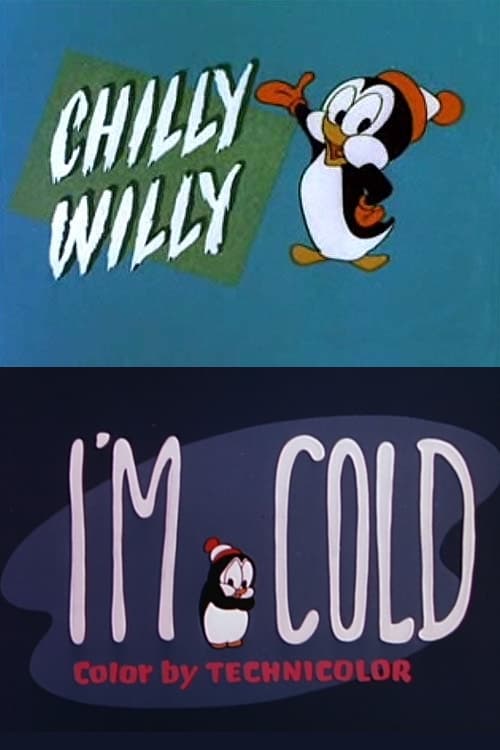
I'm Cold
1954
No user ratings available yet
Representation score: 3.3 out of 10
Representation Score
Minimal
1953
PassedDirector
Paul J. Smith
Runtime
6 minutes
Average Rating
No ratings yetNew Showbiz Analysis
Chilly Willy is a product of mid-century slapstick animation, focusing on physical comedy rather than social commentary. Because the cast consists entirely of anthropomorphic animals, the film lacks a framework for human characters who reflect more than one aspect of diversity. The narrative prioritizes situational irony and survival. It maintains the status quo of the era's animation industry, offering no intentional disruption of traditional social hierarchies or identity-driven storytelling. Ultimately, the film functions as a standard comedic short. It lacks the depth required to engage with complex cultural, racial, or gendered identities.
Category Breakdown
The film does not depict any LGBTQ+ identities or same-sex relationships. Characters are portrayed through a gender-neutral or traditionally male perspective typical of the 1950s.
The story operates within a traditional hierarchy where competence is defined by gender roles. While Chilly Willy disrupts the established order, the characters lack gendered complexity and do not challenge traditional power dynamics.
As an anthropomorphic animation, the film lacks human racial or ethnic markers. The setting is a homogeneous, non-human environment with no evidence of diverse casting.
The story follows traditional Western storytelling structures of the era. It reinforces standard moral outcomes through comedic clichés rather than critiquing Western institutions or religious morality.
There are no depictions of visible or invisible disabilities. Physical struggles, such as seeking warmth, are presented as biological necessities rather than explorations of impairment.
Present on Screen
Limited or Absent
Official Synopsis
A schooner anchors at the South Pole, and the skipper goes ashore and leaves the ship's mascot, a St. Bernard dog, to stand watch and guard the ship. A small penguin, Chilly Willy (the only penguin not equipped for cold weather...anywhere), sees the ship and tries to get warm by its stove. The watchdog attempts to get rid of him, but Willy manages to get the dog drunk from the rum in its own cask. The captain returns to find Willy saving the ship from sinking, while the dog is found sleeping it off. Willy is made mascot and the dog is tossed in the ship's brig.
1954
1964
1950
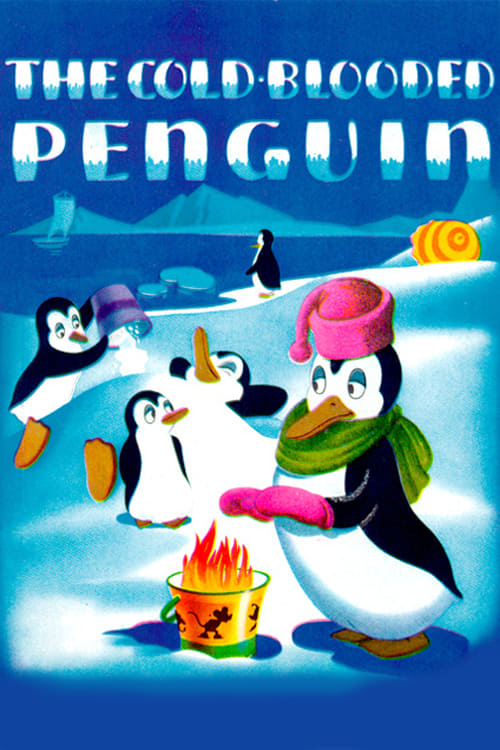
1944
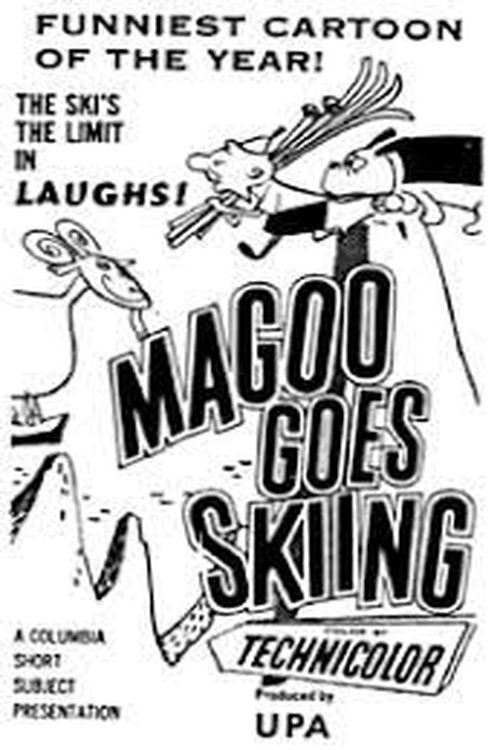
1954
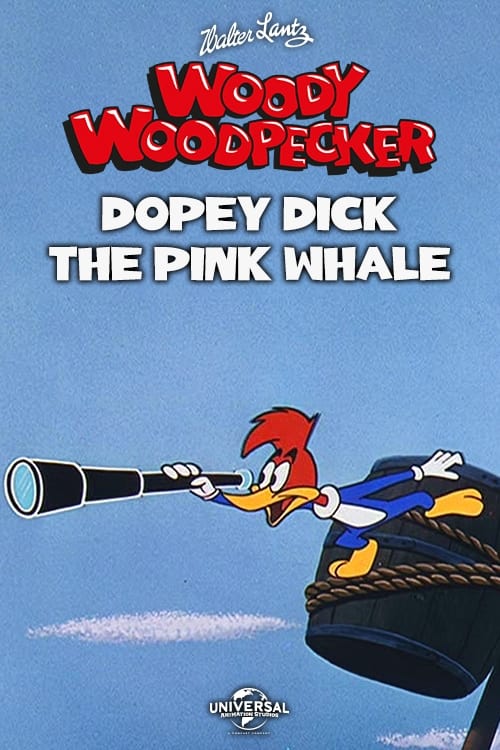
1957
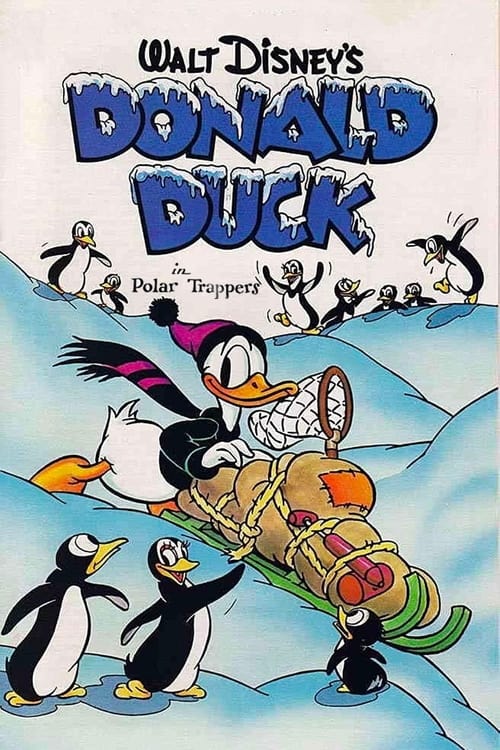
1938
1963
No reviews yet. Be the first to share your thoughts on this movie!
Use the rating form above to leave a star rating and optional review.