Calypso Cat
1962
No user ratings available yet
Diversity score: 1.4 out of 10
1962
Director
Gene Deitch
Runtime
7 minutes
Average Rating
No ratings yetSynopsis
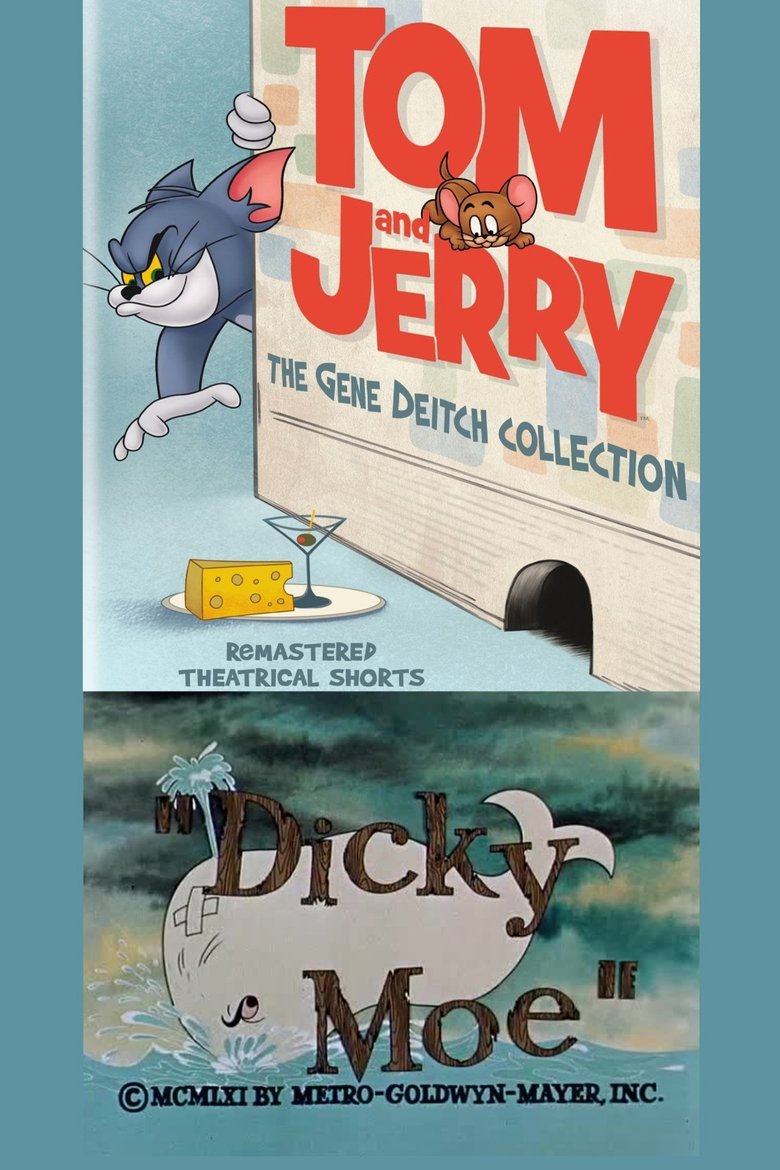
In a 19th century fishing harbor, the captain of the Komquot is obsessed with catching the great white whale Dicky Moe. His obsession unnerves his crew so badly that they all desert the ship. Shortly afterward, the captain finds Tom searching for food in the harbor, knocks him out, and takes him aboard. Tom believes at first that he is going on a cruise, but the captain soon puts him to work scrubbing the deck.
Overall Score
Limited
Category Breakdown
LGBTQ+ Representation
The film offers no evidence of LGBTQ+ characters or non-cisnormative identities. The narrative focuses entirely on a traditional maritime conflict without engaging in queer themes.
Gender Representation
The story centers on a male-dominated hierarchy consisting of the Captain and his crew. There are no female characters present to subvert these traditional masculine archetypes.
Racial & Ethnic Diversity
The cast appears homogeneous, reflecting the demographic patterns typical of mid-century Western animation. There is no indication of a multi-ethnic crew or diverse representation.
Religious & Cultural Diversity
The film explores themes of obsession and labor through a traditional lens. It lacks a systemic critique of Western institutions or class structures.
Disability Representation
There is no evidence of characters with physical, sensory, or neurodivergent disabilities within the narrative.
Strengths
Areas for Improvement
AI Analysis
Dicky Moe operates within the conventional storytelling frameworks of 1962, prioritizing a singular narrative arc centered on a classic maritime obsession. The film lacks the intentionality required to disrupt established social hierarchies or provide meaningful intersectional representation. The characters are defined by traditional archetypes, such as the obsessive leader and the laborer. This focus results in a homogeneous cast that reflects the era's standard animation tropes rather than a diverse social landscape. Ultimately, the work functions as a straightforward comedy of obsession. It does not attempt to deconstruct class, gender, or racial dynamics, remaining firmly rooted in the period's limited demographic scope.
1962
1962
1962
1935
1951
1945
1957
1964
1962
1991
1939
1945
No reviews yet. Be the first to share your thoughts on this movie!
Use the rating form above to leave a star rating and optional review.