La Sierra
2005
No user ratings available yet
Representation score: 6.6 out of 10
Representation Score
Limited
2009
Director
Jon Blair
Runtime
105 minutes
Average Rating
No ratings yetNew Showbiz Analysis
Dancing with the Devil successfully deconstructs the traditional outsider gaze by giving ability to act to the inhabitants of Rio's slums. By centering the narrative on local figures—from drug lords to preachers—it avoids treating the favelas as mere scenery for crime. However, the film's focus on the violent power struggle results in a heavy reliance on masculine archetypes, which limits the breadth of perspectives presented. Ultimately, the documentary's strength lies in its racial and cultural authenticity, challenging Western-centric views by presenting a complex, non-binary view of survival and systemic failure within a broken social ecosystem.
Category Breakdown
The film does not include any LGBTQ+ characters or narratives addressing non-assuming gender matches what was assigned at birth identities.
The narrative is heavily focused on masculine archetypes such as the drug lord and police inspector, lacking women's ability to drive the story or perspectives in the main power struggle.
The documentary highlights the inhabitants of the Coréia favelas, providing a platform for non-white subjects to drive the narrative through roles of a significant role in driving the story and leadership.
The film portrays the favela as a complex, self-contained society rather than a mere backdrop for crime, critiquing Western institutional efficacy by showing the state and church as reactionary.
There is no specific evidence regarding the depiction of physical or neurodivergent disabilities within the provided context.
Present on Screen
Limited or Absent
Official Synopsis
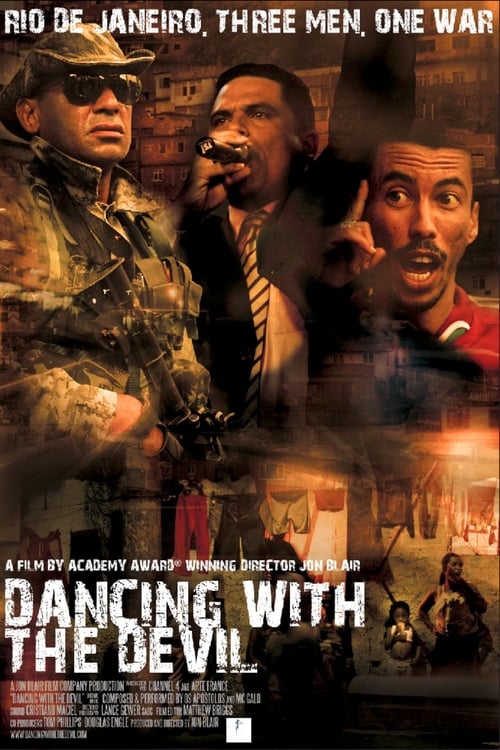
Rio de Janeiro. September, 2008. Three men stalk the gloomy back-alleys of the city's notorious slums. Spiderman, a 28-year-old drug lord, embarks on a routine patrol through the shadowy streets of Coréia, the sprawling slum he controls. Inspector Leonardo Torres, a muscle-bound operative from Rio's drug squad, inches through the alleys of another shantytown, shots ringing out around him. And Pastor Dione, an evangelical preacher intent on ending Rio's drug conflict, trawls the slums for lost souls. With unprecedented access to some of Rio's most wanted men, Dancing with the Devil in the City of God tells the story of Rio's drug war through the eyes of three men locked into one of the bloodiest urban conflicts on earth. Written by Jon Blair and Tom Phillips
2005
2002
2004
2015

1999
2012

2012
2007
No reviews yet. Be the first to share your thoughts on this movie!
Use the rating form above to leave a star rating and optional review.