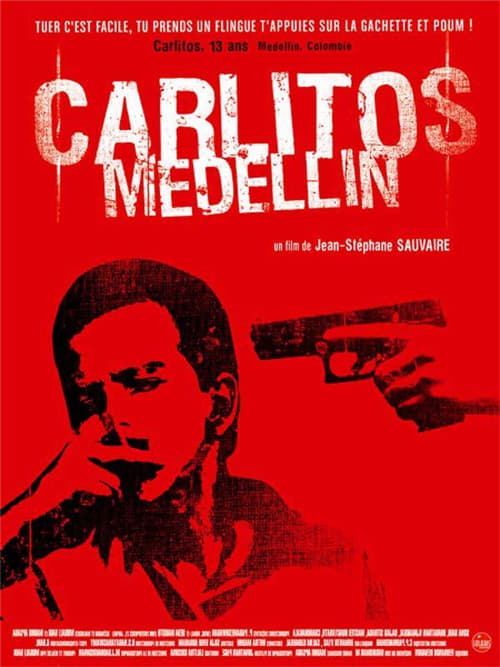
Carlitos Medellin
2004
No user ratings available yet
Representation score: 5.7 out of 10
Representation Score
Fair
2016
Director
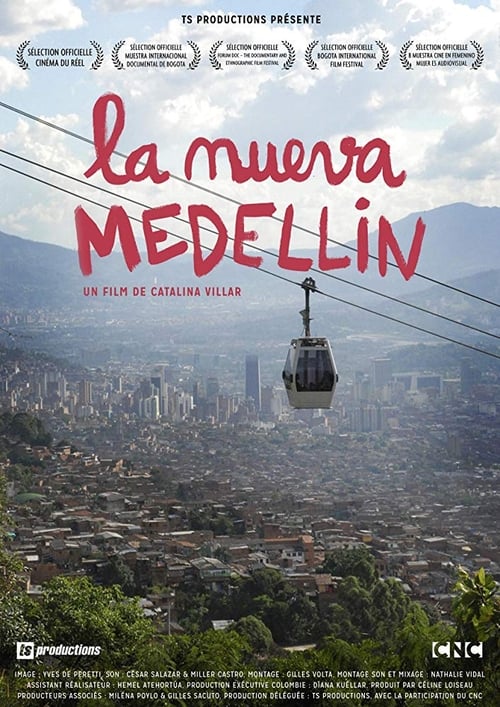
Catalina Villar
Runtime
85 minutes
Average Rating
No ratings yetNew Showbiz Analysis
La nueva Medellín offers a localized, multi-layered view of justice and memory. It succeeds by challenging conventional narratives of urban progress and highlighting the human cost of rapid societal shifts. The documentary's strength lies in its ability to disrupt Western-centric clichés. By centering the lived experiences of Medellín's citizens, it provides high ability to act to characters navigating post-conflict modernization. However, the film's focus remains heavily centered on male-driven social transformations. The lack of explicit LGBTQ+ narratives and the absence of disability representation limit its breadth of identity exploration.
Category Breakdown
The film focuses on the socio-political landscape of Medellín and personal histories. There is no explicit mention of LGBTQ+ characters or narratives exploring non-straight relationships.
The narrative centers on male subjects and their familial structures. However, the parents play a significant role in driving the story as they navigate legal systems to seek justice for their son.
The documentary provides deep immersion into a Latin American urban context. It prioritizes the perspectives of local inhabitants, disrupting traditional Anglo-centric documentary views.
The film explores the tension between rapid modernization and community stability. It critiques institutional failures by highlighting the struggles of underrepresented families seeking justice.
The film mentions the illiteracy of the parents, but there is no evidence of formal representation regarding disability or neurodivergence.
Present on Screen
Limited or Absent
Official Synopsis
Juan Carlos and his friend Manuel were still teenagers when Catalina Villar first filmed them 18 years ago in Medellin which, at the time, was the most violent city in the world. Soon after, Juan Carlos, the poet, was killed. On the eve of a time of fragile peace, his illiterate parents seek legal compensation. Manuel, who has become the leader of his neighbourhood, is confronted to the paradoxes of urban modernization in a city that has transformed too quickly. The ghost of Juan Carlos rises as a shield against oblivion.
2004
2002
2005

2020
2018
2015
2018

2002
No reviews yet. Be the first to share your thoughts on this movie!
Use the rating form above to leave a star rating and optional review.