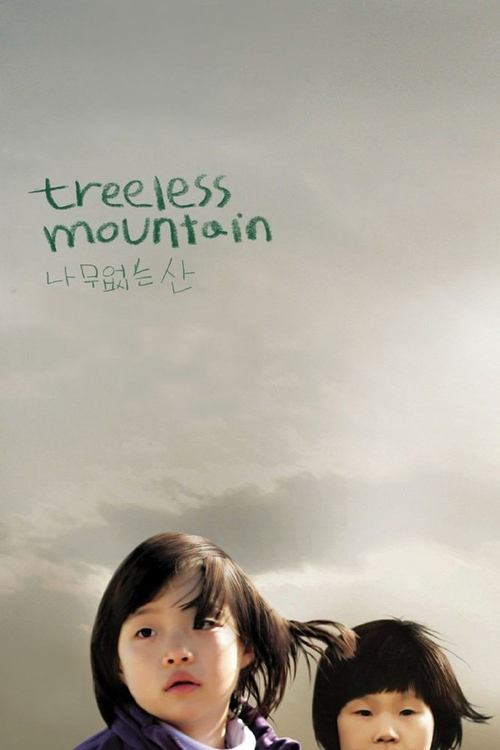
Treeless Mountain
2009
No user ratings available yet
Representation score: 6.5 out of 10
Representation Score
Fair
2009
Director
Boo Ji-young
Runtime
96 minutes
Average Rating
No ratings yetNew Showbiz Analysis
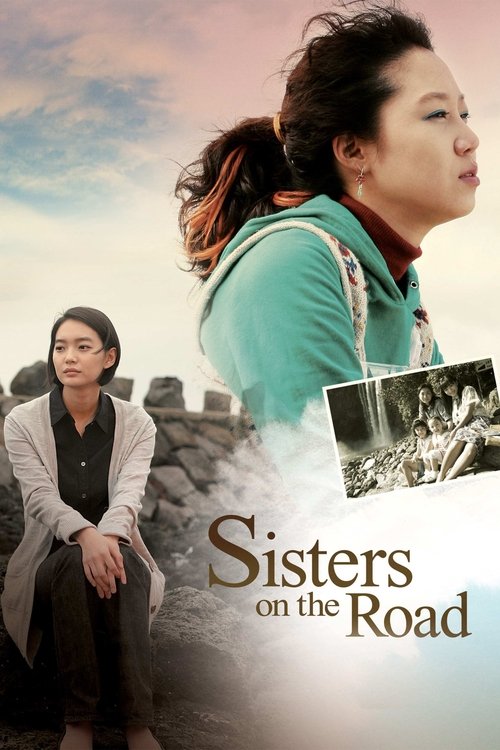
Sisters on the Road is a character-driven drama that effectively challenges traditional domestic clichés. By centering the narrative on women's ability to drive the story, the film explores the complexities of non-traditional family dynamics. The film's strength lies in its ability to dismantle the concept of the perfect family. It offers a nuanced exploration of characters living on the periphery of social norms, such as an unmarried mother and a protagonist facing the stigma of illegitimacy. While the film lacks multi-ethnic casting or explicit LGBTQ+ storylines, it succeeds in providing a sophisticated look at how identity is shaped by personal history and systemic social pressures.
Category Breakdown
The film focuses on the intricate bonds between female relatives and long-term family associates. It does not explicitly center on LGBTQ+ identities or non-straight relationships.
The narrative centers on three women navigating grief and duty independently of male guidance. Myung-eun and Myung-ju challenge traditional hierarchies regarding respectable womanhood and maternal stability.
The cast is culturally homogeneous, aligning with the specific regional setting of Jeju Island. It provides an authentic immersion into a specific South Korean cultural landscape.
The story explores themes of subjective morality and the deconstruction of the ideal family unit. It prioritizes personal truth over rigid societal expectations and traditional structures.
There is no significant evidence regarding the portrayal of physical or neurodivergent disabilities within the narrative.
Present on Screen
Limited or Absent
Official Synopsis
The sudden death of her mother brings Myung-eun back home to Jeju island. There she meets her estranged sister Myung-ju and Myung-ju's daughter Seung-ah, still living at their old home, and Hyun-ah who has lived with them for over 20 years like a relative. A career woman whose hard exterior masks her illegitimacy and abandonment issues, Myung-eun tells Hyun-ah she wants to start looking for her father after the funeral. Single-minded in her desire to dig up memories of her father and discover why he left, Myung-eun resents that Myung-ju, who like their mother is a carefree fish trader and an unmarried mother of a young daughter, seemingly doesn't care. At first Myung-ju is reluctant to accompany Myung-eun, but after Hyun-ah persuades her, guilt and her sense of duty as an older sibling prevails. And so the two sisters who are dissimilar in character...
2009
1957

2024
2002

2019

2018

2007

2019
No reviews yet. Be the first to share your thoughts on this movie!
Use the rating form above to leave a star rating and optional review.