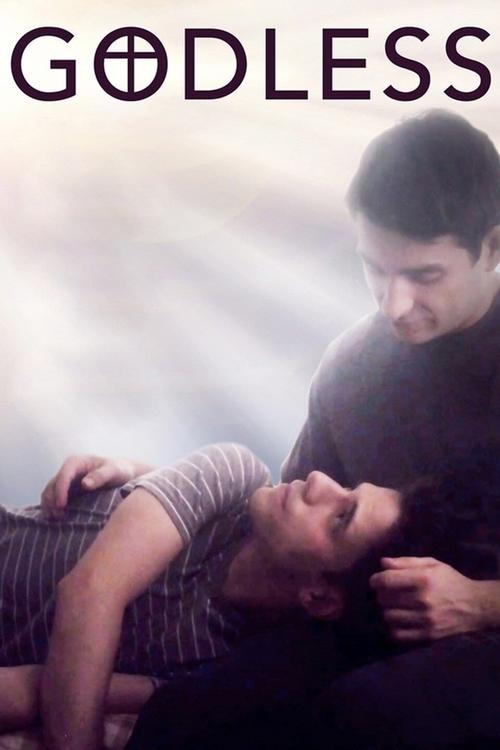
Godless
2015
No user ratings available yet
Representation score: 6.1 out of 10
Representation Score
Excellent
2007
Director
Ry Russo-Young
Runtime
80 minutes
Average Rating
No ratings yetNew Showbiz Analysis
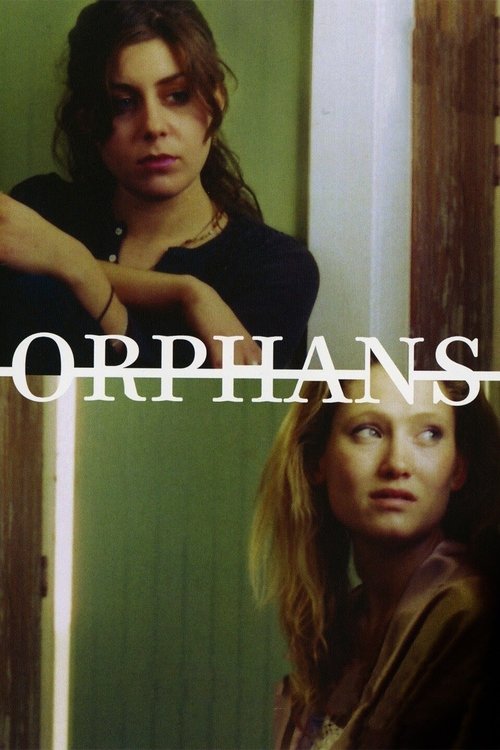
Orphans excels at subverting traditional hierarchies by centering queer identity and women's ability to drive the story. The film moves away from patriarchal structures, emphasizing the intellectual and emotional depth of its female characters. However, the film’s scope is somewhat limited regarding broader social intersections. While it captures an urban atmosphere, it lacks a meaningful exploration of racial identity or the lived experiences of people with disabilities. Ultimately, the work is a sophisticated study of identity formation that thrives in its niche, postmodern exploration of emotional instability while remaining localized in its social representation.
Category Breakdown
The film centers queer identities in the emotional lives of its main characters. Queer attractions are not used merely as plot devices but are integral to the social fabric of the story.
Female characters take prominent roles in driving the narrative. The film emphasizes the emotional intelligence and interpersonal dynamics of the sisters, challenging traditional patriarchal storytelling.
The cast includes diverse urban characters, but the narrative does not explore racial the way different parts of someone's identity overlap deeply. Race and ethnicity are not central to the story’s systemic critiques or identity politics.
The story unfolds in a world where personal beliefs shape morality. It portrays the absence of traditional family structures and religious guidance as opportunities for individual exploration.
The film does not significantly address visible or invisible disabilities. Character conflicts are framed through psychological issues and interpersonal tensions rather than lived experiences of disability.
Present on Screen
Limited or Absent
Official Synopsis
Two estranged, twenty-something sisters reunite five years after the death of their parents, and soon revisit their treacherous history.
2015
2018
2017

2003

2017

2010

2011

2007
No reviews yet. Be the first to share your thoughts on this movie!
Use the rating form above to leave a star rating and optional review.