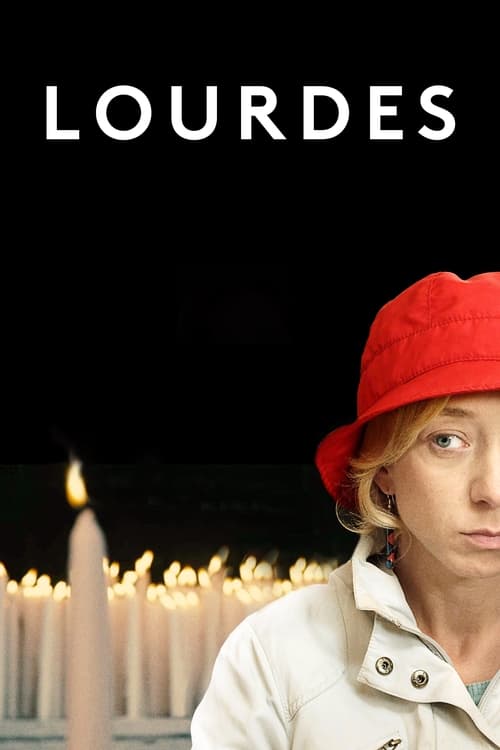
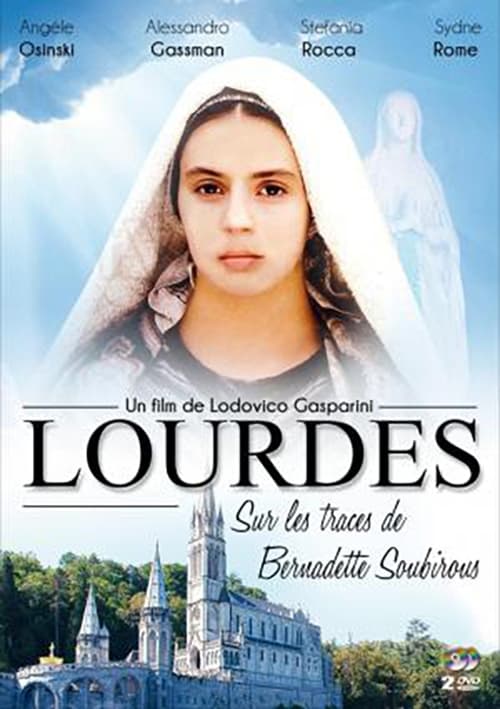
Lourdes
2009
No user ratings available yet
Representation score: 7.0 out of 10
Representation Score
Limited
2000
Director
Lodovico Gasparini
Runtime
180 minutes
Average Rating
No ratings yetNew Showbiz Analysis
Lourdes is a traditional historical drama that upholds established social and religious norms. While it explores female leadership and the impact of physical ailments, it does so within a conservative framework. The film highlights disability as a driver for philosophical reflection but lacks diverse representation.
Category Breakdown
The film doesn't include any LGBTQ+ characters or stories. The main romance focuses on Henri and Claire.
Bernadette's story emphasizes her spiritual leadership, but her influence is often filtered through existing religious and medical systems.
The cast is very uniform, reflecting the 19th-century French context. There's little diversity in cultural or racial backgrounds.
The story centers on traditional Western religious practices, focusing on reconciling faith with science without questioning religious authority.
Physical illnesses like tuberculosis and frailty play key roles in character development. The film grounds suffering in socioeconomic realities, avoiding clichés.
Present on Screen
Limited or Absent
Official Synopsis
The young, sickly girl Bernadette comes from a poverty-stricken family. When the Virgin Mary appears to her in a cavern near Lourdes, no one takes the girl seriously, even when she digs up a wellspring at the Virgin's instructions The local authorities even try to hush up the entire incident. In vain, however, because when Empress Eugénie requests water from the spring for her sickly son, they are forced to acquiesce. And even the local priest is finally convinced. While taking his tuberculosis-stricken fiancé Claire to a sanatorium, the young doctor Henri Guillaumet meets Bernadette. The water from Lourdes' spring heals Claire's disease overnight, but the scientist in Henri doubts the miracle and wants to expose Bernadette as a liar. It is not until Henri again meets Bernadette, who has in the meantime become a nun and works as a nurse, that he finds a way to balance belief and modern science. And his love for Claire is strengthened as well.
2009

1943
1982
1955
1939
1951
2011
2020
No reviews yet. Be the first to share your thoughts on this movie!
Use the rating form above to leave a star rating and optional review.