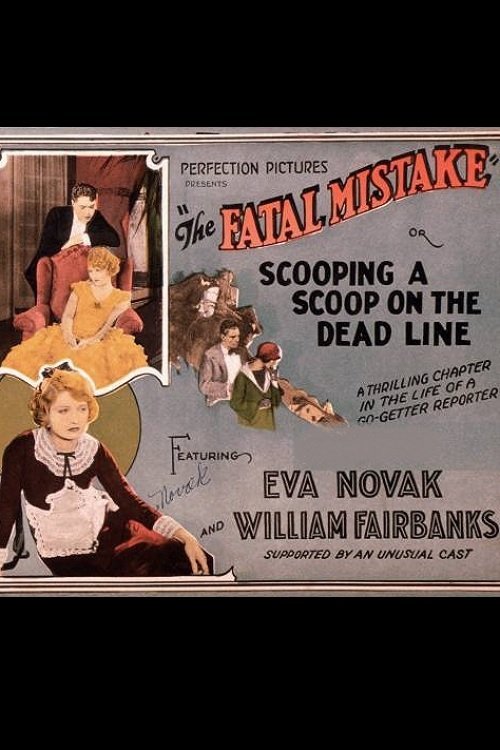
The Fatal Mistake
1924
No user ratings available yet
Representation score: 0.8 out of 10
Representation Score
Minimal
1927
PassedDirector
James P. Hogan
Runtime
65 minutes
Average Rating
No ratings yetNew Showbiz Analysis
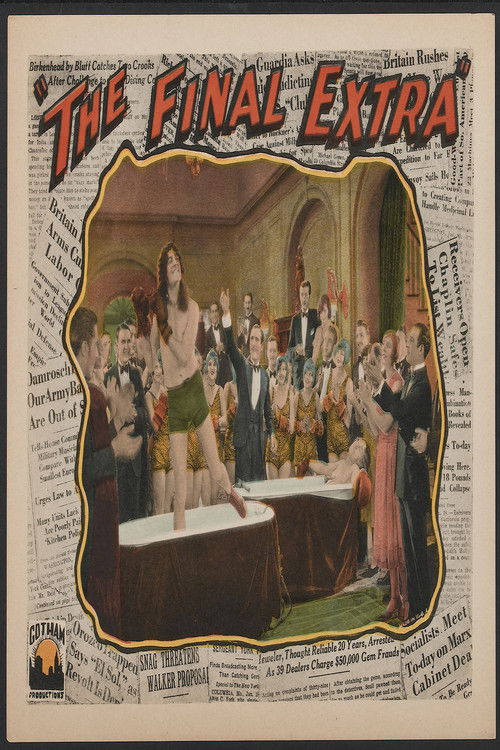
The Final Extra is a classic example of its time, relying heavily on the established clichés of silent-era crime and romance dramas. It emphasizes high-stakes settings such as newspaper offices and Broadway stages to propel its storyline. While the film effectively captures the dynamic energy of the 1920s, it does so through a limited lens. The characters are archetypal figures like the ambitious professional and the glamorous performer, without broadening the scope to include diverse identities or social structures. Overall, the film adheres to traditional genre conventions, reinforcing the social hierarchies and conventional storytelling methods prevalent in mainstream cinema of the period.
Category Breakdown
The film focuses on a traditional romantic relationship between a male reporter and a female show-girl. There are no representations of non-binary or transgender identities, nor does it critique the assumption that everyone is straight or cisgender.
The narrative uses typical 1920s gender roles. While the reporter seems to have professional influence, the show-girl role emphasizes performance without challenging professional hierarchies.
The urban Broadway setting implies a diverse city, yet the focus on a single romantic couple suggests the homogeneous casting common in 1920s films.
The film highlights the glamour of musical comedy and follows a standard crime-drama structure without critiquing institutional systems.
There is no mention of characters dealing with physical, sensory, or neurodivergent conditions within the story.
Present on Screen
Limited or Absent
Official Synopsis
The alert atmosphere of a large-city newspaper office and its giant presses combines with the back-stage atmosphere of the theatre, set against the sinister shadow of a bootleg gang and the glitter of a big musical comedy "first night" in a whirlwind of dramatic action. A hot-shot newspaper reporter and a Broadway show-girl provide the romance.
1924

1932
1935
1933
1916

1932
1926
1931
No reviews yet. Be the first to share your thoughts on this movie!
Use the rating form above to leave a star rating and optional review.