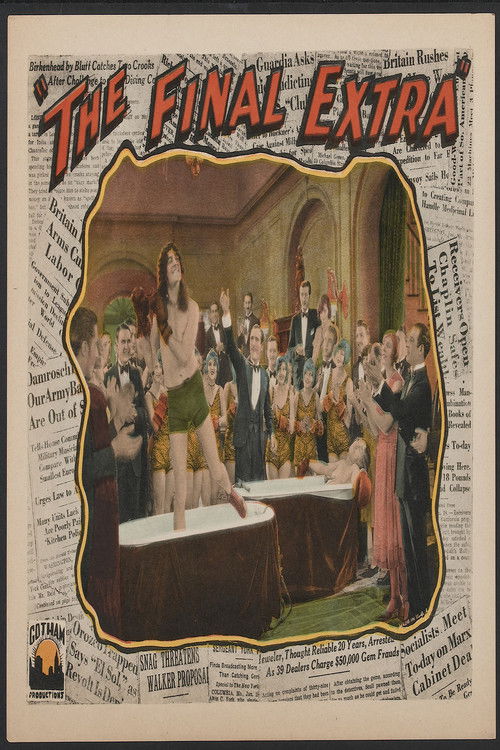
The Final Extra
1927
No user ratings available yet
Representation score: 0.6 out of 10

Representation Score
Limited
1932
NRDirector
William A. Seiter
Runtime
66 minutes
Average Rating
No ratings yetNew Showbiz Analysis
Is My Face Red? is a product of the 1930s studio system, adhering closely to the social and professional hierarchies of its time. The narrative relies on conventional gender dynamics, where female characters act as facilitators for the male protagonist's career. Representation of underrepresented groups, including LGBTQ+ individuals and diverse racial identities, is absent. The film functions as a character study of professional ethics and the consequences of reckless journalism rather than a vehicle for social subversion or multi-layered complexity.
Category Breakdown
The film does not include any representation of LGBTQ+ identities or same-sex relationships. The story revolves around a traditional romantic relationship between the male lead and his female associate.
Gender roles in the film follow a traditional division of labor. Peggy provides crucial information, while the male protagonist retains professional control as the columnist driving the narrative.
The film likely reflects the homogeneous casting standards typical of 1932 American studio productions. There is no indication of significant non-white representation or casting actors of diverse backgrounds.
The narrative focuses on media ethics and individual consequences rather than systemic critiques. It adheres to the traditional moral frameworks and Western social structures of the early 1930s.
There is no information available regarding characters with visible or invisible disabilities within the film's synopsis.
Present on Screen
Limited or Absent
Official Synopsis
William Poster writes a gossip column for the Morning Gazette. He will write about anyone and everyone as long as he gets the credit. He gets most of his information from his showgirl gal-pal, Peggy. Eventually Bill's reckless tattling gets him in deep trouble with friends and enemies, putting his career and life in jeopardy.
1927
1924
1933
1935

1938
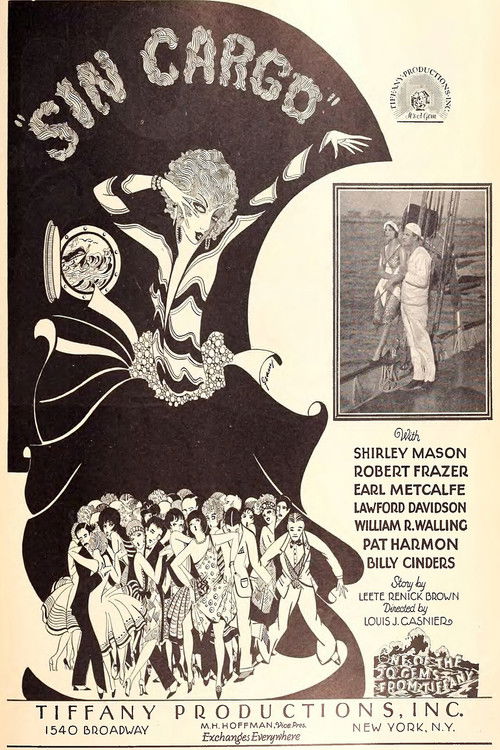
1926

1932
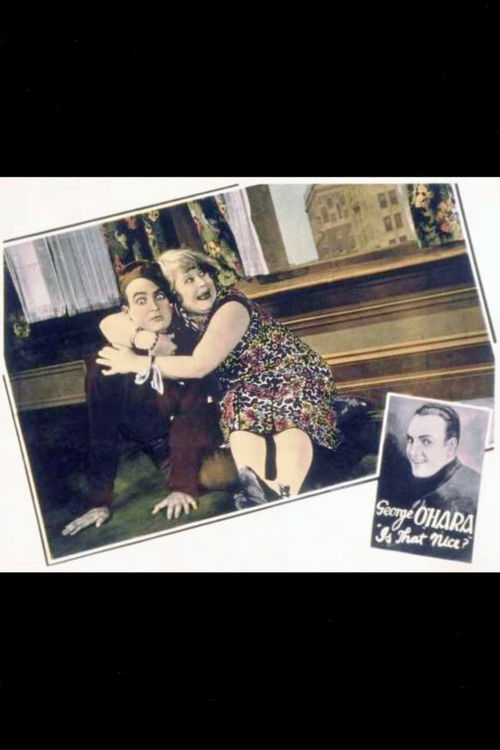
1926
No reviews yet. Be the first to share your thoughts on this movie!
Use the rating form above to leave a star rating and optional review.