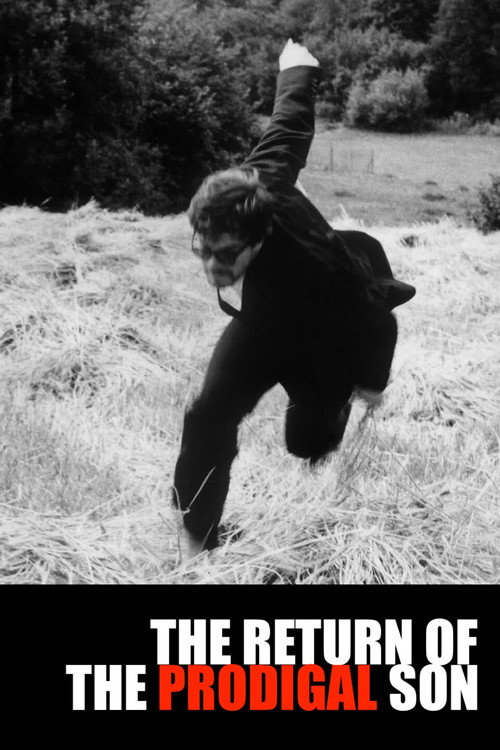
The Return of the Prodigal Son
1967
No user ratings available yet
Representation score: 5.7 out of 10
Representation Score
Good
1967
Director
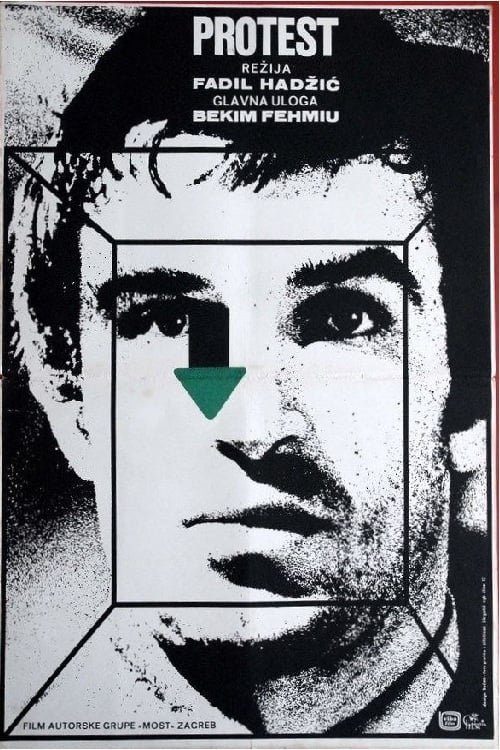
Fadil Hadžić
Runtime
84 minutes
Average Rating
No ratings yetNew Showbiz Analysis
The film opens on the grey, oppressive factory floor, grounding the narrative in labor rather than domesticity. This visual austerity establishes the sold meaning: dignity is the only currency that cannot be debased by the state or the market. Ivo Bajšić, the weary construction worker, is not a hero but a voice; his suicide is a protest against the superficiality of human relationships and the corruption of the system. The camera lingers on the workers’ hands and tired eyes, treating their exhaustion as holy, while the management’s corporate-speak is played for dry, bitter irony. The film’s argument is that material conditions shape consciousness. The men are not “toxic”; they are trapped. The women are not “prizes”; they are partners in survival. The moral arithmetic rewards endurance and solidarity over individual heroism. The last image is not a triumphant resolution but a quiet, exhausted assertion of dignity. The system itself never pays; the structure of the factory remains intact, but the workers do not lose their humanity. This is a sociological study, not a melodrama, where the face of the nation is simply the face of the worker.
Category Breakdown
Absent. All relationships depicted are heterosexual, conforming to the 1967 social realist norm. No same-sex intimacy or non-binary identities appear on screen.
Limited. Marija (Nada Subotić) serves as a supportive partner, but the narrative centers male labor and male conflict. The film critiques the factory, not the nuclear family, leaving domestic dynamics unexamined.
Present. The cast reflects Yugoslavia’s multi-ethnic reality, including Bosnian, Macedonian, and Croatian actors. Ethnicity is treated as background texture rather than a primary source of conflict or stereotype.
Central. The film positions the socialist state’s promise of worker dignity as the moral standard, critiquing its bureaucratic failure. Class hierarchy is the primary axis; the system is the villain, and solidarity is the virtue.
Absent. Physical exhaustion is shown as a consequence of labor, but no character has a specific disability or impairment that drives the plot or defines their identity.
Present on Screen
Limited or Absent
Official Synopsis
A man cannot bear the superficiality of human relationships, and when his best friend lets him down, he commits suicide by jumping off a skyscraper.
1967

1957

1976
1961
1976
1976

1975

1968
No reviews yet. Be the first to share your thoughts on this movie!
Use the rating form above to leave a star rating and optional review.