
A Room with a Sea View
1978
No user ratings available yet
Representation score: 5.8 out of 10
Representation Score
Fair
1976
Director
Andrzej Trzos-Rastawiecki
Runtime
84 minutes
Average Rating
No ratings yetNew Showbiz Analysis
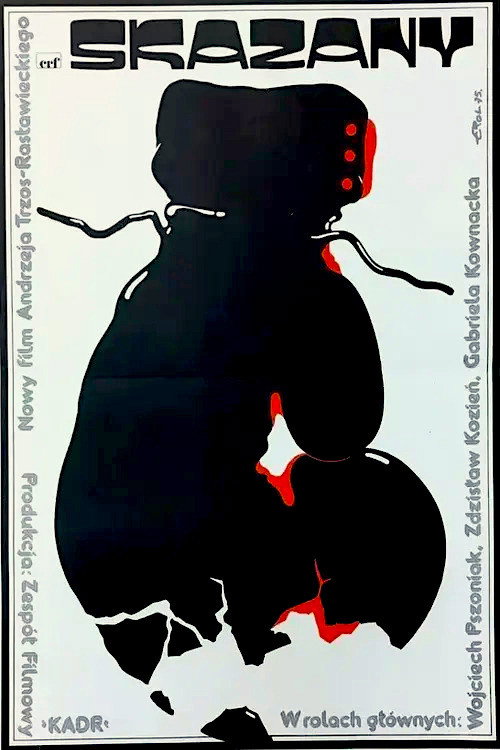
Convicted (1976) is a traditional drama that emphasizes existential and legal themes over diverse representation. The narrative focuses on the conflict between an individual and institutional authority, particularly regarding a man's inability to prevent his brother's suicide. While the film provides a nuanced exploration of systemic pressures and morality, it lacks diversity in terms of gender, race, and LGBTQ+ identities. The production reflects the social and casting norms typical of mid-70s European cinema.
Category Breakdown
The film does not include any explicit LGBTQ+ characters or narratives. The main conflict revolves around family and legal issues rather than sexual orientation or gender identity.
The story follows a traditional dramatic structure centered on a man's legal struggle. There are no indications of female characters or the subversion of gender hierarchies.
Given its status as a Polish production from 1976, the cast is likely to be ethnically homogeneous. The film does not actively engage with multi-ethnic or diverse casting.
The story examines the tension between personal morality and state-mandated laws. It highlights the individual's ethical struggle against the rigidity of institutional judgment.
There is no evidence that disability, neurodivergence, or mental health conditions play a central role in the narrative or as character traits.
Present on Screen
Limited or Absent
Official Synopsis
A man is tried in court for failing to help his brother to avoid suicide.
1978

1989

1950

1985

1959

1967

1993

1967
No reviews yet. Be the first to share your thoughts on this movie!
Use the rating form above to leave a star rating and optional review.