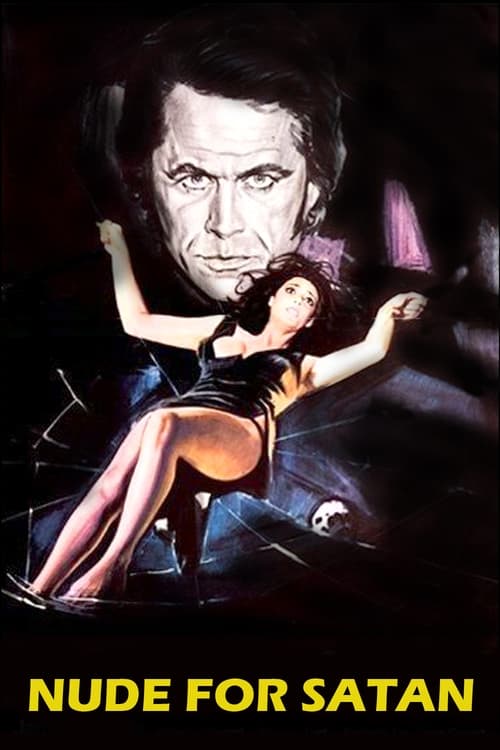
Nude for Satan
1974
No user ratings available yet
Diversity score: 2.8 out of 10
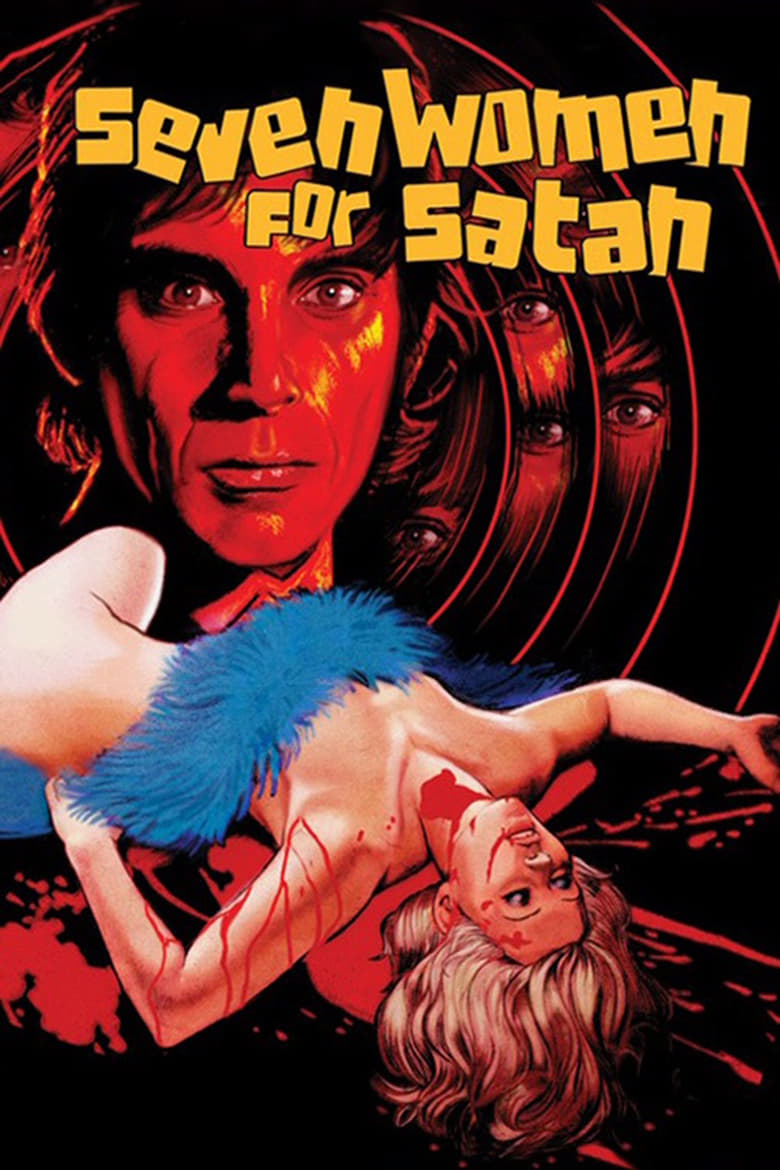
1976
Director
Michel Lemoine
Runtime
82 minutes
Average Rating
No ratings yetSynopsis
Boris Zaroff is a modern businessman who is haunted by his past -- his father was the notorious Count Zaroff of The Most Dangerous Game fame. Consequently, Boris is subject to hallucinations and all-too-real social lapses which normally involve sadistic harm to beautiful naked young women. His butler is sworn to indoctrinating him into the evils of the family line, and their castle's torture dungeon proves quite useful in this regard. However, Boris is periodically lured away from his destiny by the romantic apparition of the deceased countess who previously owned the castle.
Overall Score
Minimal
Category Breakdown
LGBTQ+ Representation
The film lacks discernible LGBTQ+ characters or non-heteronormative identities. Interpersonal dynamics operate within traditional social frameworks, offering no significant presence of queer identity.
Gender Representation
While the narrative centers on a female ensemble, it does not necessarily subvert gender hierarchies. Women drive the mystery, but characters often operate within high-society expectations.
Racial & Ethnic Diversity
The setting depicts an aristocratic, high-society environment that appears racially homogeneous. There is no evidence of non-white majority casts or race-bent casting within this Eurocentric structure.
Religious & Cultural Diversity
The film utilizes occult and ritualistic themes to serve horror genre requirements. It does not prioritize secularism or act as a critique of Western institutions.
Disability Representation
There is no evidence of characters with visible or invisible disabilities. The narrative focus remains on psychological tension without utilizing neurodivergence or physical disability.
Strengths
Areas for Improvement
AI Analysis
Seven Women for Satan is a traditional horror piece that adheres strictly to the social and demographic norms of its 1975 setting. It functions as a genre-driven exploration of aristocratic madness and occult mystery rather than a tool for social subversion. The film's primary strength lies in its departure from masculine-centric tropes by centering its plot on a female ensemble. However, this shift is limited by a homogeneous, Eurocentric social structure that lacks racial or cultural variety. Ultimately, the production lacks the intentionality required to disrupt conventional hierarchies. It relies on established horror tropes and a narrow, high-society milieu that excludes diverse identities and lived experiences.
1974
1971
1974
1971
1972
1989
1971
1972
1970
1962
1973
1966
No reviews yet. Be the first to share your thoughts on this movie!
Use the rating form above to leave a star rating and optional review.