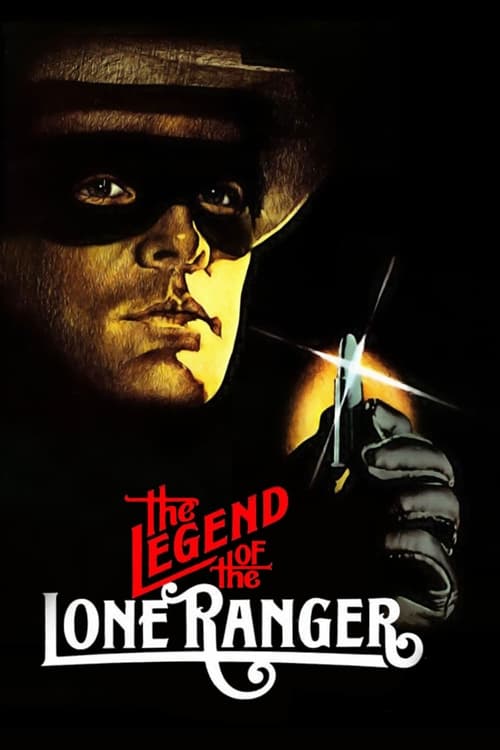
The Legend of the Lone Ranger
1981
No user ratings available yet
Representation score: 1.1 out of 10
Representation Score
Minimal
1958
NRDirector
Lesley Selander
Runtime
81 minutes
Average Rating
No ratings yetNew Showbiz Analysis
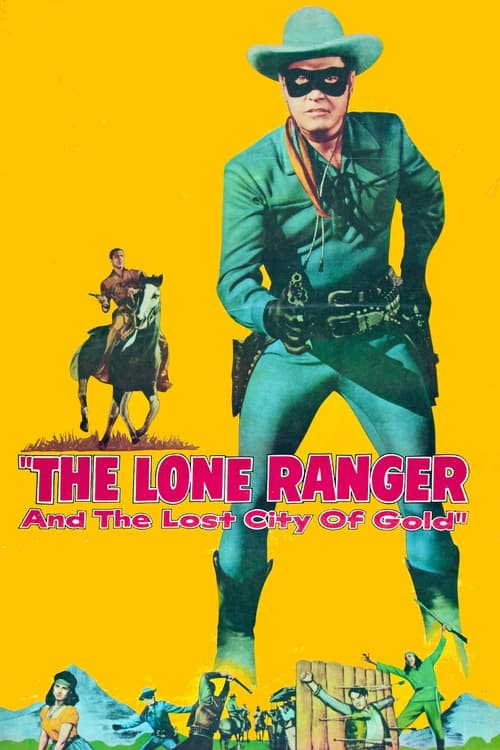
This 1958 adventure serial is a quintessential product of mid-20th-century Western traditions. It prioritizes clear-cut moral binaries and established genre clichés over social complexity. The narrative structure upholds existing social hierarchies rather than disrupting them. While the inclusion of a non-white lead in Tonto was a departure from the era's typical homogeneity, the character remains tied to the period's sidekick conventions. The film lacks meaningful engagement with diverse identities, focusing instead on masculine leadership and enforcing frontier justice.
Category Breakdown
The film operates within a framework that assumes everyone is straight or cisgender. There are no depictions of queer identities or subtext suggesting non-cisgender characters.
Male characters play a central role in driving the story, while female characters are limited and serve primarily as supporting figures rather than active drivers of the plot.
Tonto provides a visible presence of color as a central lead. However, the character adheres to the era's sidekick cliché and does not challenge colonialist frameworks.
The story celebrates classic frontier values and emphasizes law enforcement, property protection, and social order.
The cast is presented through a lens of physical capability required for action. There are no depictions of physical, sensory, or neurodivergent characters.
Present on Screen
Limited or Absent
Official Synopsis
Three Indians were brutally murdered by a gang of hooded outlaws. Each one possessed a silver medallion, which were sections cut off from a large silver plaque which served as a treasure map to a secret location where a large amount of gold is reputedly stashed. Two more medallions are unaccounted for, and the The Lone Ranger and his friend Tonto must use all their resources to intercept the gang, prevent further carnage and save the owners of the medallions.
1981
1962
1931
1969

1934
1973
1934
1951
No reviews yet. Be the first to share your thoughts on this movie!
Use the rating form above to leave a star rating and optional review.