The Case of the Missing Man
1935
No user ratings available yet
Representation score: 0.4 out of 10
Representation Score
Minimal
1933
Director
Bernard Vorhaus
Runtime
65 minutes
Average Rating
No ratings yetNew Showbiz Analysis
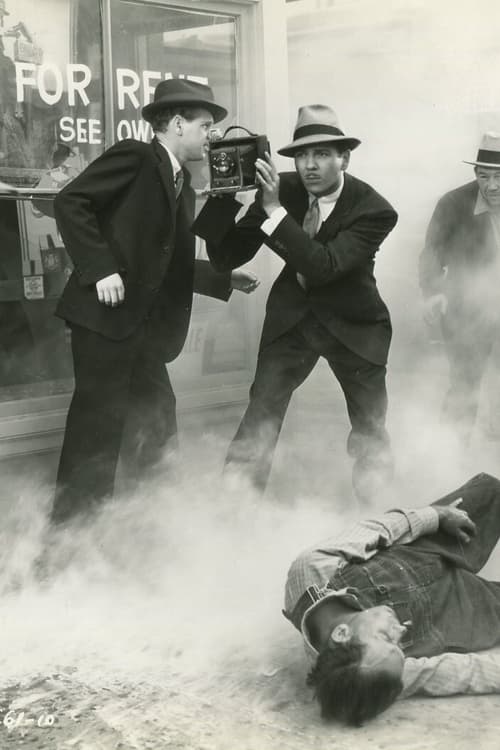
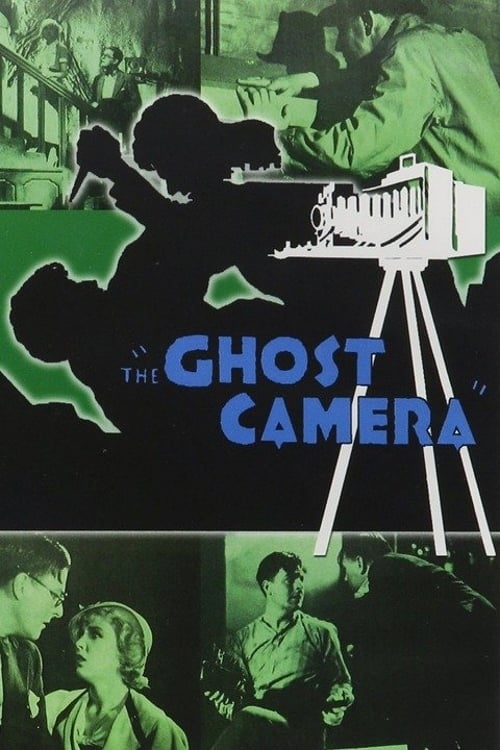
The Ghost Camera is a period-specific genre hybrid that emphasizes mystery and individual action over social complexity. Its narrative structure centers on a male chemist's scientific investigation, maintaining a focus on traditional investigative themes. Representation is limited by the era's standards, leading to a uniform cast and a reliance on conventional gender hierarchies. The film operates as a straightforward thriller without offering diverse perspectives or cultural subversion. Ultimately, it reflects the standard demographic and social compositions of early 1930s Western cinema.
Category Breakdown
The film does not include any characters with non-binary gender identities or same-sex relationships. It follows traditional romantic and social structures from the 1930s.
The story revolves around a male character named John Gray. A woman plays a key role in the mystery but mainly serves to trigger the male lead's investigation.
The setting seems uniform, focusing on a castle and a laboratory. There is no indication of a multi-ethnic cast or diverse demographic representation.
The narrative depends on traditional Western institutions such as science and the legal system. It does not offer any significant cultural critique or anti-establishment sentiments.
There are no characters with visible or invisible disabilities mentioned in the film’s storyline.
Present on Screen
Limited or Absent
Official Synopsis
When a photograph is taken at the scene of a murder, the camera is tossed out of a castle window to destroy the evidence and lands in the back of a passing car belonging to chemist John Gray who becomes amateur sleuth after developing the film and goes in search of the woman captured by the photograph. When the camera is stolen from his laboratory, Gray's suspicions are further aroused.
1935
1924
1937

1930
1947
1934
1937
1941
No reviews yet. Be the first to share your thoughts on this movie!
Use the rating form above to leave a star rating and optional review.