The Girl
2012
No user ratings available yet
Representation score: 5.6 out of 10
Representation Score
Limited
2012
PG-13Director
Sacha Gervasi
Runtime
98 minutes
Average Rating
No ratings yetNew Showbiz Analysis
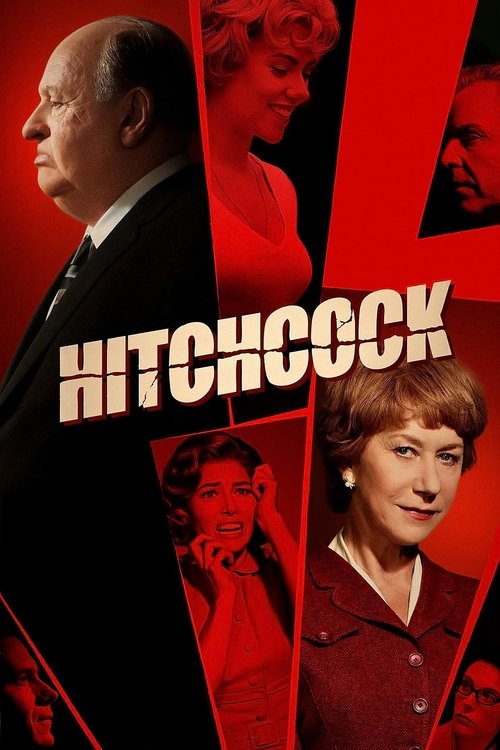
Hitchcock (2012) is a period-accurate biographical study that prioritizes historical realism over broad demographic representation. Its primary strength lies in its refusal to present a sanitized, idealized view of a legendary director, instead focusing on his internal complexities and psychological struggles. The film succeeds in elevating the role of Alma Reville, presenting her as a creative peer. This disrupts traditional gender hierarchies of the era, even as the broader social framework remains historically homogeneous and lacks racial or LGBTQ+ diversity. Ultimately, the film functions as a character study of obsession. While it lacks representation of disability or diverse identities, it avoids traditional stereotypes by highlighting the intellectual ability to act of its female lead and the instability of its protagonist.
Category Breakdown
The film focuses solely on the heterosexual and cisgender domestic and professional life of Alfred Hitchcock. There are no identifiable LGBTQ+ characters or non-cisgender identities in the main storyline.
Alma Reville is portrayed as an important intellectual collaborator rather than a passive figure. The narrative gives her significant influence, challenging the stereotype of the passive wife.
The setting reflects the predominantly white, Anglo-Saxon professional environment of the mid-20th-century Hollywood studio system. The film prioritizes historical accuracy over current racial diversity.
The story examines the tension between individual obsession and the strict Hollywood studio system. It offers a nuanced view of marriage through psychological tension rather than sentimentality.
Psychological instability is explored through Hitchcock's personality and professional obsession. However, the film lacks a formal exploration of neurodivergence or specific representation of disabilities.
Present on Screen
Limited or Absent
Official Synopsis
Following his great success with "North by Northwest," director Alfred Hitchcock makes a daring choice for his next project: an adaptation of Robert Bloch's novel "Psycho." When the studio refuses to back the picture, Hitchcock decides to pay for it himself in exchange for a percentage of the profits. His wife, Alma Reville, has serious reservations about the film but supports him nonetheless. Still, the production strains the couple's marriage.
2012
1963

2004
1965

2014
1957
2014
1954
No reviews yet. Be the first to share your thoughts on this movie!
Use the rating form above to leave a star rating and optional review.