Albert Nobbs
2011
No user ratings available yet
Representation score: 6.4 out of 10
Representation Score
Good
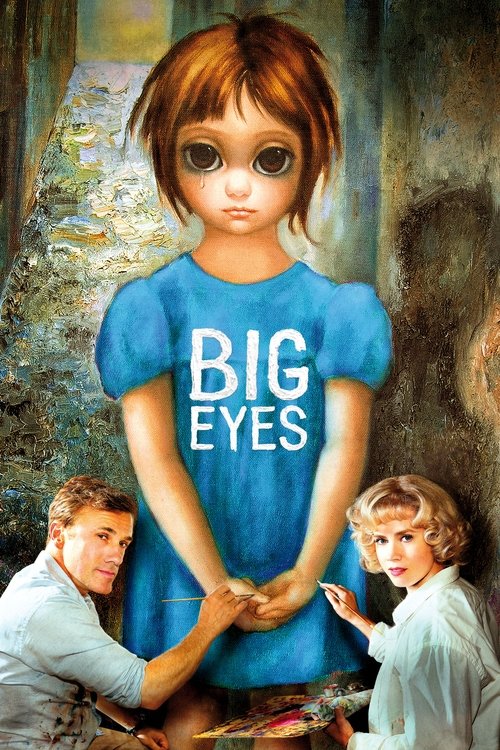
2014
PG-13Director
Tim Burton
Runtime
106 minutes
Average Rating
No ratings yetNew Showbiz Analysis
Big Eyes is a powerful exploration of gendered ability to act and the reclaiming of identity. It transforms a domestic drama into a sophisticated critique of how patriarchal structures commodify female creativity. However, the film's impact is limited by its narrow demographic focus. Set in a culturally homogenous environment, the narrative lacks representation for LGBTQ+ individuals or people with disabilities. Ultimately, the film's strength lies in its subversion of mid-century social norms, even if it remains confined to a specific racial and social milieu.
Category Breakdown
The film does not feature any LGBTQ+ characters or narratives. It focuses solely on a heterosexual marriage and its internal power dynamics.
Margaret Keane’s journey from a suppressed wife to an autonomous artist challenges traditional patriarchal hierarchies. The film dismantles the submissive female archetype by revealing the male protagonist's deceptive authority.
Set in a predominantly white mid-century American context, the film reflects the era's lack of racial diversity. It focuses on gender and class rather than multi-layered racial dynamics.
The narrative critiques capitalist exploitation and the corruption of Western commercial art markets. It examines how marriage and legal systems can be used to silence underrepresented voices.
There are no prominent depictions of physical or neurodivergent disabilities. While the film explores psychological themes like gaslighting, these do not fall under disability representation.
Present on Screen
Limited or Absent
Official Synopsis
In the late 1950s and early '60s, artist Walter Keane achieves unbelievable fame and success with portraits of saucer-eyed waifs. However, no one realizes that his wife, Margaret, is the real painter behind the brush. Although Margaret is horrified to learn that Walter is passing off her work as his own, she is too meek to protest too loudly. It isn't until the Keanes' marriage comes to an end and a lawsuit follows that the truth finally comes to light.
2011
2006
2014
1945
2015

2016
2015
1993
No reviews yet. Be the first to share your thoughts on this movie!
Use the rating form above to leave a star rating and optional review.