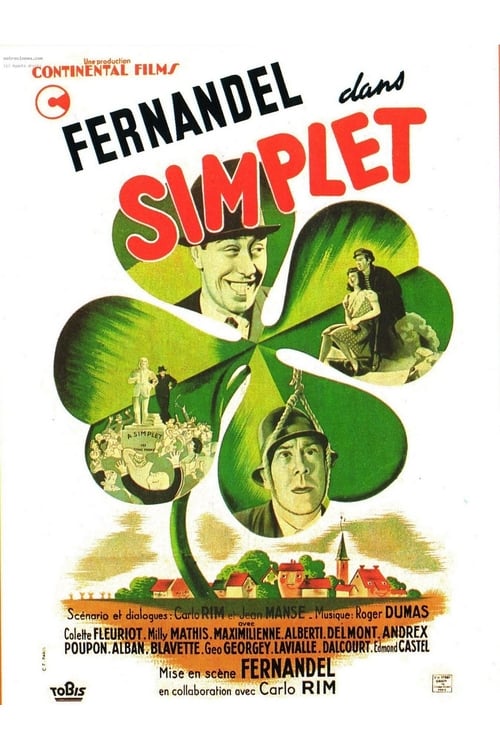
Simple-Minded
1942
No user ratings available yet
Diversity score: 2.4 out of 10
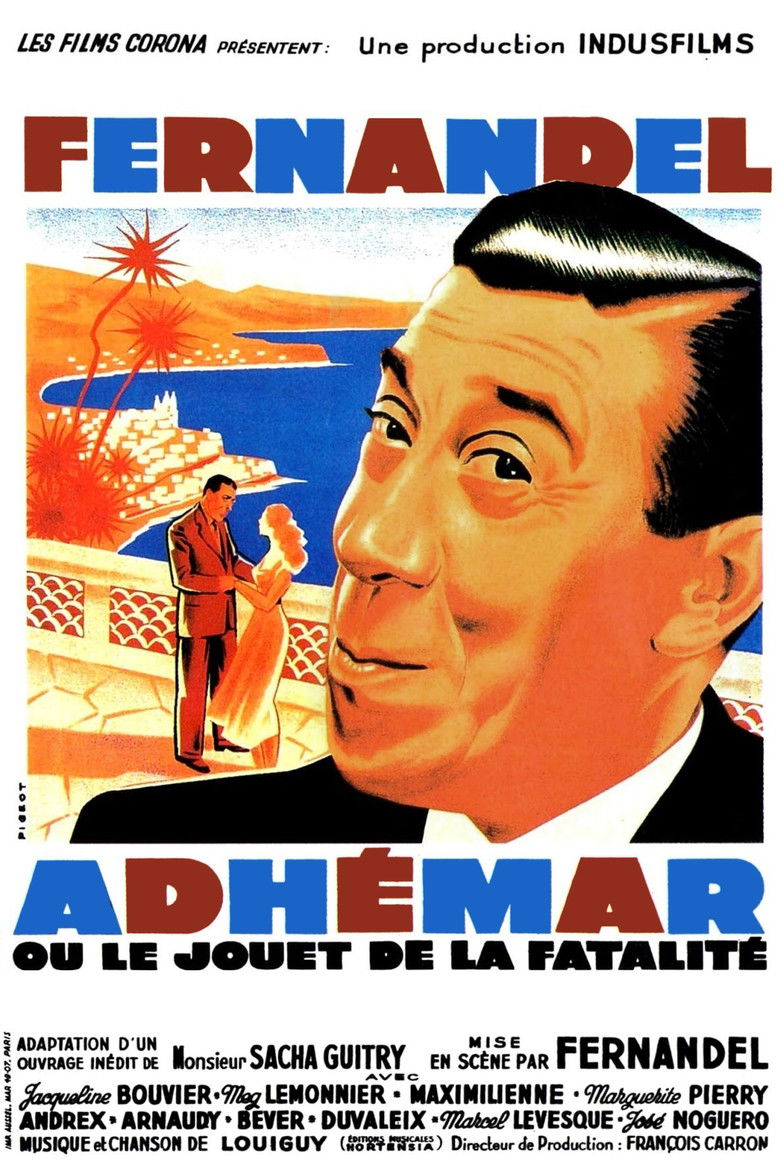
1951
Director
Fernandel
Runtime
89 minutes
Average Rating
No ratings yetSynopsis
Is it because his father was a groom that Adhémar Pomme has a long horse head and a horse- toothed smile? Maybe but the fact is that his head has invariably caused laughter whatever the circumstances, which is the tragedy of his life. After having worked as an undertaker, a theater prompter, a casino bouncer, and so on, and failing at each job, he applies out of desperation to an institution where those rejected for physical reasons can hide and live together. But Adhémar immediately starts... laughing at them and gets kicked out as a result! In the end though, he finds his way as a circus artist.
Overall Score
Limited
Category Breakdown
LGBTQ+ Representation
The film lacks LGBTQ+ characters or explorations of non-heteronormative identities. It operates within conventional 1950s social frameworks, focusing on situational comedy rather than sexual orientation.
Gender Representation
Character dynamics center on the male protagonist, with female roles serving as supporting elements. The film reinforces standard comedic archetypes and traditional gender hierarchies of the era.
Racial & Ethnic Diversity
The film presents a homogeneous social environment typical of early 1950s French cinema. There is a lack of visible racial or ethnic diversity within the cast.
Religious & Cultural Diversity
The narrative follows a standard trajectory of social integration without engaging in critiques of Western institutions or religion. It maintains the conventional social mores of its time.
Disability Representation
Adhémar’s horse-like facial structure drives the plot and slapstick humor. While he finds agency as a circus artist, the portrayal lacks nuanced empowerment regarding physical difference.
Strengths
Areas for Improvement
AI Analysis
Adhémar or the Toy of Destiny is a classic mid-century farce that prioritizes physical comedy over social commentary. The narrative is built around the protagonist's unique physical appearance, using it as a catalyst for slapstick mishaps and professional struggles. The film functions as a traditional entertainment piece that reinforces the social and cultural hierarchies of 1950s France. It lacks intersectional complexity, focusing instead on situational humor and the protagonist's journey toward social integration. While the central character finds a niche in the circus, the work remains firmly within the traditionalist spectrum of its era, offering little representation of marginalized identities or systemic critique.
1942
1983
1987
1964

1922

1914

1960
1932
1958
1939
1960
1995
No reviews yet. Be the first to share your thoughts on this movie!
Use the rating form above to leave a star rating and optional review.