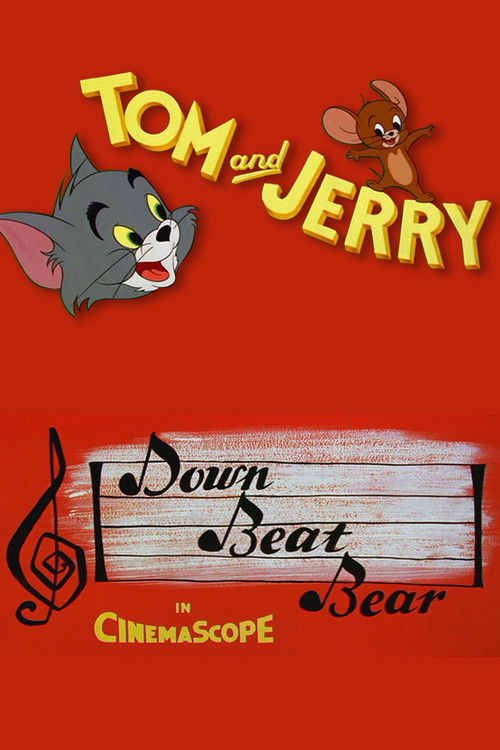
Down Beat Bear
1956
No user ratings available yet
Representation score: 2.5 out of 10
Representation Score
Minimal
1964
GDirector
Joseph Barbera, William Hanna
Runtime
89 minutes
Average Rating
No ratings yetNew Showbiz Analysis
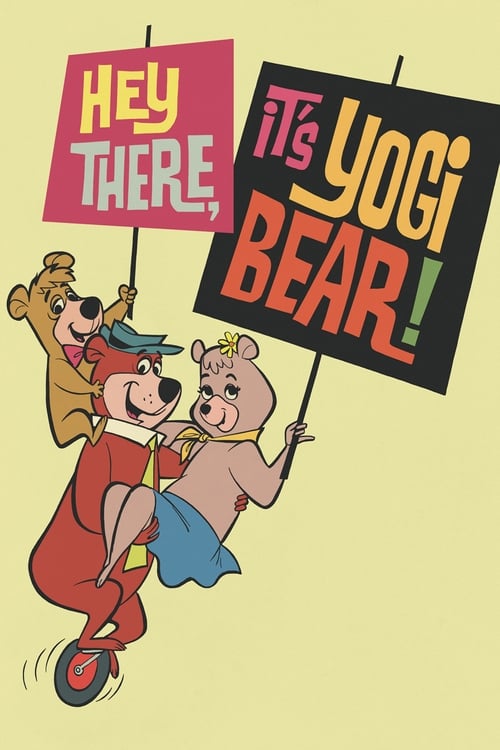
This 1964 animated short functions as a traditional comedic piece that upholds mid-century storytelling conventions. The narrative structure centers around established hierarchies, positioning the male protagonist as the active agent while the female character remains vulnerable. Despite Yogi Bear's minor disruptions to institutional order, the film does not provide a deeper critique of social structures. The setting and character dynamics reflect a standard, homogeneous pastoral ideal. Ultimately, the work prioritizes formulaic entertainment over diverse representation, adhering strictly to the conventional archetypes of its time.
Category Breakdown
The film does not depict any non-binary gender identities or same-sex relationships. The characters adhere to traditional gender roles, particularly in the rescue scenario involving Cindy Bear.
The storyline emphasizes traditional gender roles, with Yogi Bear acting as the active hero. Cindy Bear is portrayed as a passive character who lacks the ability to navigate her own situation within the plot.
The cast includes anthropomorphic animals and human authority figures in a homogeneous setting. There is no indication of racial or ethnic diversity among the characters.
The conflict in the film is presented through slapstick comedy, focusing on Yogi Bear's antics against Ranger Smith's authority. This is not critiqued as a systemic issue but rather as a light-hearted clash.
There are no visible or hidden disabilities shown within the main cast or central character arcs.
Present on Screen
Limited or Absent
Official Synopsis
Following a misunderstanding about Yogi Bear’s whereabouts, Cindy Bear ends up in captivity at a Missouri circus. It’s now up to Yogi and his friend, Boo-Boo, to save her.
1956
1987
1953

1977
1961
2010
1952
1970
No reviews yet. Be the first to share your thoughts on this movie!
Use the rating form above to leave a star rating and optional review.