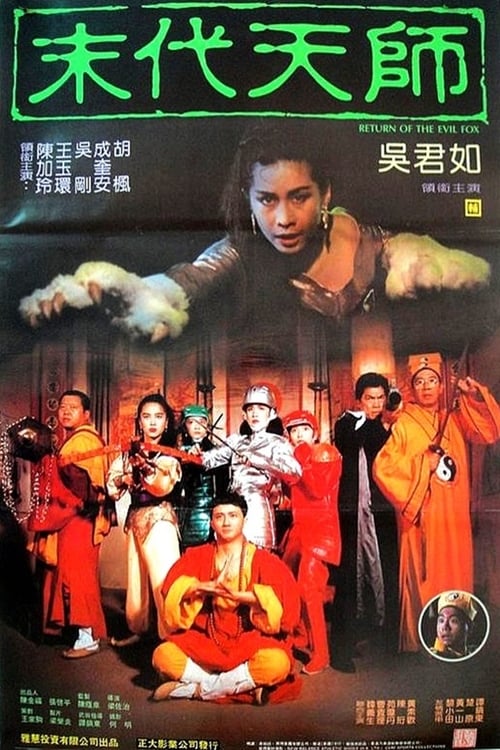
Return of the Evil Fox
1991
No user ratings available yet
Representation score: 5.5 out of 10

Representation Score
Excellent
1990
Director
Manfred Wong Man-Chun
Runtime
87 minutes
Average Rating
No ratings yetNew Showbiz Analysis
Manfred Wong Man-Chun employs a fragmented narrative style to explore the complexities of identity and post-colonialism. The film moves away from rigid social categories and Western-centric storytelling structures. The work effectively critiques capitalist development and the alienation caused by rapid urbanization. It presents identity as a fluid, psychological landscape rather than a set of fixed stereotypes. However, the film's focus on existential metaphors means that disability and neurodivergence are not represented through specific, character-driven stories. Instead, the emphasis is on psychological alienation.
Category Breakdown
The film challenges traditional views by exploring fluid sexual and gender identities. It highlights non-traditional relationships and emotional connections that go beyond typical heterosexual norms.
The film subverts traditional gender roles by focusing on the internal psychological struggles of its characters. It emphasizes individual emotional complexity over reinforcing patriarchal structures.
The story delves into the complexities of post-colonial identity, examining the tension between traditional Chinese heritage and British colonial influence. It critiques the impact of colonialism through the lens of the Hong Kong experience.
The narrative addresses anti-capitalist and post-colonial themes, highlighting the alienation caused by rapid urbanization and colonial modernity. It challenges Western-aligned norms through a fragmented view of identity.
The film touches on themes of alienation related to mental states but does not provide specific examples of neurodivergence or physical disabilities influencing character actions.
Present on Screen
Limited or Absent
Official Synopsis
The Little Princess and her bodyguard Jiang travel 200 years from the past to the present day, relentlessly pursued by the evil General Shea Hai, a vicious and seemingly indestructible demon who is after the princess' magic pearl.
1991

1991
1990

1987
1991

1986
1983

1987
No reviews yet. Be the first to share your thoughts on this movie!
Use the rating form above to leave a star rating and optional review.